Why Did the Supreme Court Reject Guidelines for Constitutional Functionaries' Statements?
Synopsis
The Supreme Court's recent refusal to entertain a plea for guidelines regulating statements by constitutional functionaries raises critical questions about freedom of speech and accountability. This decision emphasizes the need for fairness and restraint in political discourse while highlighting the complexities of upholding constitutional values in today's political climate.
Key Takeaways
The Supreme Court rejected a plea for guidelines on constitutional functionaries' statements.
The court emphasized the need for fairness in political discourse.
Petitioners argued that many public statements undermine constitutional values.
The court recommended focusing on constitutional principles in a revised petition.
Political leaders are urged to promote fraternity and restraint.
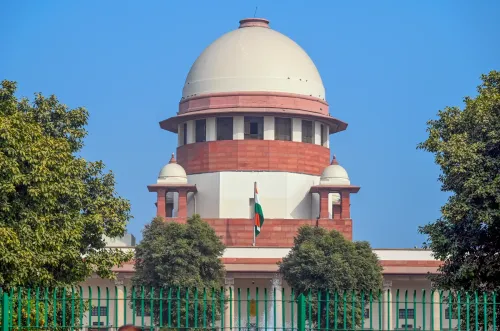
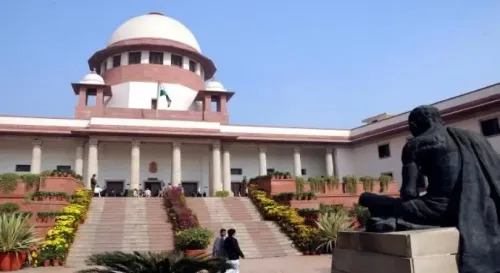
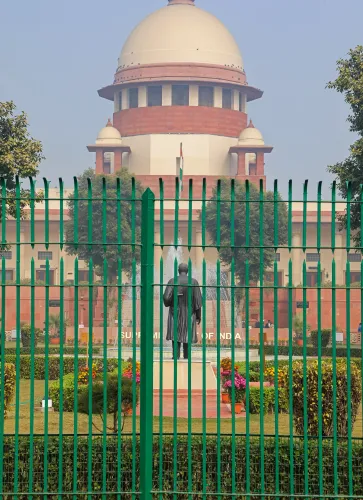
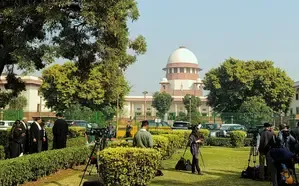
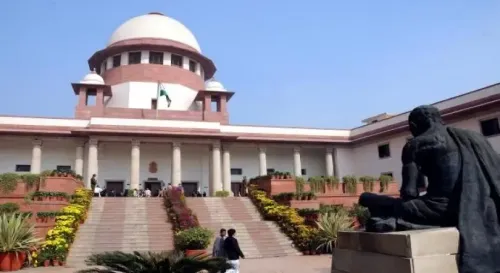
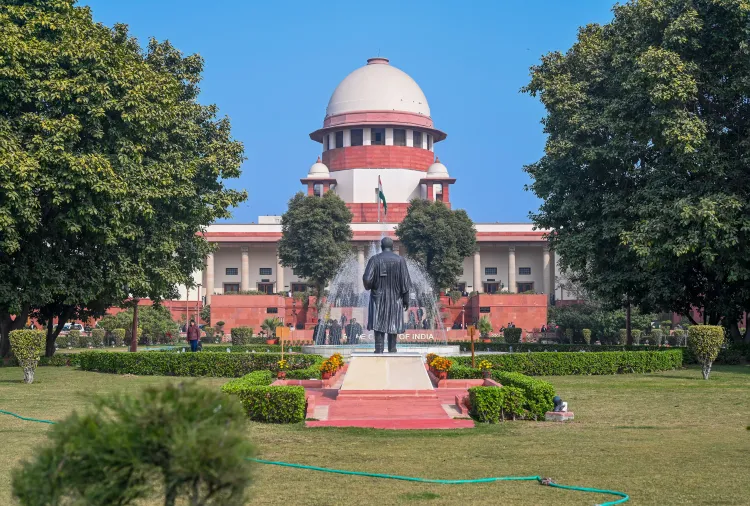
New Delhi, Feb 17 (NationPress) The Supreme Court on Tuesday refused to entertain a plea that aimed at establishing strict guidelines for managing the statements made by constitutional functionaries that do not align with constitutional morality.
A Bench led by Chief Justice of India (CJI) Surya Kant acknowledged the seriousness of the issue raised but noted that the petition, in its current state, seemed to target specific individuals.
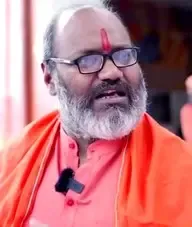
The plea highlighted comments linked to Assam Chief Minister Himanta Biswa Sarma, Uttarakhand Chief Minister Pushkar Singh Dhami, Uttar Pradesh Chief Minister Yogi Adityanath, BJP leader Nitesh Rane, and National Security Adviser Ajit Doval, among others, claiming that approximately 30 concerning public statements had been identified.
During the proceedings, senior advocate Kapil Sibal, representing the petitioners—a collective of former civil servants and scholars—argued for the necessity of immediate judicial intervention. "We need to do something. Only your lordships can intervene. This situation is becoming quite toxic. This petition is not directed at any individual," he stated.
However, the CJI-led Bench remarked that the petition had "selected certain individuals while conveniently ignoring others."
"This is not acceptable; fairness must prevail," it stated, emphasizing that the apex court could not consider a plea that appeared to be aimed at a particular party or individual.
When Sibal clarified that they were not seeking specific relief against CM Sarma and pledged to remove references to him, the CJI Kant-led Bench recommended withdrawing the current petition and submitting a new one that focuses exclusively on constitutional principles. "Let the petitioners avoid creating the impression that they are against a particular party or individual," the court advised.
The bench, which also included Justices B.V. Nagarathna and Joymalya Bagchi, underscored that political parties should promote fraternity and uphold constitutional morality.
"Political leaders must ultimately aim to foster fraternity in the nation," it noted, adding that "restraint should be exercised by all parties involved."
The CJI-led Bench raised a broader concern about whether any guidelines, even if established, would be adhered to.
"Thought must precede speech. How can we regulate thoughts?" it questioned.
In response, Sibal stated that while thoughts cannot be controlled, actions can have consequences, citing the Vishakha guidelines which were in effect until the anti-sexual harassment legislation was enacted.
Sibal indicated that certain speeches made before the announcement of the Model Code of Conduct (MCC) continue to circulate online even after elections are declared, leaving the Election Commission of India (ECI) often unable to act, as these statements predate the official declaration of elections.
The senior counsel urged the apex court to contemplate establishing guidelines for media and online platforms in such scenarios.
The CJI Surya Kant-led Bench acknowledged the petitioners as "eminent individuals" and recognized the gravity of the issues they raised.
"We are open to reviewing the petition. We hope that someone will approach us with objectivity and impartiality," the CJI remarked, while pointing out that the current petition was "poorly drafted."
The Supreme Court postponed the matter for two weeks to allow for the filing of a revised petition. Sibal assured the bench that a new plea, devoid of references to specific individuals and applicable to all political factions, would be submitted within a week.
The writ petition, lodged under Article 32 of the Constitution through advocate Fuzail Ahmad Ayyubi, argued that repeated discriminatory and derogatory statements by public officials undermine the fundamental values of the Constitution.
Recalling the debates from the Constituent Assembly, the petition cited Acharya J.B. Kripalani’s warning that the principles outlined in the Preamble were "not merely legal, constitutional, and formal principles, but moral principles" that must be embodied in political, administrative, and public life.
"More than seventy years later, we find ourselves in a political environment where the preambular principles remain on paper, yet the actions of administrators and constitutional functionaries often contradict their intent," the plea stated, adding that "actualizing the principles, as Acharya Kripalani would have advocated, has been lost both in thought and in practice."
The petition asserted that this deviation from constitutional morality has led to a series of concerning public statements from constitutional authorities and senior officials throughout the nation in recent years.
While recognizing that political actors may adhere to different ideologies, the petition emphasized that constitutional functionaries and public office holders are obligated by the Constitution to ensure fairness in their actions and restraint in their speech.
"Constitutional functionaries, public office holders, and government officials are mandated by the Constitution to ensure fairness in their actions. This implies that statements which are discriminatory or derogatory in nature, even if not classified as hate speech, should not be permissible from such individuals," it stressed.
Clarifying the sought relief, the petition underscored that it does not aim to restrict free speech or demand penal action for hate speech, which is subject to current legal frameworks.
"This petition does not seek to limit free speech or impose penalties for hate speech," it clarified, adding that the limited request is for the apex court to develop guidelines, whether through judicial scrutiny or a dialogic process, to ensure that public officials adhere to constitutional morality in their conduct and public discourse.
Point of View
I believe this Supreme Court ruling underscores the delicate balance between maintaining constitutional integrity and allowing for free expression. The necessity for accountability among public officials remains paramount, yet any framework must ensure it does not infringe upon fundamental rights. As a nation, we must navigate these complexities together.
NationPress
26 Sept 2026
Frequently Asked Questions
What was the Supreme Court's decision regarding the guidelines?
The Supreme Court declined to entertain a plea for strict guidelines to regulate statements made by constitutional functionaries, noting that the petition appeared to target specific individuals.
Who represented the petitioners in court?
Senior advocate Kapil Sibal represented the petitioners, who are a collective of former civil servants and academics.
What were the concerns raised by the petitioners?
The petitioners raised concerns about approximately 30 troubling public statements made by constitutional functionaries that contradict constitutional morality.
Why did the Supreme Court suggest withdrawing the petition?
The Supreme Court suggested withdrawing the petition as it seemed to selectively target certain individuals, which could create an impression of bias.
What does the petition seek regarding public officials' conduct?
The petition seeks the establishment of guidelines to ensure that public officials adhere to constitutional morality in their conduct and public discourse.