Tamil Nadu exempts law and order wing from RTI Act, curbs access to policing records

Synopsis
Tamil Nadu has shielded its entire law and order wing from routine RTI requests by designating it an intelligence and security organisation — blocking public access to records on protests, communal incidents, custodial deaths and even parliamentary question materials. With transparency advocates already alarmed, the real battle will be fought case-by-case at the State Information Commission.
Key Takeaways
The Tamil Nadu government has exempted its law and order wing from the RTI Act by designating it an intelligence and security organisation.
Restricted records include documents on police arrests, custodial deaths, communal clashes, public demonstrations and parliamentary question materials .
The exemption is grounded in Section 24(4) of the RTI Act, which allows states to notify such organisations.
Information on corruption allegations and human rights violations remains accessible, subject to State Information Commission approval.
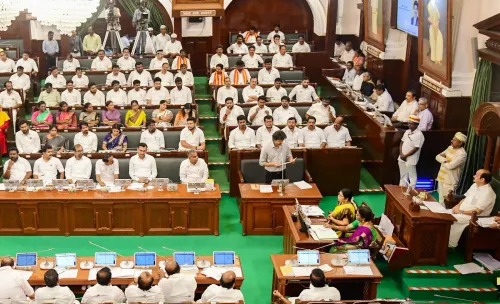
The notification must be tabled before the Tamil Nadu state legislature as required by law.
Transparency advocates warn the scope is unusually wide, potentially shielding routine administrative records behind an intelligence classification.
The Tamil Nadu government has issued an official order exempting the law and order wing of its Public Department from the Right to Information (RTI) Act, significantly restricting public access to a wide range of records covering policing, protests, custodial matters, and internal security. The move, effective from 27 September 2026, designates the wing as an organisation engaged in intelligence and security work — a classification that provides a statutory basis for rejecting routine RTI requests.
What Records Are Now Out of Reach
The exemption covers a sweeping range of documents previously accessible under the RTI framework. These include papers related to the appointment of commissions of inquiry into law and order incidents, communal and caste clashes, police arrests and custody, and deaths of prisoners. Records of police investigation reports received by the department also fall under the restriction.
Additionally, minutes and materials from monthly law and order review meetings held on the Chief Secretary's instructions — as well as special meetings convened to handle specific situations of unrest — are now shielded. Even records prepared for answering law and order questions in the Lok Sabha and Rajya Sabha are covered, as are documents relating to demonstrations by students, farmers and political party workers, and allegedly defamatory articles, news clippings and speeches scrutinised by the wing.
Legal Basis and Stated Justification
The Tamil Nadu government's stated position is that information relating to law and order cannot be made available to the public without restriction. Under Section 24(4) of the RTI Act, a state government is permitted to exempt an intelligence or security organisation through a gazette notification. The wing's redesignation as an intelligence and security body provides the legal basis for the blanket exemption. Crucially, the notification must be laid before the state legislature as required by law.
Key Safeguards That Remain
Notably, the exemption is not absolute. The RTI Act's own provisions carve out two critical exceptions: information pertaining to allegations of corruption, and records concerning human rights violations, cannot be withheld on the basis of this exemption alone. RTI requests involving alleged human rights violations will require the State Information Commission's approval and must be addressed within the statutory timeframe.
This means applicants seeking information about custodial deaths or police misconduct may still invoke the human rights provisions of the Act — though they will face additional procedural hurdles. The scope and application of the notification are therefore likely to become contested terrain as individual cases are decided.
Concerns and Wider Context
The decision has drawn scrutiny from transparency advocates, who argue that the law and order wing's work — particularly its oversight of public protests, communal incidents and custody — is precisely the kind of government activity that demands public accountability. Critics argue that classifying a broad administrative wing as an intelligence body risks conflating routine policing paperwork with genuinely sensitive security intelligence.
This is not the first time a state government has used Section 24 exemptions to limit RTI access to law enforcement-related records. Several other states have previously notified police intelligence units under similar provisions, though the scope of Tamil Nadu's order — extending to parliamentary question materials and records of public demonstrations — is considered notably wide by transparency practitioners.
The practical effect will ultimately hinge on how individual RTI officers within the wing interpret and apply the order, and whether the State Information Commission takes a narrow or expansive view of what constitutes a human rights violation when disputed requests come before it.
Point of View
Communal incidents and parliamentary replies from routine RTI scrutiny does not serve national security; it serves administrative opacity. The human rights and corruption carve-outs remain on paper, but adding a mandatory State Information Commission layer creates a chilling effect on ordinary citizens. Tamil Nadu has a track record of relatively transparent governance, which makes this rollback more striking. The legislature's scrutiny of this notification, when it is tabled, will be a test of whether the exemption's unusually wide scope survives democratic oversight.
NationPress
27 Sept 2026
Frequently Asked Questions
What has Tamil Nadu's government done regarding the RTI Act?
The Tamil Nadu government has issued a notification exempting the law and order wing of its Public Department from the Right to Information Act, designating it an intelligence and security organisation. This means routine RTI applications for a wide range of policing and security records will no longer be entertained.
What records are now exempt from RTI access in Tamil Nadu?
The exempted records include files on police arrests and custody, custodial deaths, communal and caste clashes, commissions of inquiry into law and order incidents, police investigation reports, law and order review meeting minutes, materials prepared for parliamentary questions, and records related to protests by students, farmers and political workers.
Are there any exceptions to Tamil Nadu's RTI exemption for the law and order wing?
Yes. Under the RTI Act, information related to allegations of corruption or human rights violations cannot be withheld even under Section 24 exemptions. However, RTI requests involving alleged human rights violations require the State Information Commission's prior approval and must be answered within the statutory deadline.
Why are transparency advocates concerned about this move?
Critics argue that the law and order wing handles inherently public-interest matters — from communal violence to custodial deaths — and that classifying broad administrative records as intelligence information goes beyond the intent of Section 24. They warn it could make accountability for police conduct significantly harder to pursue.
How does Section 24(4) of the RTI Act apply here?
Section 24(4) allows a state government to exempt an organisation engaged in intelligence or security work from the RTI Act by issuing a gazette notification. The Tamil Nadu government has used this provision to reclassify its law and order wing accordingly. The notification must also be laid before the state legislature.