How are the Telangana Cyber Security Bureau and Tollywood Fighting Film Piracy?
Synopsis
The Telangana Cyber Security Bureau and the Telugu Film Chamber of Commerce have united to combat digital film piracy through a new MoU. This partnership aims to create a coordinated strategy to protect the Telugu film industry from the threats of piracy, enhancing legal actions and real-time monitoring.
Key Takeaways
Collaboration for Anti-Piracy: TGCSB and TFCC are joining forces to combat digital piracy.
Real-Time Monitoring: A structured framework for real-time intelligence sharing will be established.
Legal Action: The MoU will facilitate rapid legal responses to piracy violations.
Technology Utilization: Advanced technology will be employed to identify and take down pirated content.
Awareness Campaigns: Joint initiatives will educate the public about the importance of protecting intellectual property.
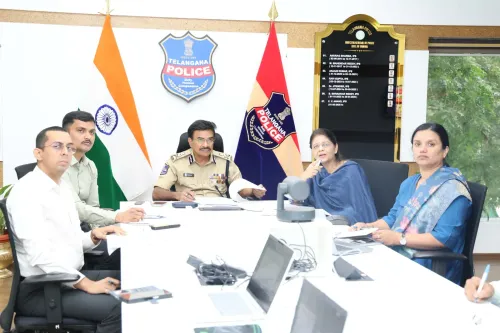
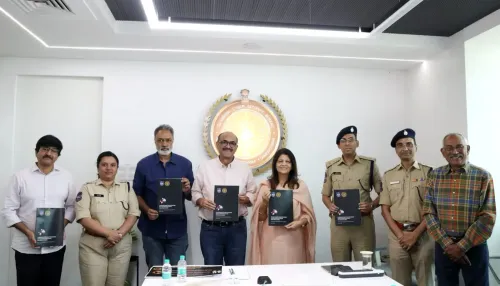
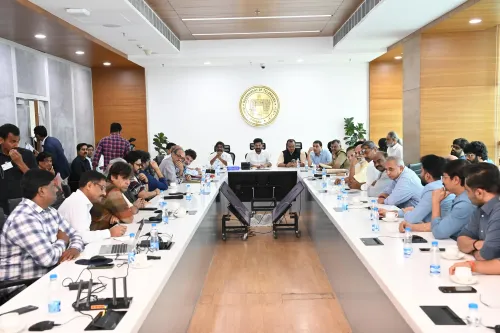
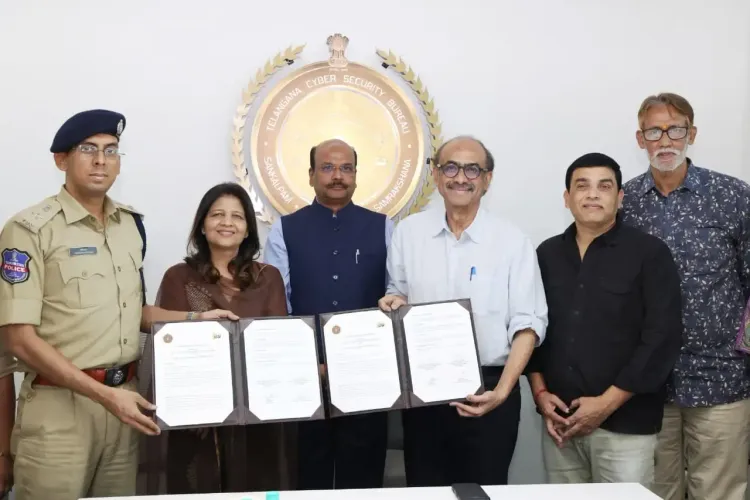
Hyderabad, Jan 5 (NationPress) The Telangana Cyber Security Bureau (TGCSB) and the Telugu Film Chamber of Commerce (TFCC) have officially entered into a Memorandum of Understanding (MoU) to enhance efforts against the rampant issue of digital film piracy.
The two organizations have committed to creating a comprehensive, technology-oriented, and unified approach to tackle digital film piracy and online copyright infringements, which have severely impacted the Telugu film industry.
The MoU was executed by Shikha Goel, Director of the Telangana Cyber Security Bureau, and Daggubati Suresh Babu, President of the Telugu Film Chamber of Commerce, with B. Shivadhar Reddy, Director General of Police, Telangana, witnessing the event.
As stated by TGCSB, this partnership aims to confront the escalating urgency of digital piracy, which is now rampant across websites, social media, messaging groups, IPTV streams, mobile apps, and camcording networks, often appearing within minutes of a film's premiere.
This MoU establishes a framework for immediate intelligence sharing, prompt escalation, swift takedowns, and coordinated legal measures against organized piracy syndicates.
Under the terms of the MoU, TGCSB and TFCC will collaboratively monitor and share intelligence on piracy operations and infringing digital platforms, deploy TFCC anti-piracy agents within the TGCSB Integrated Command & Control Centre (ICCC) for seamless collaboration with cybercrime investigators, and take rapid legal action on validated complaints and digital evidence, with TGCSB serving as the primary supervisory body.
They will also expedite takedown and blocking processes for pirated content via collaboration with intermediaries, ISPs, OTT platforms, social media firms, and app stores, utilizing technology solutions such as automated crawlers, analytics, and content identification tools, alongside joint awareness campaigns aimed at educating stakeholders and the public about the ramifications of piracy and the significance of protecting intellectual property.
The MoU also includes provisions for regular review meetings, coordinated efforts during significant film launches, and the establishment of standard operating procedures for piracy-related cybercrime investigations.
In his remarks, Shivadhar Reddy remarked that digital piracy has transformed into a structured cybercrime network necessitating ongoing collaboration between law enforcement and industry players. He emphasized that this MoU signifies a pivotal advancement in formalizing anti-piracy enforcement and safeguarding both creative and economic interests.
Shikha Goel highlighted that digital piracy is one of the most urgent and rapidly evolving types of cybercrime, where even slight delays can lead to substantial and irreversible damages for filmmakers and rights holders.
Daggubati Suresh Babu noted that the Telangana government has been a leader in combating digital piracy, citing recent successful actions against significant piracy rings like Tamil-blasters and iBomma, which demonstrate the Telangana Police's unwavering commitment to the film sector.
He reiterated that the Telugu film industry is unique in India for having a dedicated Anti-Piracy Cell for more than 15 years, and today's MoU between the Telangana Cyber Security Bureau and the Telugu Film Chamber of Commerce is yet another groundbreaking initiative in the fight against digital piracy.
Point of View
This collaboration between the Telangana Cyber Security Bureau and the Telugu Film Chamber of Commerce is a commendable step towards addressing the growing threat of digital piracy. It reflects a broader commitment to protect intellectual property rights in India, emphasizing the need for collaborative efforts among government agencies and industry stakeholders. Such initiatives are essential for maintaining the integrity of creative works and fostering a healthy entertainment ecosystem.
NationPress
21 Sept 2026
Frequently Asked Questions
What is the purpose of the MoU signed between TGCSB and TFCC?
The MoU aims to strengthen actions against digital film piracy and establish a coordinated framework to protect the Telugu film industry from online copyright violations.
How will the collaboration combat digital piracy?
The collaboration will focus on real-time monitoring and intelligence sharing, legal actions against verified complaints, and swift takedowns of pirated content.
What technology will be used to fight piracy?
The partnership will utilize technology tools such as automated crawlers, analytics, and content identification mechanisms to detect and block pirated content.
Why is this initiative significant for the film industry?
This initiative is crucial as it addresses the escalating threat of digital piracy, which can lead to significant financial losses for filmmakers.
How has the Telangana government contributed to anti-piracy efforts?
The Telangana government has been proactive in fighting digital piracy, demonstrated by recent crackdowns on major piracy syndicates and the establishment of a dedicated Anti-Piracy Cell.