Census 2027: Telangana CM Revanth Reddy Completes Self-Enumeration

Synopsis
Telangana CM Revanth Reddy kick-started India's first fully digital Census 2027 by registering online — a historic moment as it is also Telangana's first Census as a separate state. With caste enumeration included and a 16-year data gap to fill, this Census could reshape fund allocations and political constituencies for a generation.
Key Takeaways
Revanth Reddy completed Census 2027 self-enumeration online on Sunday, April 27 , marking the formal launch of the exercise in Hyderabad.
The self-enumeration phase runs from April 27 to May 10, 2025 , covering GHMC, Cyberabad, and Malkajgiri Municipal Corporations as a single census unit.
Residents can register at www.se.census.gov.in daily between 6 a.m. and 12 midnight — no documents required; process takes 15 to 20 minutes .
The portal contains 33 questions on housing, amenities, and assets; a toll-free helpline 1855 is available from 10 a.m. to 6 p.m.
Census 2027 is India's first fully digital Census , Telangana's first as a separate state , and will include caste enumeration for the first time since 1931.
The House Listing Operation (HLO) with door-to-door visits will follow from May 11 to June 9, 2025 .
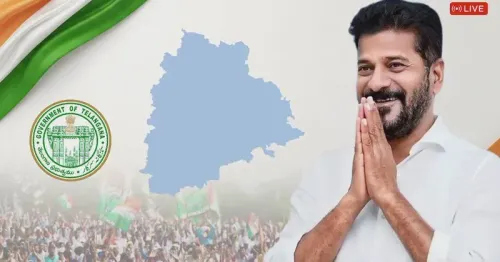
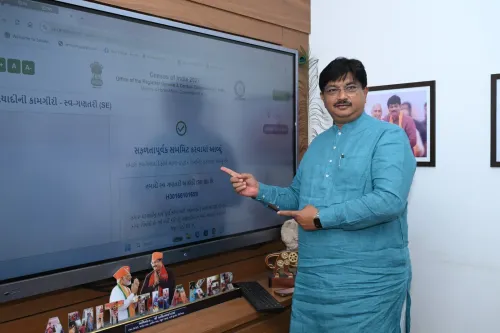
Telangana Chief Minister A. Revanth Reddy on Sunday, April 27, formally participated in the Census 2027 self-enumeration exercise, registering his household details through the official government portal www.se.census.gov.in — marking the launch of what will be India's first fully digital Census. The initiative also holds special significance as it is Telangana's first Census as an independent state, and will include caste enumeration for the first time.
Self-Enumeration Phase Kicks Off in Hyderabad's Core Urban Region
The self-enumeration phase of Census 2027 commenced on Sunday across Telangana's Core Urban Region (CURE) and will remain open until May 10, 2025. The coverage area has been designated as a single census unit comprising three major municipal bodies: Greater Hyderabad Municipal Corporation (GHMC), Cyberabad Municipal Corporation, and Malkajgiri Municipal Corporation.
Residents within this urban belt can voluntarily submit their household information online through the official portal. The process is designed to be accessible — no documents are required, login is available daily between 6 a.m. and 12 midnight, and the entire exercise is estimated to take just 15 to 20 minutes.
Upon successful submission, each household will receive a unique Self-Enumeration ID (SE ID), which must be presented to enumerators during subsequent door-to-door verification visits scheduled from May 11 to June 9 under the House Listing Operation (HLO).
What the Government and Officials Said
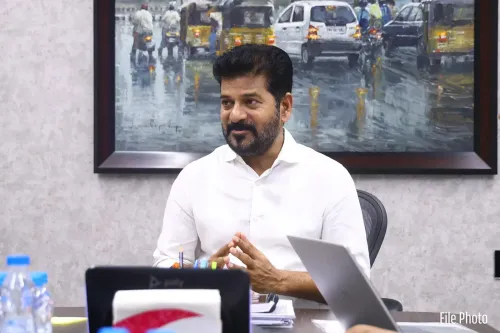
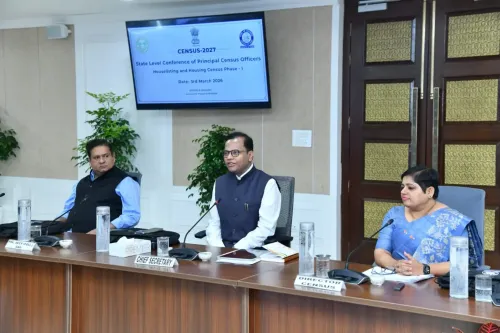
Director of Census Operations for Telangana, Bharathi Hollikeri, briefed Chief Minister Revanth Reddy on the procedures and broader significance of self-enumeration during the launch event. She confirmed that the online portal contains 33 structured questions covering housing conditions, household amenities, and asset ownership.
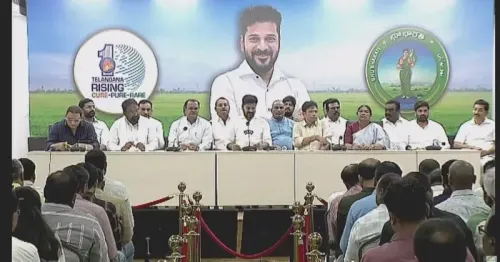
A dedicated toll-free helpline — 1855 — has been activated to assist residents, operational from 10 a.m. to 6 p.m. daily during the enumeration phase. Senior officials present at the launch included GHMC Commissioner R.V. Karnan, Joint Principal Census Officer Priyanka Ala, and Information and Public Relations Commissioner Chekka Priyanka.
GHMC Launches 15-Day Awareness Campaign
GHMC has announced a dedicated public outreach initiative titled Self Enumeration Mahotsav — 15 Days, themed around the message Do it Yourself — No Waiting for Enumerator. The campaign aims to drive voluntary participation and reduce the burden on field enumerators during the subsequent door-to-door phase.
Chief Minister Revanth Reddy urged all Telangana residents to proactively participate in the census process, stressing that public participation is essential for accurate data collection, which directly informs government planning, infrastructure development, and welfare scheme targeting.
Why Census 2027 Is Historically Significant for Telangana
This Census carries layered significance. India's last Census was conducted in 2011 — making the upcoming 2027 exercise a 16-year gap, the longest in independent India's history. The 2021 Census was indefinitely postponed due to the COVID-19 pandemic, leaving critical national data outdated across sectors including health, education, housing, and labour.
For Telangana, which was carved out of undivided Andhra Pradesh in June 2014, this marks the first Census as a standalone state — meaning it will produce the first independent demographic baseline for the state. This data will be pivotal in determining Telangana's share in central government fund allocations, delimitation of constituencies, and targeted welfare delivery.
The inclusion of caste enumeration in Census 2027 is politically and socially significant. Caste-based data has not been officially published since the 1931 British-era Census, and its inclusion has been a long-standing demand from OBC communities, political parties, and social justice advocates across India.
Impact on Citizens and What Comes Next
For residents of Greater Hyderabad, the self-enumeration window represents a direct opportunity to shape how their community is counted and resourced. Accurate census data determines the allocation of funds under schemes such as urban housing grants, smart city investments, and public health infrastructure.
After the online self-enumeration phase closes on May 10, field enumerators will conduct the House Listing Operation (HLO) from May 11 to June 9, which will include door-to-door visits and physical wall markings — a traditional census practice now complemented by digital verification through the SE ID system.
With India's first fully digital Census now formally underway in Hyderabad, the success of the self-enumeration model in the city's core urban region will likely set the benchmark for its rollout across the rest of the country in the coming months.
Point of View
One that will reorder welfare politics, reservation debates, and constituency boundaries for decades. Telangana's participation as a first-time standalone state adds another layer: this is the moment the state gets its first true demographic identity. The real test, however, is whether digital access and public trust are strong enough to ensure the marginalized — not just tech-savvy urban dwellers — are counted accurately.
NationPress
19 Sept 2026
Frequently Asked Questions
How can I register for Census 2027 self-enumeration in Telangana?
Residents can register on the official portal www.se.census.gov.in between 6 a.m. and 12 midnight daily until May 10, 2025. No documents are required and the process takes approximately 15 to 20 minutes.
What is the Census 2027 Self-Enumeration ID (SE ID)?
After completing online registration, every household receives a unique Self-Enumeration ID (SE ID). This ID must be shared with census enumerators during their door-to-door verification visits scheduled from May 11 to June 9.
Why is Census 2027 significant for Telangana?
Census 2027 is Telangana's first Census as a separate state since its formation in 2014, providing the first independent demographic baseline for the state. It will also include caste enumeration and is India's first fully digital Census.
Which areas of Hyderabad are covered under the Census 2027 self-enumeration phase?
The self-enumeration phase covers Telangana's Core Urban Region (CURE), which includes GHMC, Cyberabad Municipal Corporation, and Malkajgiri Municipal Corporation as a single census unit.
When was India's last Census conducted and why is the 2027 Census delayed?
India's last Census was conducted in 2011. The 2021 Census was indefinitely postponed due to the COVID-19 pandemic, creating a 16-year data gap — the longest in independent India's history.