Will BNP’s Lead Change the Course of Upcoming Elections in Bangladesh?
Synopsis
As Bangladesh approaches its crucial elections, tension mounts between the interim government and Jamaat-e-Islami. With the BNP leading the polls, both sides scramble to secure key positions. Will this election be free and fair, or will past controversies haunt the process? Discover the unfolding drama as Bangladesh's future hangs in the balance.
Key Takeaways
Political tensions are rising in the lead-up to Bangladesh's elections.
The BNP appears to lead in opinion polls, causing unease among rivals.
The Jamaat-e-Islami is actively placing loyalists in key positions.
Concerns over the fairness of the electoral process are prevalent.
Students remain a crucial factor in shaping election outcomes.
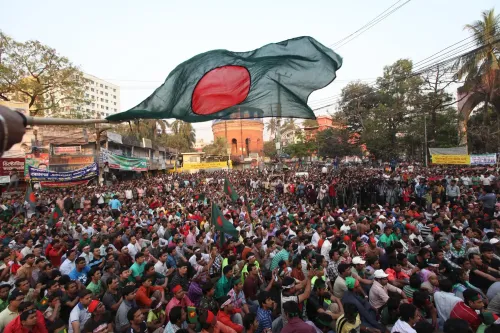
New Delhi, Nov 1 (NationPress) The upcoming elections in Bangladesh are set to attract significant attention, as the results will not only shape the nation's future but also influence its neighboring countries.
There is considerable speculation regarding the possibility of elections being held in February, and even if they do occur, the integrity of the electoral process remains in doubt.
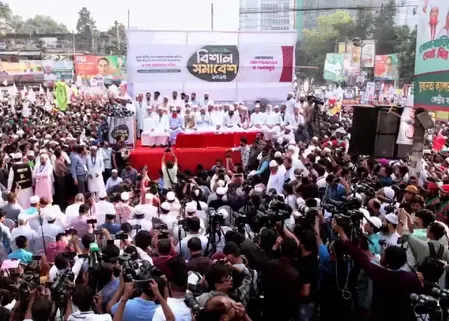
In the lead-up to the elections, numerous developments are unfolding, highlighting a growing divide between the interim government and Jamaat-e-Islami. This tension primarily stems from both factions appointing their loyalists to pivotal roles prior to the elections.
The Jamaat recently achieved a notable victory in the Dhaka University elections, bolstering its stance. Now, the Jamaat is positioning its supporters in essential roles across universities nationwide to fortify its influence among the student body.
Experts emphasize that no political party can afford to overlook the students, as their protests have historically led to regime changes not just in Bangladesh but also in Nepal.
The Jamaat-e-Islami is also actively placing its loyalists and members into key roles within state institutions, drawing scrutiny from observers who believe the Jamaat aims to maintain control even if electoral outcomes are unfavorable.
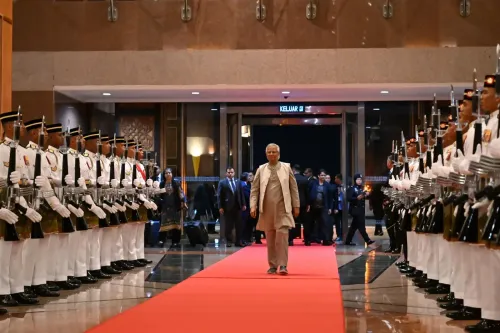
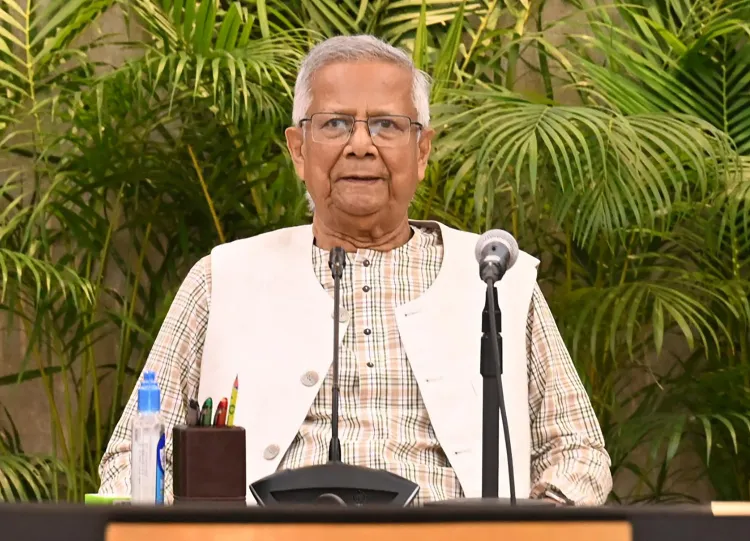
Conversely, the Jamaat has expressed alarm over the caretaker government led by Muhammad Yunus, accusing it of appointing politically affiliated individuals to crucial positions.
Following the appointment of a new Secretary to the Public Administration ministry, the Jamaat raised concerns about the individual's allegiance to Yunus and a controversial history. They also contend that several advisers in the government are orchestrating major administrative appointments with the aim of politicizing the administration.
Analysts monitoring Bangladesh suggest these actions indicate the elections are unlikely to be conducted fairly. As the situation evolves, there is a looming threat of renewed violence in the country.
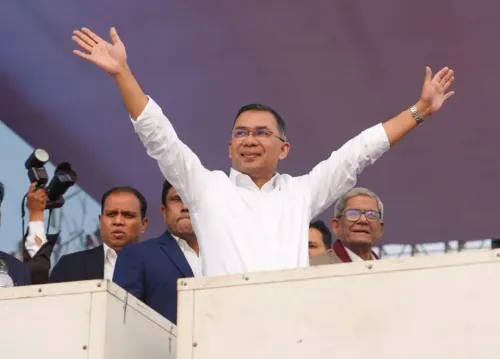
With the Bangladesh Nationalist Party (BNP) severing ties with the Jamaat, the political landscape has shifted significantly.
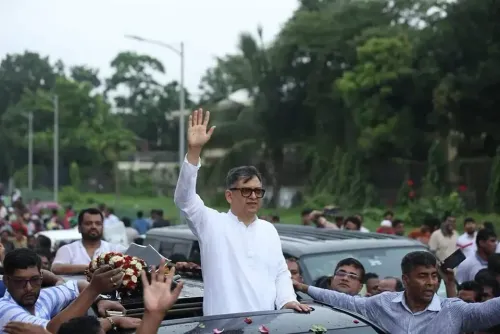
Current opinion polls indicate that the BNP holds a favorable position.
With the Awami League sidelined due to a ban, the BNP appears to lead, while the Jamaat assumes a distant second place. The newly established National Citizen Party (NCP), endorsed by Yunus, is projected to take third place according to the polls.
The BNP's lead has sparked feelings of insecurity among both Yunus and the Jamaat, prompting them to secure key administrative posts to exert control should they lose power. This urgency to install loyalists in significant roles ahead of the elections underscores their strategy.
Historically, the BNP and Jamaat have governed together, but a coalition now seems implausible. Furthermore, an evident rift exists between the Yunus administration, the Jamaat, and the BNP.
Both factions have accused the BNP of attempting to instill fear ahead of the elections. The BNP has countered by claiming that Yunus and the Jamaat are intending to manipulate the electoral process to maintain their positions of power.
Officials in New Delhi have dismissed these allegations as unfounded, stressing that the BNP is anxious about the potential for election rigging by Yunus and the Jamaat. They reaffirm New Delhi's commitment to a stable Bangladesh and hope for a transparent electoral process.
Point of View
It is evident that the political climate in Bangladesh is fraught with tension and uncertainty. The actions of both the interim government and Jamaat-e-Islami demonstrate a desperate attempt to secure power ahead of the elections. As observers, we must advocate for a transparent electoral process that reflects the will of the people and ensures stability in the region.
NationPress
24 Sept 2026
Frequently Asked Questions
What is the current political situation in Bangladesh?
The political landscape is tense as the BNP leads in polls, while the interim government and Jamaat-e-Islami vie for control ahead of the elections.
Are the upcoming elections expected to be fair?
Concerns have been raised about the fairness of the electoral process, given the ongoing political maneuvers and appointments by both sides.
What role do students play in this political climate?
Students have historically been pivotal in instigating regime changes, and both parties recognize their influence in the upcoming elections.
How has New Delhi responded to the situation?
New Delhi has expressed hope for a stable and fair electoral process, dismissing allegations of foreign interference as unfounded.
What could be the consequences of the elections?
If the elections are not conducted fairly, there is potential for increased violence and unrest in Bangladesh.