Is Bangladesh on the Verge of a New Government Amid Controversy?
Synopsis
As the Bangladesh Nationalist Party (BNP) edges closer to a significant victory, the nation stands at a crossroads. The 13th national election, marked by controversy and implications for the future, has sparked debates on unity and political alliances. Can this election reshape the political landscape in Bangladesh?
Key Takeaways
BNP is trending towards a significant victory.
Political alliances may shift dramatically.
Controversies surrounding voter turnout persist.
Challenges for the Jamaat remain evident.
Future governance could redefine political unity.
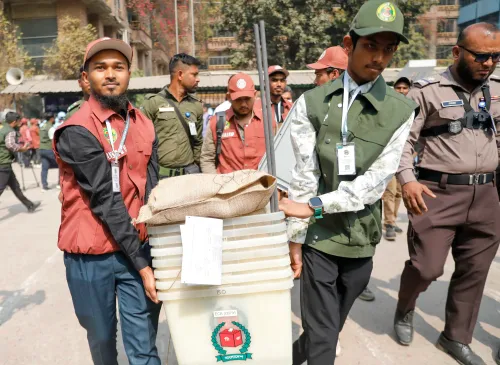
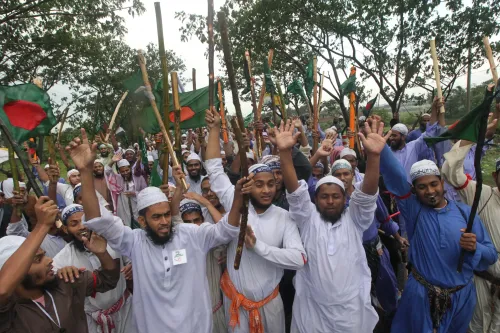
New Delhi, Feb 13 (NationPress) As the final ballots are being tallied in an election that appears to favor the Bangladesh Nationalist Party (BNP) with a significant lead, the nation’s 13th national election is shaping up to be one of the most critical and controversial in its history.
As the results began to emerge late Thursday evening, reports from Dhaka and the High Commission in New Delhi indicated that the outcome was trending in “anticipated directions.”
Pre-election surveys indeed suggested a slight advantage for the BNP-led coalition over the opposing alliance led by Bangladesh Jamaat-e-Islami, a trend that seemed to solidify as midnight approached.
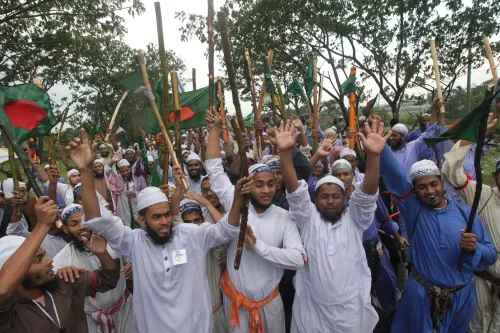
However, by the first light of Friday, the winning margin shifted dramatically, leaving the Jamaat without the last-minute surge that many had speculated.
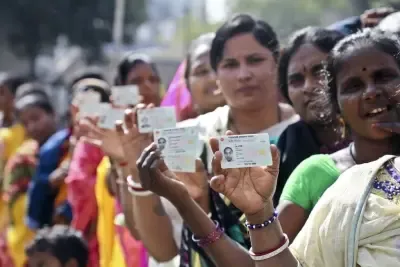
The Jamaat had performed well in university elections leading up to the general polls. Given that nearly five crore young individuals make up Bangladesh’s electorate of approximately 12.8 crore, there remains a mix of optimism and concern regarding the final results.
This overwhelming mandate could potentially preclude any reconciliation between former political allies, a sentiment echoed among many in Bangladesh's interim government.
Sources suggest that there is still an effort in Dhaka to unite the BNP and Jamaat, arguing that such unity would present a positive image to both domestic and international audiences despite a highly charged campaign.
A comprehensive analysis of the final voting results will clarify whether “floating voters”—including supporters of the Awami League—have shifted their allegiance to the BNP, as early counts seem to suggest.
The voter bases of both BNP and Jamaat largely intersect, drawing support from nationalistic and conservative demographics, making them strong competitors.
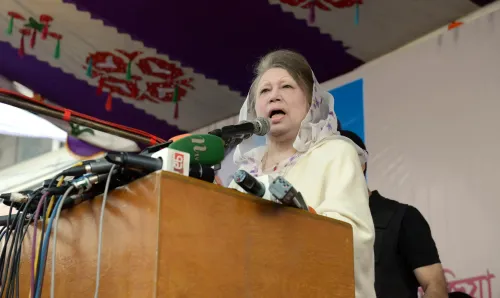
Times have changed since they once ruled together, with some Jamaat leaders even serving as ministers under former Prime Minister Khalida Zia.
Both parties remain staunch opponents of the Awami League, which has been barred from engaging in political activities following the exile of its leader, Sheikh Hasina.
Additionally, historical bans, the legacy of war crimes, and the Jamaat’s alleged connections to Pakistan during the 1971 Liberation War continue to tarnish its public perception.
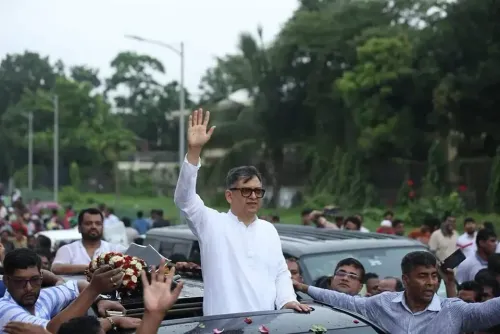
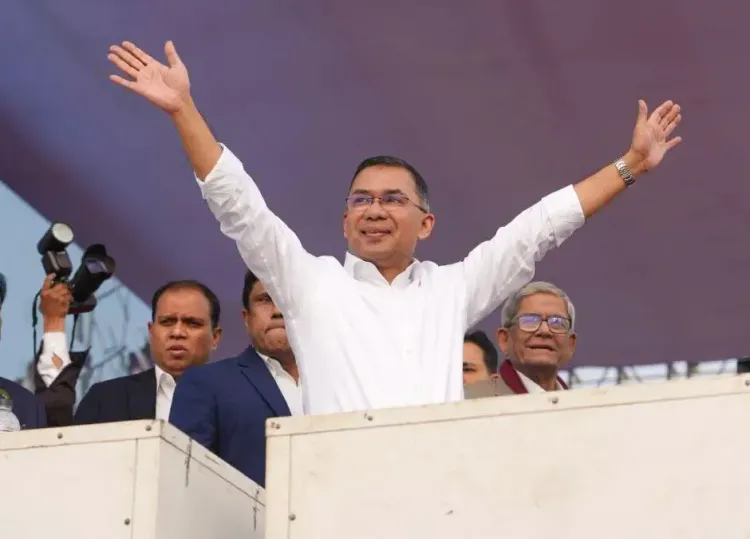
BNP Chairman Tarique Rahman now appears to be positioning himself as a unifying leader, a shift attributed to his experiences in Western culture during his 17-year exile in the UK.
Meanwhile, the election process has sparked a strong backlash from former Prime Minister Sheikh Hasina, who was ousted in August 2024 amid a student-led revolt. In a Facebook post, she called for the annulment of the election, citing low voter turnout—reported at 14.96% by 11 a.m., three and a half hours post-voting—as well as widespread violence and unusual spikes in voter numbers in Dhaka.
In response, Shafiqul Alam, Press Secretary to Chief Advisor Muhammad Yunus of the interim government, reported that Election Commission officials cited a turnout of 60.69%, deeming it a “significant and healthy” figure. He noted that in Bangladesh, any turnout exceeding 70% often invites skepticism. By comparison, the landmark 1991 general election saw a turnout of 55%, while the 87% turnout in the 2008 election—believed to have been manipulated by the DGFI—appears questionable and statistically improbable.
Point of View
The electoral landscape in Bangladesh is witnessing significant changes. The recent elections may redefine the political alliances and rivalries that have shaped the country's governance. The potential for collaboration between erstwhile rivals raises questions about the future of unity in a divided political sphere. Our commitment is to provide an unbiased view on these developments, ensuring our audience stays informed about the implications for Bangladesh's political future.
NationPress
24 Sept 2026
Frequently Asked Questions
What is the significance of the recent election results in Bangladesh?
The recent election results indicate a potential shift in political power, with the BNP gaining significant ground against its rivals, raising questions about future governance and political alliances.
How does the BNP's victory affect the Awami League?
The BNP's potential victory further marginalizes the Awami League, which has been barred from political activities, impacting its influence in the country.
What challenges does the Jamaat face after the elections?
The Jamaat faces challenges in overcoming its historical stigma and re-establishing its political presence following the election results.
What was the voter turnout in the recent elections?
Reports indicate varying figures for voter turnout, with some stating 14.96% and others citing 60.69%, highlighting the contentious nature of the electoral process.
What could the future hold for political alliances in Bangladesh?
The potential for alliances between the BNP and Jamaat could reshape the political landscape, but current sentiments suggest a divided atmosphere.