TGSRTC Strike: Driver Suffers 80% Burns in Self-Immolation Bid, CM Urges Calm
Synopsis
A TGSRTC bus driver suffered 80% burns after self-immolation at Warangal's Narasampet depot as the RTC strike hit Day 2. A second attempt was foiled in Nalgonda. CM Revanth Reddy has called for calm and directed Deputy CM Bhatti Vikramarka to hold talks with union leaders on Friday — but the clock is ticking.
Key Takeaways
Shankar Goud , a TGSRTC bus driver , attempted self-immolation at Narasampet bus depot, Warangal on April 24 , sustaining 80% burns and is in critical condition at MGM Hospital .
A second self-immolation attempt by an RTC worker in Nalgonda was foiled by alert police and fellow employees.
Approximately 40,000 TGSRTC employees are on an indefinite strike with 32 demands , including merger with the state government and pay revision .
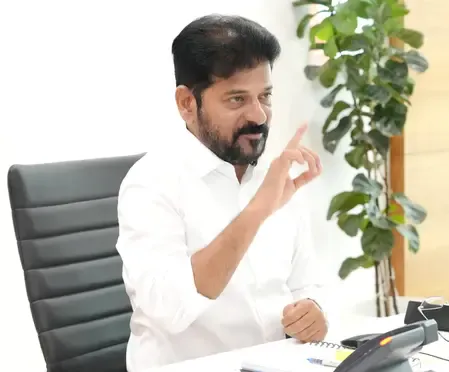
Revanth Reddy appealed for calm and directed Deputy CM Bhatti Vikramarka to lead ministerial talks with RTC union leaders on Friday .
Public transport across Telangana remained paralysed for a second day, severely impacting daily commuters, students, and rural populations.
The crisis echoes the 2019 TGSRTC strike under the KCR government, when nearly 48,000 employees were dismissed , highlighting a recurring structural fault line.
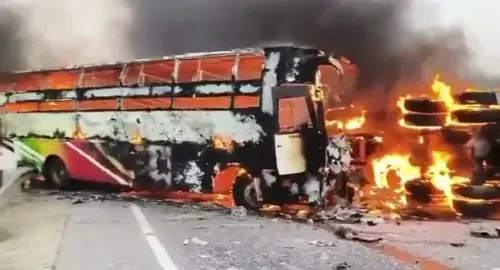
A Telangana State Road Transport Corporation (TGSRTC) bus driver suffered critical 80 per cent burns after attempting self-immolation on Thursday, April 24, at the Narasampet bus depot in Warangal district, as an indefinite strike by nearly 40,000 RTC employees entered its second day. The incident has sharply escalated tensions surrounding one of Telangana's most consequential labour standoffs in recent years. Chief Minister A. Revanth Reddy has since appealed to workers to exercise restraint and avoid drastic steps.
Self-Immolation Attempt Shocks Warangal
The driver, identified as K. Shankar Goud, set himself ablaze during a protest demonstration at the Narasampet bus depot in Warangal. He was immediately rushed to MGM Hospital, Warangal, where he remained in a critical condition, battling for his life with burns covering 80 per cent of his body.
In a separate incident in Nalgonda, another RTC worker also attempted self-immolation. Alert police personnel and fellow employees intervened in time and prevented him from taking the extreme step. The twin incidents within a single day underline the desperation gripping the striking workforce.
Strike Cripples Public Transport Across Telangana
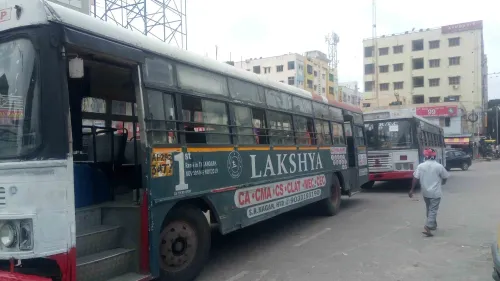
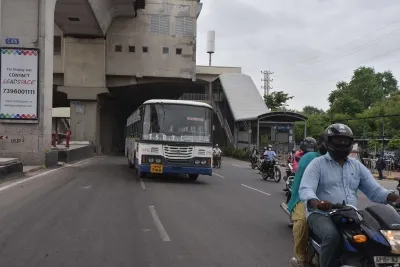
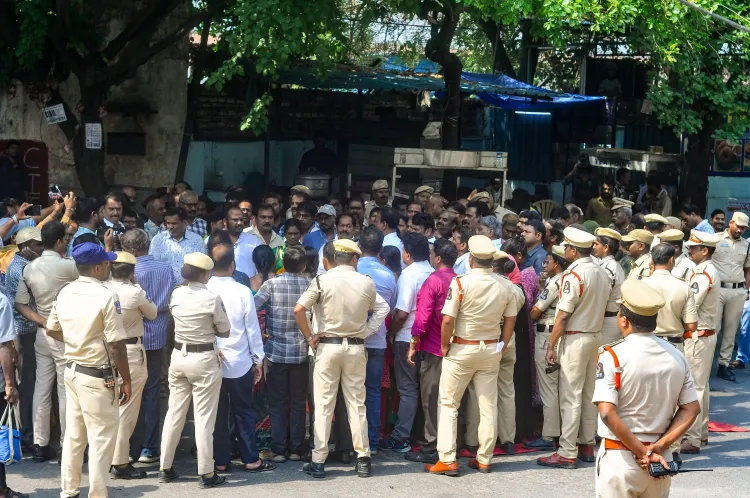
Public road transport services across Telangana remained severely disrupted on Thursday as the indefinite strike by TGSRTC employees entered its second consecutive day. Bus depots across the state wore a deserted look, leaving lakhs of daily commuters — particularly students, daily-wage workers, and the elderly — stranded without affordable transport options.
On a call issued by the Joint Action Committee (JAC), employees gathered outside depots across the state, raising slogans in support of their 32 demands. The two primary demands are the merger of TGSRTC with the state government and an immediate pay revision for all categories of employees. The strike, if prolonged, risks significant economic disruption to the state's inter-city and rural connectivity.
What the Government Said
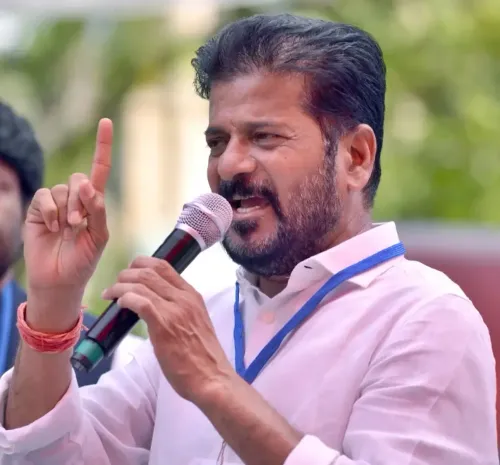
Chief Minister A. Revanth Reddy addressed the crisis after the State Cabinet convened to discuss the strike. In a statement issued by the Chief Minister's Office (CMO), he urged RTC workers not to take any hasty or extreme decisions, emphasising that such steps would not resolve the underlying issues.
The Chief Minister stated that the government is sincerely committed to resolving the concerns of the workers and directed ministers — under the leadership of Deputy Chief Minister Bhatti Vikramarka — to invite RTC union leaders for formal talks on Friday. The government described its stance as positive and constructive, signalling a willingness to negotiate.
Deeper Context: A Crisis Long in the Making
This is not the first time TGSRTC has been at the centre of a major labour crisis. Notably, in October 2019, the then K. Chandrashekar Rao (KCR)-led government dismissed nearly 48,000 striking RTC employees, triggering a prolonged standoff that drew national attention and legal battles. That episode left deep scars in the workforce and set a precedent for how the state handles RTC labour disputes.
The current demands — particularly the merger of TGSRTC with the government — reflect a long-standing structural grievance. Critics argue that successive Telangana governments have underfunded the corporation, leaving it saddled with debt and unable to offer competitive wages. According to publicly available data, TGSRTC has been operating at a loss for several years, making pay revision demands politically and fiscally complex.
The Congress-led Revanth Reddy government, which came to power in December 2023 partly on the promise of addressing workers' welfare, now faces a critical test of its credibility. The contrast between pre-election assurances to government employees and the current standoff is not lost on political observers.
Impact on Citizens and What Comes Next
The suspension of TGSRTC services has hit the most vulnerable sections of society hardest. Daily commuters in rural and semi-urban areas, who depend almost entirely on state-run buses, have been left with no affordable alternative. Private transport operators have reportedly hiked fares in several districts, exploiting the vacuum.
All eyes are now on the Friday talks between government ministers led by Deputy CM Bhatti Vikramarka and JAC union leaders. A failure to reach a breakthrough could push the strike into a prolonged phase, with potential court interventions and political fallout. The self-immolation attempts have added a humanitarian urgency to what was already a high-stakes negotiation, and the government will be under significant pressure to demonstrate tangible progress.
Point of View
A wound that dates back to the brutal 2019 mass dismissal under the previous KCR regime. The Revanth Reddy government, elected on a platform of worker welfare, now risks inheriting the same authoritarian optics it once condemned. Calling for talks is necessary, but it is not sufficient — the deeper question of whether Telangana can afford to run a viable public transport system without exploiting its workers demands a real answer, not another round of managed dialogue.
NationPress
16 Sept 2026
Frequently Asked Questions
What happened during the TGSRTC strike in Warangal on April 24?
A TGSRTC bus driver, K. Shankar Goud, attempted self-immolation at the Narasampet bus depot in Warangal during a protest, sustaining 80 per cent burns. He was admitted to MGM Hospital, Warangal, in a critical condition.
What are the main demands of the TGSRTC striking employees?
The approximately 40,000 striking TGSRTC employees have put forward 32 demands, with the two key ones being the merger of TGSRTC with the Telangana state government and an immediate pay revision. The strike is being coordinated by the Joint Action Committee (JAC).
What has CM Revanth Reddy said about the TGSRTC strike?
Chief Minister A. Revanth Reddy appealed to RTC workers not to take hasty or extreme decisions, assuring them the government is committed to resolving their issues. He directed ministers under Deputy CM Bhatti Vikramarka to hold formal talks with union leaders on Friday.
How has the TGSRTC strike affected the public in Telangana?
The indefinite strike has crippled public road transport services across Telangana for the second consecutive day, leaving lakhs of daily commuters, students, and rural residents without affordable transport. Private operators have reportedly raised fares in several districts.
Has TGSRTC seen major strikes before?
Yes. In October 2019, the then KCR-led government dismissed nearly 48,000 TGSRTC employees during a major strike, triggering prolonged legal and political battles. The current strike echoes that crisis and reflects long-standing structural and financial issues within the corporation.