Thenhi becomes Dhamtari's first solar village under PM Surya Ghar Yojana
Synopsis
Thenhi village in Dhamtari has become Chhattisgarh's first collective solar village, with a 142-kW plant serving 71 families at zero cost under the PM Surya Ghar-Muft Bijli Yojana. The collective model — one shared plant rather than individual rooftop units — could offer a replicable blueprint for rural India's solar transition.
Key Takeaways
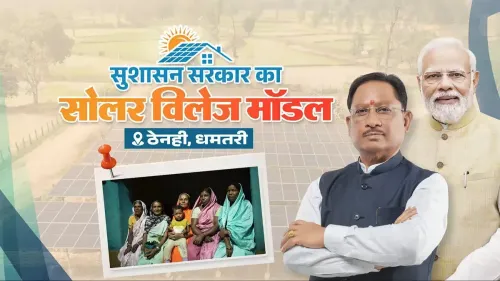
Thenhi village in Dhamtari district , Chhattisgarh, is now the district's first solar village under the PM Surya Ghar-Muft Bijli Yojana .
A collective 142-kilowatt solar plant powers 71 families , each with a 2-kilowatt allocation, at no cost to residents.
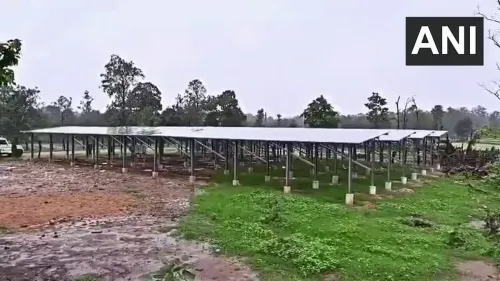
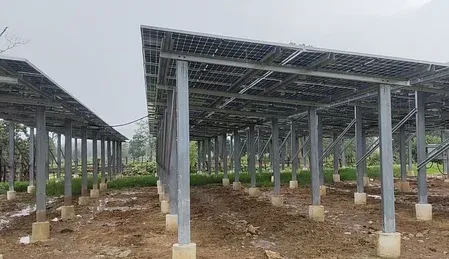
The plant was installed on land 50–75 metres from the village; all households are connected to the shared grid.
Dhamtari Collector Abinash Mishra confirmed residents will pay no electricity bills going forward.
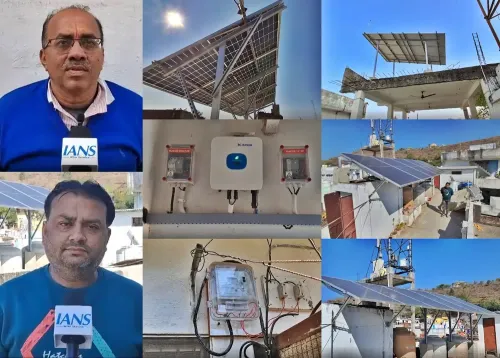
Rooftop solar installations under the scheme have seen a threefold rise nationally in the past six months , according to official data.
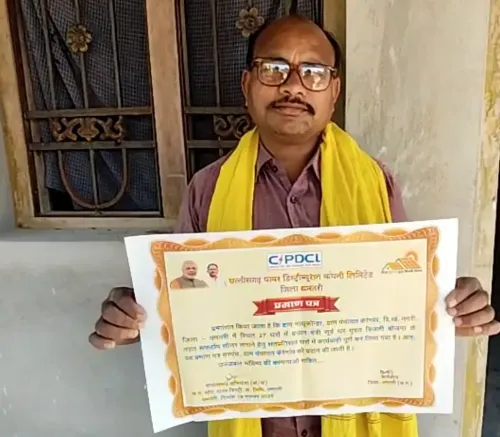
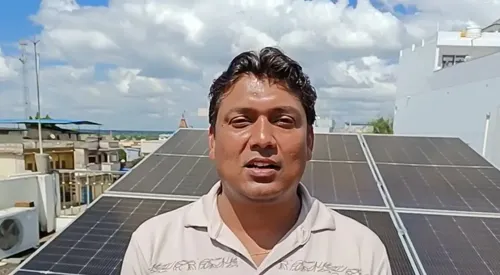
Thenhi village in Dhamtari district, Chhattisgarh, has become the district's first solar village under the Centre's PM Surya Ghar-Muft Bijli Yojana, with a collective 142-kilowatt solar plant now powering 71 families at zero cost to residents. The development, confirmed on 7 August, marks a significant milestone in the scheme's rural rollout across central India.
How the Solar Plant Was Set Up
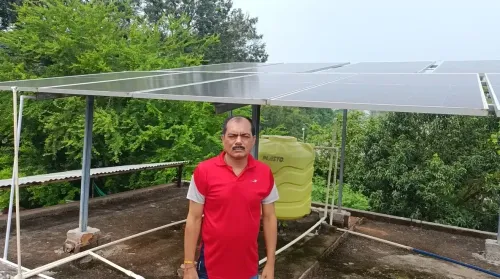
Registrations were completed for all 71 families in Thenhi, each opting for a 2-kilowatt capacity solar panel. The panels were consolidated into a single collective plant with a combined capacity of 142 kilowatts, installed on a plot of land roughly 50–75 metres from the village boundary.
No charges were levied on any household for the installation. All 71 families are now connected to the shared solar grid, receiving electricity round the clock without incurring monthly bills.
What Residents and Officials Said
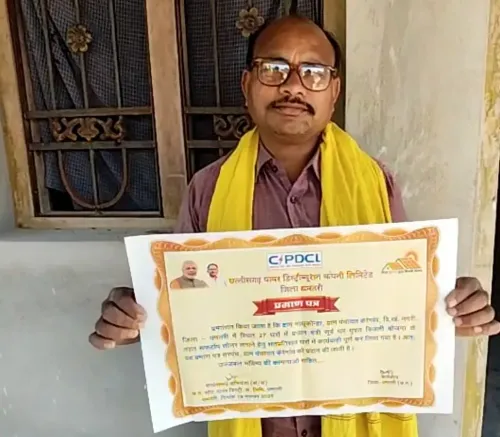
Village Sarpanch Jyoti Som said, 'Solar panels have been installed in the Gram Panchayat under the PM Surya Ghar-Muft Bijli Yojana, providing us with free electricity. We are thankful to PM Modi for this.'
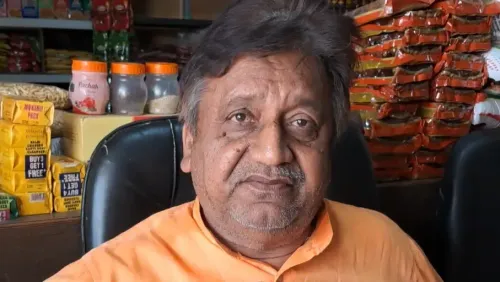
Beneficiary Sirdhan Som noted that residents previously faced high electricity bills. 'Now, thanks to the 142-kilowatt plant installed for 71 families under the PM Surya Ghar-Muft Bijli Yojana, all these families are receiving free electricity,' he said.
Another resident, Dinesh Yadav, said, 'Earlier, I used to pay a huge sum on electricity expenses. Since the installation of the system under the PM Surya Ghar Yojana, we have been relieved of the burden of electricity bills.'
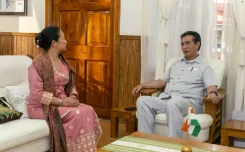
Dhamtari Collector Abinash Mishra confirmed the development, stating: 'This is a village in Chhattisgarh where residents will not have to pay electricity bills. Electricity will be supplied to the village through solar energy.'
Scheme's Broader Momentum
Thenhi's achievement comes as the PM Surya Ghar-Muft Bijli Yojana gains wider traction across the country. According to official data, rooftop solar installations under the scheme have recorded a threefold rise in the past six months compared to the preceding period — a pace that suggests accelerating adoption in both urban and rural settings.
The scheme is designed not only to eliminate electricity bills for beneficiaries but also to enable households to sell surplus power back to the grid, creating a supplementary income stream. This dual benefit has been a key driver of enrolment in states like Chhattisgarh, where rural electrification gaps have historically been a challenge.
Significance for Rural Chhattisgarh
Thenhi's model — a collective plant serving multiple families rather than individual rooftop units — reflects a pragmatic adaptation for villages where land availability and structural constraints may limit household-level installations. District officials have not yet indicated whether the collective model will be replicated in other Dhamtari villages, but the early outcomes are being closely watched.
With installations tripling nationally and Thenhi setting a local precedent, the scheme's rural expansion phase appears to be gaining ground — though sustained maintenance of the collective infrastructure will be the next test.
Point of View
But the real accountability question is maintenance: collective infrastructure in rural India has a mixed track record once the inauguration spotlight fades. Whether Dhamtari's district administration has a long-term upkeep plan for Thenhi's plant is the question the scheme's credibility now hinges on.
NationPress
22 Sept 2026
Frequently Asked Questions
What is the PM Surya Ghar-Muft Bijli Yojana?
The PM Surya Ghar-Muft Bijli Yojana is a Central government scheme that installs solar panels for households at no direct cost, eliminating electricity bills and enabling surplus power to be sold back to the grid as supplementary income. It is one of the Centre's flagship public welfare programmes targeting both urban and rural beneficiaries.
How did Thenhi become Dhamtari's first solar village?
Thenhi became Dhamtari's first solar village after 71 families registered under the PM Surya Ghar-Muft Bijli Yojana, each opting for a 2-kilowatt panel. These were combined into a single 142-kilowatt collective plant installed near the village, with all households connected to the shared grid at zero cost.
Who confirmed the Thenhi solar village development?
Dhamtari Collector Abinash Mishra confirmed the development, stating that Thenhi residents will not have to pay electricity bills and that the village will be powered entirely through solar energy.
How has the PM Surya Ghar Yojana performed nationally?
According to official data, rooftop solar installations under the scheme have tripled in the past six months compared to the period before. The scheme is gaining pace in both urban and rural areas across India.
Why is the collective solar model used in Thenhi significant?
Rather than individual rooftop units, Thenhi uses a single shared 142-kW plant for all 71 families — a model better suited to villages where rooftop space or structural constraints limit household-level installations. It could serve as a replicable blueprint for rural solar adoption across Chhattisgarh and beyond.