Tamil Nadu DCPU staff petition CM Vijay to fix child protection gaps
Synopsis
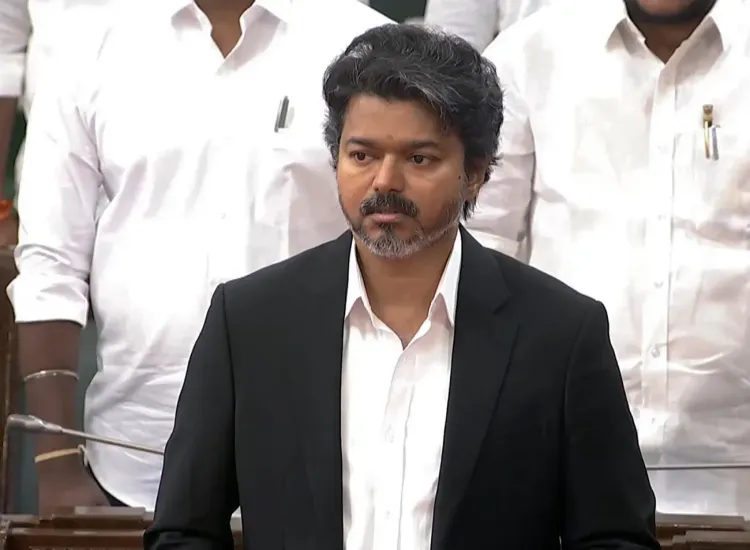
Tamil Nadu's frontline child protection workers — on annual contracts since 2012 with no job security or retirement benefits after 14 years — have petitioned CM C. Joseph Vijay to fix crumbling infrastructure, add district-level shelters, and regularise their own employment. The petition exposes a structural fault line: the state's child welfare ambitions outpace the resources and stability of the people tasked with delivering them.
Key Takeaways
DCPU employees across Tamil Nadu submitted a petition to CM C.
Joseph Vijay on 20 June seeking urgent child protection reforms.
Staff demanded fully equipped temporary shelters and dedicated rehabilitation homes in every district for children in distress or in conflict with the law.
Many District Child Protection Offices , Juvenile Justice Boards , and Child Welfare Committees operate from rented or inadequate premises without dedicated vehicles.
DCPU personnel have worked on annual contracts since 2012 — over 14 years — without job security, accident insurance, or retirement benefits.
The petition calls for regularisation of services, expansion of child protection committees to village and block levels, and additional block-level child protection officers.
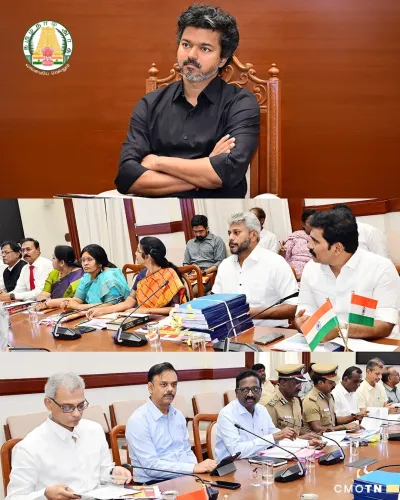
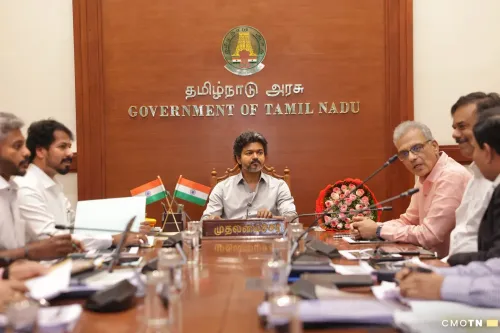
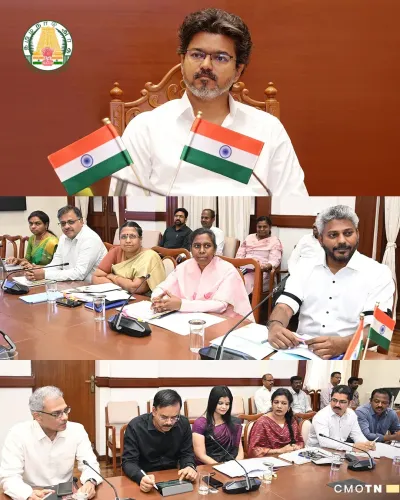
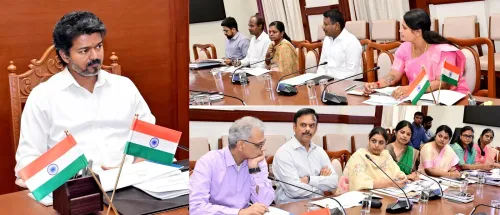
Employees of District Child Protection Units (DCPUs) across Tamil Nadu have submitted a formal representation to Chief Minister C. Joseph Vijay, urging urgent action to strengthen child protection infrastructure and address long-standing grievances of personnel working in the sector. The petition, submitted on 20 June, covers systemic gaps in facilities, staffing, and the employment security of frontline child welfare workers.
Key Demands from DCPU Staff
The employees, who function under the Department of Children Welfare and Special Services (DCWSS), highlighted critical shortfalls in implementing the Juvenile Justice (Care and Protection of Children) Act, 2015. Among their primary demands is the establishment of fully equipped temporary shelters in every district, staffed with counsellors, doctors, and special educators, to ensure comprehensive care for children in distress.
The petition also called for dedicated rehabilitation homes in every district for children below 18 years who come into conflict with the law — facilities that would provide counselling, education, and pathways for social reintegration. Staff further urged the government to expand financial assistance schemes, noting that existing support is limited and does not reach all eligible beneficiaries.
Infrastructure and Operational Gaps
According to the representation, many District Child Protection Offices, Juvenile Justice Boards, and Child Welfare Committees continue to operate from rented buildings or government premises with inadequate infrastructure. The absence of dedicated vehicles, staff noted, frequently delays timely intervention in emergency cases — a gap with direct consequences for children facing abuse, trafficking, or exploitation.
The department is mandated to address child abuse, prevent child marriages, eliminate child labour, rescue children engaged in begging, and oversee rehabilitation of children in conflict with the law. Operational deficiencies, the staff argued, directly undermine these mandates.
Grassroots Strengthening Urged
To reinforce child protection at the community level, the employees recommended expanding the activities of child protection committees at village, block, municipal, and corporation levels. They also called for the appointment of additional child protection officers at the block level, arguing that the current ratio of officers to population is insufficient for effective outreach.
Employment Conditions of DCPU Personnel
A significant portion of the petition addressed the precarious employment status of DCPU staff. According to the employees, they have been engaged on annual contract appointments since 2012 — more than 14 years of service — without job security, accident insurance, or retirement-related welfare benefits.
The staff urged Chief Minister Vijay to regularise their services, grant permanent appointments, and introduce welfare benefits. They contended that stable, secure employment for child protection personnel is not merely a labour issue but a prerequisite for sustained effectiveness of child welfare systems across Tamil Nadu.
The petition places the ball firmly in the new government's court, with child welfare advocates watching whether the Vijay administration will move beyond incremental measures to structural reform of the state's child protection architecture.
Point of View
Yet the very workers enforcing the Juvenile Justice Act have spent 14 years on annual contracts with no insurance or retirement security. That contradiction is not a footnote — it is the story. Understaffed offices in rented rooms without vehicles cannot deliver emergency child protection at scale, regardless of how well-drafted the legislation is. The Vijay government's response to this petition will be an early signal of whether it intends to reform the state's social protection machinery or simply inherit its structural weaknesses.
NationPress
19 Sept 2026
Frequently Asked Questions
Why have Tamil Nadu DCPU employees petitioned Chief Minister C. Joseph Vijay?
DCPU employees petitioned CM C. Joseph Vijay on 20 June to demand stronger child protection infrastructure across Tamil Nadu, including district-level shelters, dedicated vehicles, and expanded staffing. They also sought regularisation of their own services after more than 14 years on annual contracts without job security or welfare benefits.
What are the main infrastructure gaps flagged in the petition?
The petition highlights that many District Child Protection Offices, Juvenile Justice Boards, and Child Welfare Committees operate from rented or inadequate premises and lack dedicated vehicles. Staff say this delays emergency interventions for children facing abuse, trafficking, or exploitation.
What new facilities are DCPU staff asking the government to create?
They are calling for fully equipped temporary shelters in every district — staffed with counsellors, doctors, and special educators — as well as dedicated rehabilitation homes for children below 18 years in conflict with the law, to provide counselling, education, and social reintegration support.
How long have DCPU employees been on contract, and what benefits do they lack?
According to the petition, DCPU personnel have been on annual contract appointments since 2012 — over 14 years — without permanent job security, accident insurance, or retirement-related welfare benefits. They are urging the government to regularise their appointments and introduce standard welfare provisions.
What role does the DCWSS play in Tamil Nadu's child welfare system?
The Department of Children Welfare and Special Services (DCWSS) is mandated to protect children from abuse, prevent child marriages, eliminate child labour, rescue children engaged in begging, and oversee rehabilitation of children in conflict with the law under the Juvenile Justice (Care and Protection of Children) Act, 2015.