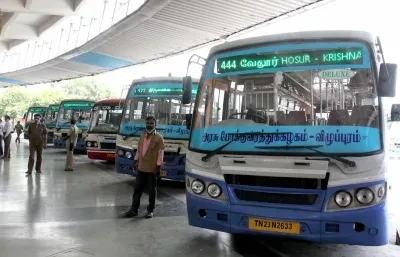
Tamil Nadu to rope in private firms to run 500 electric buses under GCC model
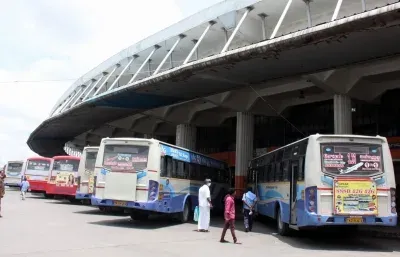
Synopsis
Tamil Nadu is scrapping its 2024 electric bus tender and starting over — this time handing procurement, operations, and staffing entirely to private concessionaires under the GCC model. With KfW's nod for the cancellation already in hand, the Vijay government is betting that private-run buses will ease the financial strain on state transport corporations. But unions are calling it privatisation by stealth.
Key Takeaways
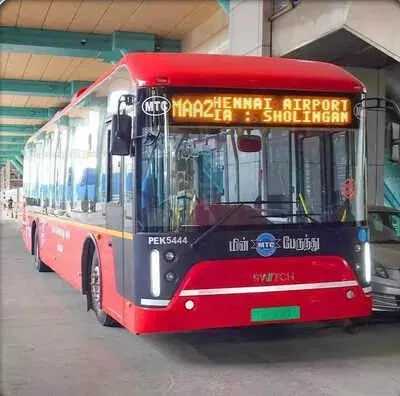
Tamil Nadu has proposed a fresh tender for 500 electric buses across Chennai , Madurai , and Coimbatore under the Gross Cost Contract (GCC) model.
KfW , the Germany-based funding agency, approved cancellation of the earlier 2024 tender on 18 June 2025 .
Under GCC, private concessionaires will own, operate, and staff the buses, sharing daily revenue with state transport corporations.
The MTC already runs more than 600 buses under GCC at ₹77–₹81 per kilometre .
CITU -affiliated union leader K.
Arumuganainar has called the move gradual privatisation of public transport.
The MTC cancelled reportedly 162 services on Tuesday amid claims of driver, conductor, and spare-parts shortages across its 686 routes .
The Tamil Nadu government has proposed floating a fresh tender to induct 500 electric buses across Chennai, Madurai, and Coimbatore under the Gross Cost Contract (GCC) model, after Germany-based development finance agency KfW approved the cancellation of an earlier procurement process on 18 June 2025. The move signals a structural shift in how the Vijay government intends to expand public electric mobility in the state.
Why the Earlier Tender Was Scrapped
The original tender, floated in 2024, envisaged private companies supplying and maintaining the buses for a fixed period while state transport corporations retained operational control. The transport department moved to cancel that tender in March 2025, citing the need for a more financially sustainable model. KfW, which is funding the project, formally approved the cancellation request on 18 June.
How the GCC Model Works
Under the proposed GCC framework, private concessionaires will procure, own, and operate the buses entirely. They will also hire drivers and support staff, collect passenger fares directly, and remit an agreed share of daily revenue to the respective state transport corporations. Transport department officials confirmed the proposal is now awaiting KfW's response before implementation can proceed.
Officials believe the model will substantially reduce the financial burden on transport corporations by eliminating capital expenditure on vehicle procurement, maintenance, fuel costs, and employee salaries. The Metropolitan Transport Corporation (MTC) has already adopted this approach and currently runs more than 600 buses under similar GCC arrangements. The operating cost under existing contracts stands at approximately ₹77 per kilometre for non-air-conditioned electric buses and ₹81 per kilometre for air-conditioned variants.
MTC's Parallel Fleet Expansion
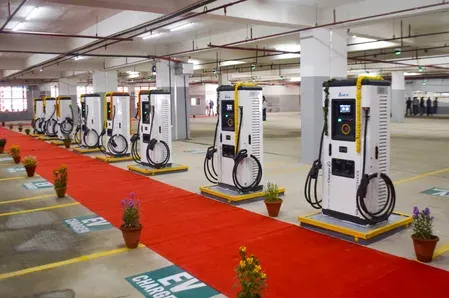
Separately, the MTC has floated four tenders to further expand its electric fleet. These cover the procurement of 20 double-decker air-conditioned electric buses, 1,300 standard air-conditioned electric buses, and 220 smaller air-conditioned buses aimed at strengthening first- and last-mile connectivity across Chennai. This expansion runs alongside the proposed GCC rollout and underscores the scale of Tamil Nadu's electric mobility ambitions.
Union Pushback Over Privatisation Concerns
K. Arumuganainar, general secretary of the CITU-affiliated Tamil Nadu State Transport Employees Federation, has alleged that the GCC expansion amounts to the gradual privatisation of public transport. He argued that state transport corporations should continue to directly procure and operate buses, warning that increasing dependence on private operators could erode the long-term financial health of transport undertakings — drawing a parallel, he said, to what occurred in the power sector.
Service Disruptions Add to Pressure
The policy debate comes as the MTC faces operational scrutiny over recent service cuts across Chennai. On Tuesday alone, reportedly 162 scheduled services were cancelled. While officials attributed the disruptions to administrative reasons, employees claimed shortages of drivers, conductors, and spare parts were the actual cause. The MTC currently operates 3,858 scheduled services daily across 686 routes, making any sustained reduction in services a significant concern for daily commuters.
With KfW's response still awaited, the pace of the GCC rollout will depend on how swiftly the funding agency clears the revised proposal.
Point of View
Who absorbs the risk? The union warning about the power-sector parallel is not frivolous — Tamil Nadu's electricity distribution companies remain financially stressed partly because of legacy private-procurement structures. The government must publish the revenue-sharing terms transparently before the next tender is floated, or it risks validating exactly the privatisation narrative it is trying to avoid.
NationPress
23 Sept 2026
Frequently Asked Questions
What is the GCC model for electric buses in Tamil Nadu?
Under the Gross Cost Contract (GCC) model, private concessionaires procure, own, and operate the buses, hire drivers and staff, collect fares, and share an agreed portion of daily revenue with state transport corporations. It shifts capital and operational costs away from government-run transport bodies.
Why was the 2024 electric bus tender cancelled?
The Tamil Nadu transport department sought cancellation of the 2024 tender in March 2025, as it wanted to shift to the GCC model rather than the earlier arrangement where private firms only supplied and maintained buses while state corporations operated them. KfW, the funding agency, approved the cancellation on 18 June 2025.
Which cities will get the 500 new electric buses?
The proposed 500 electric buses are earmarked for Chennai, Madurai, and Coimbatore, subject to KfW approving the revised GCC-based proposal.
Why are transport unions opposing the GCC expansion?
K. Arumuganainar of the CITU-affiliated Tamil Nadu State Transport Employees Federation has alleged the model amounts to gradual privatisation of public transport. He argues that state corporations should directly procure and operate buses, warning that private-operator dependence could weaken transport undertakings financially over time.
What is the current operating cost of GCC electric buses in Tamil Nadu?
Under existing GCC contracts operated by the MTC, the cost is approximately ₹77 per kilometre for non-air-conditioned electric buses and ₹81 per kilometre for air-conditioned buses.