Devastating Pesticide Fume Incident Claims Lives of Two Children in Ujjain

Synopsis
A heart-wrenching incident in Ujjain reveals the dangers of pesticide fumes, claiming two young lives and leaving another child in critical condition. This tragedy stresses the need for safer alternatives in household pesticide use.
Key Takeaways
Two children lost their lives due to pesticide fumes in Ujjain.
Another child remains in critical condition .
The incident highlights the dangers of chemical pesticide use in homes.
Experts recommend natural alternatives for grain storage.
The community is raising awareness about the risks of improper pesticide usage.
Ujjain, April 16 (NationPress) In a tragic and wholly preventable incident, lethal fumes from pesticides used on stored wheat claimed the lives of two young children in Ujjain’s Triveni Hills area along Indore Road, leaving another girl in a serious condition.
This heartbreaking event has shattered the family and underscored the hidden hazards associated with chemical pesticide usage in inadequately ventilated domestic settings.
The victims were visiting their maternal grandparents. Pooja, the daughter of brick kiln proprietor Lalchand Prajapati, had traveled from Shajapur with her five-year-old daughter, Jenisha, and her one-and-a-half-month-old baby, Trisha.
Her sister Reena had come for the summer break with her three-and-a-half-month-old son, Rehan, and her four-year-old daughter, Annu (also known as Anika). Sharing the back room was their brother Nitesh’s three-year-old daughter, Yeshu.
The children’s mothers were also present in the room.
Approximately four quintals of wheat, treated with pesticides to avert spoilage, were stored in this enclosed space with poor ventilation. On the night of the incident, the hazardous fumes accumulated and spread while the children were asleep, according to police reports.
On Tuesday morning, around 9:00 am, the family became aware of the children's deteriorating health conditions. Foam started to form at the mouth of baby Trisha. In a state of panic, the family rushed all five children to a nearby private hospital. Unfortunately, Trisha passed away around 4:00 pm on Tuesday.
Reena’s four-year-old daughter, Anika, also succumbed on Wednesday morning.
Five-year-old Jenisha has been transferred to a hospital in Indore, where her condition remains critical. The other two children, three-and-a-half-month-old Rehan and three-year-old Yeshu, are receiving treatment in Ujjain, with their conditions under vigilant medical observation.
Initial investigations suggest the production of toxic gas from the pesticide in a closed room lacking proper ventilation. The fumes were particularly deadly for the young children, who are more susceptible.
Kalabai, the children’s maternal grandmother, was inconsolable and took the blame upon herself.
“We have always stored wheat this way with pesticides. Nothing like this has ever happened before,” she lamented.
Dr. Jitendra Sharma explained that pesticides applied to wheat emit toxic fumes. In a poorly ventilated room, this creates a suffocating atmosphere, which poses a far greater risk and can be fatal for infants and young children.
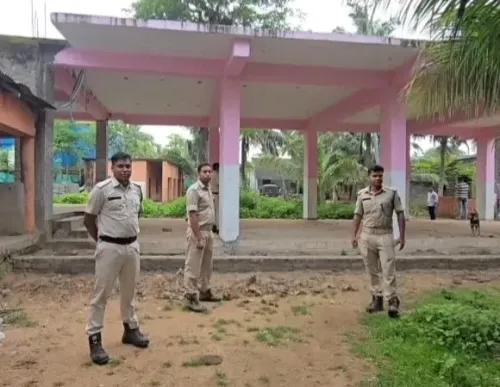
The Nanakheda police have initiated a case of accidental death and have involved the Forensic Science Laboratory team. The exact cause will be confirmed once the post-mortem reports are available.
Experts strongly recommend against the use of chemical pesticides for grain storage in homes with young children. “Natural alternatives like neem leaves or other traditional methods should be preferred to prevent such tragic incidents,” they advised.
This incident has raised significant alarm within the community, serving as a stark reminder of the dangers posed by improper pesticide use in residential areas.
The family continues to grieve the loss of two innocent lives while hoping for the recovery of the surviving children.
Point of View
It's crucial to highlight the alarming consequences of negligence in household pesticide usage. This incident underscores the urgent need for public awareness regarding the dangers of toxic chemicals, especially around vulnerable populations like children. Our focus must shift towards safer practices to prevent such tragedies in the future.
NationPress
26 Sept 2026
Frequently Asked Questions
What caused the deaths of the children in Ujjain?
The children died due to toxic fumes generated from pesticides applied to stored wheat in a poorly ventilated room.
How many children were affected in this incident?
Five children were affected, two of whom sadly lost their lives.
What are safer alternatives to chemical pesticides?
Natural alternatives like neem leaves or traditional storage methods are recommended to avoid such hazardous situations.
What actions are being taken by authorities?
The Nanakheda police have registered a case of accidental death and are investigating the situation with the Forensic Science Laboratory.
Why are young children more vulnerable to pesticide fumes?
Young children are more susceptible to toxic fumes due to their developing bodies and respiratory systems.