Should American Indian Tribes Urge Congress for More Police and Prevention Programs?
Synopsis
In a crucial push for safety, American Indian tribal leaders are calling on Congress to enhance police presence and prevention programs. As gaps in law enforcement and social services threaten Native families, this initiative aims to secure vital resources for justice and protection of Native youth.
Key Takeaways
Urgent Need: Tribal leaders are advocating for enhanced law enforcement and prevention resources.
Proposed Legislation: The Native Children’s Commission Implementation Act aims to provide critical support to Native youth.
Tiwahe Impact: The Tiwahe program offers a successful community-based model for supporting families.
Missing Persons Issue: The plight of missing Indigenous individuals highlights public safety concerns.
Funding Access Challenges: Tribes face barriers in accessing federal funding for essential services.
Washington, Jan 31 (NationPress) American Indian tribal leaders and advocates have urged Congress to allocate more police officers and bolster prevention initiatives, cautioning that inadequate law enforcement and social service gaps are jeopardizing the safety of Native children and families.
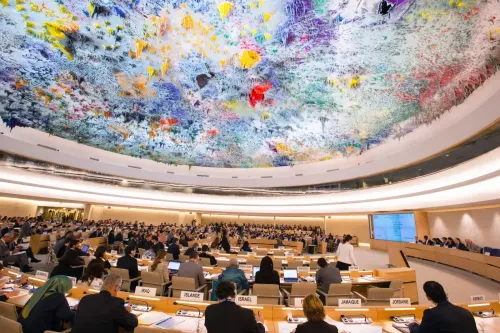
During testimony before the Senate Indian Affairs Committee, witnesses supported a proposed Native Children’s Commission Implementation Act aimed at enhancing justice and safety programs for Native youth, increasing flexibility in prevention funding, and permanently authorizing essential victim services.
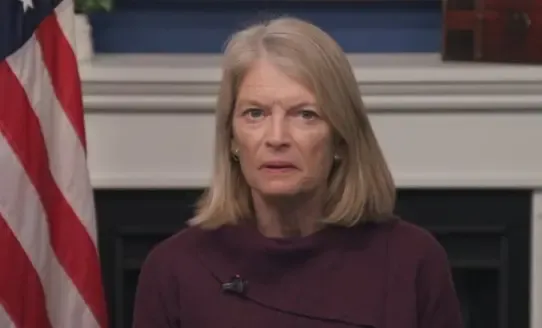
Committee Chairwoman Lisa Murkowski noted that lawmakers are evaluating Title II of the proposed bill, which centers on justice and safety for Native children, youth, and families. She emphasized that the committee’s findings reveal ongoing public safety deficiencies in Indian Country, particularly concerning law enforcement and coordinated services.
“Without access to integrated community services, families are far more likely to become ensnared in the justice system,” Murkowski stated. The draft legislation seeks to enhance coordination, increase funding flexibility, and invest in prevention strategies, including juvenile justice, domestic violence, and cases of missing children.
A key aspect of the bill is Tiwahe, a coordinated service model enabling tribes to develop tailored local programs. Murkowski affirmed that the legislation would solidify Tiwahe and promote its expansion nationwide. It also aims to create a Tribal Advisory Committee on Juvenile Justice, commission a study on missing Native children, and secure ongoing funding for tribal domestic violence coalitions, resource centers, and the Native Domestic Violence Hotline.
Lonna Jackson-Street, Chairwoman of the Spirit Lake Tribal Council, highlighted the severe public safety issues facing her North Dakota tribe. “Our homicide rate is four times that of non-Hispanic whites,” she reported, noting five murders on the reservation this year alone.
She described how Spirit Lake’s Tiwahe program employs a community-focused strategy to assist youth and families before and after their involvement with the justice system.
Jackson-Street also brought attention to ongoing cases of missing and murdered Indigenous individuals, stressing the need for swift coordination. She advocated for significant increases in law enforcement funding, asserting that current resources fall far short of tribal needs.
Joan Johnson, a member of the Fort Belknap Indian Community Council, remarked that Tiwahe has revolutionized services for her remote Montana reservation, located just 35 miles from the Canadian border.
Lori Jump, executive director of StrongHearts Native Helpline, informed senators that Native communities experience the highest rates of violence yet have minimal access to services. With 575 federally recognized tribes, fewer than half receive funding for domestic violence initiatives.
Anita Fineday, a former member of the Native Children’s Commission, emphasized the obstacles tribes face in obtaining federal child welfare funding. She explained that complicated reporting requirements hinder access to IV-E funding, available to all states but utilized by only a small fraction of tribes. She urged Congress to permit tribes to access these funds through consolidated “477” agreements to alleviate administrative burdens.
The Native Children’s Commission, established by Congress, has documented the disparities faced by Native children and provided recommendations regarding juvenile justice, child welfare, and public safety.
Point of View
And the proposed legislation highlights the urgency of addressing these gaps in law enforcement and social services. This matter deserves the attention it is receiving as it impacts the safety of countless families and children across the nation.
NationPress
1 Oct 2026
Frequently Asked Questions
What is the primary concern raised by tribal leaders?
Tribal leaders are concerned about inadequate law enforcement and social service gaps that endanger Native children and families.
What does the proposed Native Children’s Commission Implementation Act aim to achieve?
The act aims to expand justice and safety programs for Native youth, increase flexibility in prevention funding, and permanently authorize key victim services.
How has the Tiwahe program benefited tribes?
Tiwahe allows tribes to develop community-based programs tailored to their specific needs, thereby enhancing support for youth and families.
Why is the issue of missing Indigenous individuals critical?
The ongoing cases of missing and murdered Indigenous people underscore the urgent need for improved coordination and response from law enforcement.
What barriers exist for tribes accessing federal funding?
Complex reporting requirements limit many tribes' access to federal child welfare funding, which is available to states but not easily accessible to tribes.