Trump threatens to 'annihilate' Iran at UN, predicts deal after midterms
Synopsis
At the UN General Assembly on 22 September, Trump threatened to ‘annihilate’ Iran while simultaneously predicting a deal right after the US midterms — a high-wire mix of maximum military threat and diplomatic optimism. He claimed ‘Operation Epic Fury’ had already gutted Iran’s military and said inflation there had exceeded 300%. The world will be watching whether Tehran treats the off-ramp as real.
Key Takeaways
US President Donald Trump threatened to “annihilate” Iran at the UN General Assembly on 22 September 2026 if Tehran refused a deal.
Trump simultaneously predicted Iran would agree to a settlement right after the US midterm elections .
He claimed ‘Operation Epic Fury’ had destroyed Iran’s navy, air force, radar systems and much of its missile and drone manufacturing capacity .
Trump said Iran’s inflation had surpassed 300% and the US Navy had escorted more than one billion barrels of oil through the Strait of Hormuz .
He said 18 new munitions plants were under construction in the US to accelerate weapons replenishment.
Trump also backed his 20-point Gaza peace plan , endorsed by the UN Security Council, and said he was working with Russia and Ukraine toward ending their war.
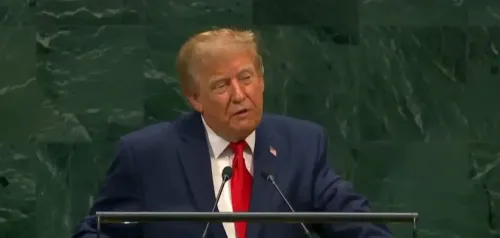
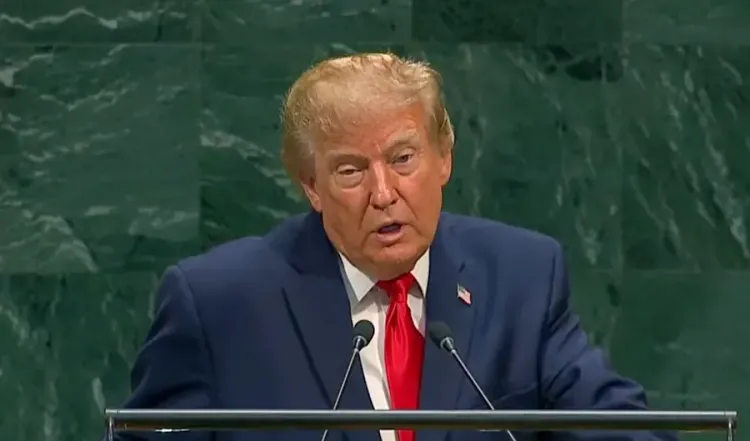
US President Donald Trump issued a stark ultimatum to Iran on Tuesday, 22 September, threatening to “annihilate” the Islamic Republic if it refused to reach a negotiated settlement with Washington — delivering the warning from the floor of the UN General Assembly in New York. The address confronted Tehran with what Trump framed as a binary choice: a prosperity-enabling deal or swift military destruction.
The Ultimatum in Trump’s Own Words
Speaking directly to the assembly, Trump posed the question in blunt terms. “Or do I annihilate the Islamic Republic and do it quickly, never giving them a chance to kill and destroy people and countries again?” he said. “Do I drive them into hell with no chance of survival and no hope of future greatness or generations?”
He simultaneously held out an olive branch, saying Iran could “make a deal” that would allow it to “rebuild and become a prosperous country.” The contrast was deliberate — maximum pressure framed alongside a diplomatic exit ramp.
Trump Predicts a Deal After US Midterms
Despite the inflammatory language, Trump expressed confidence that Tehran would eventually come to the table. “I believe we’ll make a deal right after the election because it doesn’t make sense for them not to,” he said. He claimed Iran was watching his performance in the US midterm elections before deciding, even as he acknowledged he would not personally be on the ballot — though he said he planned to campaign for Republican candidates.
On nuclear ambitions, Trump was unequivocal: “The only thing that does is that Iran will never have a nuclear weapon.”
Operation Epic Fury and the Military Toll on Iran
Trump claimed that a US military operation he called ‘Operation Epic Fury’ had already destroyed Iran’s navy, air force, radar systems and much of its missile and drone manufacturing capacity. He said the only thing that remained intact was Iran’s surging inflation, which he claimed had exceeded 300%.
He also stated that the US Navy had escorted more than one billion barrels of oil through the Strait of Hormuz since the conflict began, adding that oil flows through the waterway were now at their highest point since the war started. Trump additionally rejected suggestions that the US was running low on weapons, saying Washington had “more munitions than it could use” and was replenishing stockpiles “at unprecedented speed.” He said 18 new munitions plants were under construction.
Trump also accused Tehran of violating a ceasefire meant to create space for nuclear negotiations, and thanked the UN Security Council for adopting a resolution condemning attacks on commercial shipping vessels.
Gaza, Ukraine and Other Key Remarks
Turning to Gaza, Trump said his administration had helped end the war and secured the return of all remaining hostages — both living and dead. He said the UN Security Council had unanimously endorsed his 20-point Gaza peace plan and approved a Board of Peace, which he chairs. Nearly 30 countries had joined the board, he noted, and several had contributed billions of dollars for relief and reconstruction.
On Ukraine, Trump said Washington was “working very closely” with the leaders of both Russia and Ukraine to end the war, predicting resolution “more quickly than people understand.”
Trump also criticised the International Criminal Court (ICC) and called on member countries to withdraw from it. He rejected international efforts to regulate artificial intelligence, announcing his administration would adopt the term “Superintelligence” in its policy framing.
Context: A Charged Stage at the UN
The annual UN General Assembly brings world leaders to New York for high-stakes speeches and diplomatic engagements on conflicts, economic pressures and global security. This year’s gathering has been dominated by the Iran standoff, the Gaza aftermath and the Ukraine war. Trump’s address — combining threats, deal-making overtures and sweeping geopolitical claims — will be closely parsed in Tehran and world capitals alike. How Iran responds in the weeks ahead, particularly in the run-up to the US midterms, will determine whether the diplomatic off-ramp Trump dangled is taken seriously.
Point of View
Not impulsive. The claim that ‘Operation Epic Fury’ has already gutted Iran’s military, if verified, would represent one of the most significant degradations of a regional power’s conventional capacity since the Gulf War. Yet the inflation figure — ‘well over 300%’ — raises as many questions as it answers: a country that broken economically may be harder to negotiate with, not easier. The framing of a UN speech as a pre-midterm pressure campaign is itself notable; Trump is asking Tehran to read domestic American electoral cycles as the primary variable in a life-or-death geopolitical decision.
NationPress
22 Sept 2026
Frequently Asked Questions
What did Trump say about Iran at the UN General Assembly?
Trump threatened to ‘annihilate’ Iran if it refused to reach a deal with Washington, delivering the warning during his address to the UN General Assembly on 22 September 2026. He framed it as a binary choice: a negotiated settlement leading to prosperity, or swift military destruction.
Does Trump think Iran will agree to a deal?
Yes — Trump said he believed Iran would agree to a settlement right after the US midterm elections. He said it ‘doesn’t make sense’ for Tehran not to, and claimed Iran was watching how he performed in those elections before deciding.
What is ‘Operation Epic Fury’?
Trump claimed ‘Operation Epic Fury’ was a US military operation that destroyed Iran’s navy, air force, radar systems and much of its missile and drone manufacturing capacity. He did not provide independent verification, and the claim should be treated as attributed to the President.
What did Trump say about Gaza and Ukraine at the UN?
Trump said his administration had helped end the Gaza war and secured the return of all remaining hostages. On Ukraine, he said Washington was working closely with Russian and Ukrainian leaders and predicted the war would end ‘more quickly than people understand.’
Why did Trump criticise the International Criminal Court at the UN?
Trump called on UN member countries to withdraw from the International Criminal Court, rejecting its jurisdiction. He also dismissed international AI regulation efforts and said his administration would use the term ‘Superintelligence’ instead.