Is Trump's Board of Peace Overlooking Terror Sponsors?
Synopsis
The United States' creation of a 'Board of Peace' featuring Pakistan raises serious questions about accountability and the definition of peace. As terrorism persists, how can the US overlook Pakistan's troubling history while promoting peace?
Key Takeaways
US Board of Peace includes Pakistan, raising concerns.
Pakistan's role in terrorism complicates peace efforts.
Accountability is essential for genuine peace.
India must remain vigilant regarding its security.
Peace initiatives should avoid political biases.
New Delhi, Jan 25 (NationPress) The irony of the United States forming a 'Board of Peace' that features Pakistan as a prominent member is hard to ignore.
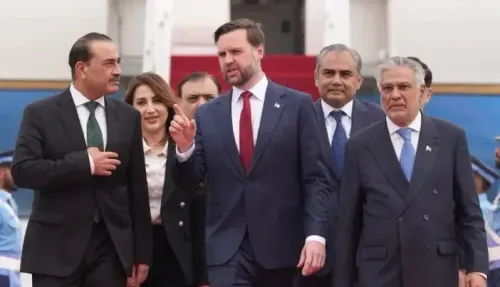
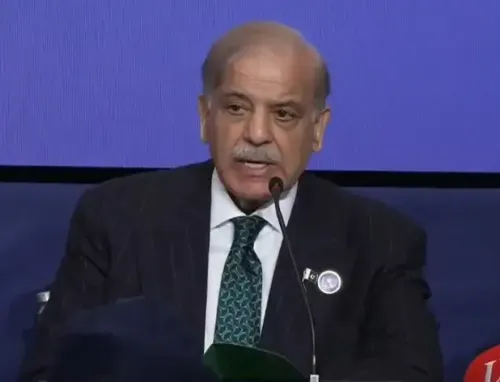
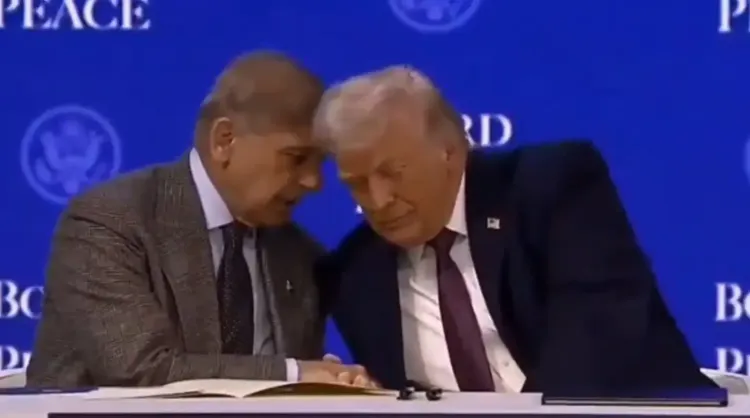
The scenes from Davos, where US President Donald Trump engaged in a close dialogue with Pakistan's Prime Minister Shehbaz Sharif, were not just symbolic; they revealed a concerning indifference to crucial realities.
Pakistan's track record is clear and well-documented. It is a nation long accused of sponsoring cross-border terrorism against India, resulting in thousands of deaths and the displacement of many.
The 26/11 Mumbai attacks were orchestrated by terrorists originating from Pakistan. Furthermore, Osama bin Laden, the mastermind behind the 9/11 attacks, was discovered hiding in Abbottabad, alarmingly close to a significant Pakistani military base.
Recently, the terror attack in Pahalgam on April 22 highlighted the ongoing nature of this threat. For decades, India has faced terrorism fueled by Pakistan, a fact well recognized by the United States.
In addition to terrorism, Pakistan's domestic situation offers little comfort. The severe repression of dissent in regions like Balochistan and Khyber Pakhtunkhwa, allegations of manipulated elections, compromised judicial systems, military control over civilian matters, and systemic discrimination against minorities illustrate the nation's struggle to maintain basic democratic principles.
Remarkably, Pakistan still holds a significant position on Trump's Board of Peace.
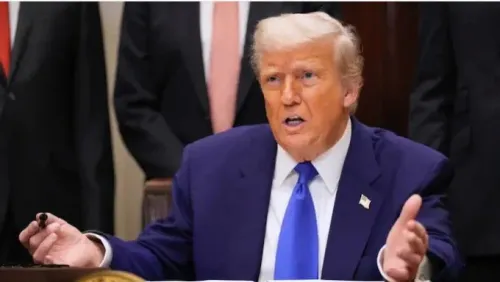
When announcing the board, Trump spoke of ending decades of suffering, halting cycles of hatred, and crafting a 'beautiful, everlasting and glorious peace.' While the sentiment sounds noble, it begs the question: can peace truly be achieved without dismantling terror networks and holding state sponsors like Pakistan accountable?
The Board of Peace seems less like a genuine multilateral effort and more like a political tool aimed at circumventing post-war international institutions in favor of a US-centric authority. History indicates that when peace becomes politicized, exercising caution becomes essential.
India's skepticism stems from its experiences, not cynicism. In recent years, New Delhi has observed instability unfold in neighboring nations like Bangladesh, Sri Lanka, the Maldives, and Nepal, often influenced by external factors and selective global interventions.
Peace initiatives that claim neutrality often harbor hidden agendas, shaping narratives through soft power, moral pressure, and media influence rather than through democratic legitimacy or accountability.
The risk lies not in the quest for peace but in how it is defined and enforced. Many such initiatives operate outside recognized multilateral frameworks, presenting simplified views of intricate conflicts while ignoring historical context. Accountability is frequently demanded only of those willing to engage in dialogue—not of those who actively undermine it.
This asymmetry is especially troubling for India. Years of cross-border terrorism, proxy wars, and attempts to internationalize internal security issues have continually tested its patience.
The historic bus journey to Lahore in 1999 by former Prime Minister Atal Bihari Vajpayee was a sincere peace gesture. The subsequent Kargil conflict served as a harsh reminder of the dangers of misplaced trust.
Thus, it is reasonable to question how a 'Board of Peace' can include a nation that has consistently jeopardized peace. Has the US forgotten the lessons learned from Abbottabad, or has strategic convenience overshadowed memory? The visible camaraderie between Trump and Pakistan's military leadership only heightens these apprehensions.
India, which has contributed the philosophies of Buddha and Mahatma Gandhi to the world, does not require lectures on peace. It views peace not as a performance but as a duty. Hence, New Delhi must respond to Trump's invitation to join the Board of Peace with prudent caution.
The board's declared mission, overseeing the Gaza ceasefire and reconstruction, has already expanded in scope, with Trump suggesting it might supplant the United Nations in resolving global disputes. Such aspirations, devoid of institutional checks or inclusivity, should alarm any serious democracy.
With Pakistan striving to position itself as a crucial intermediary, there is a genuine risk that it could exploit such platforms to revive its Kashmir narrative. India has consistently countered these maneuvers in the United Nations and other arenas, and its diplomatic capabilities remain robust. Nevertheless, vigilance remains paramount.
Peace that disregards history, condones terrorism, and rewards duplicity is not genuine peace—it is merely an illusion. Pakistan is a terror incubator, and it is regrettable that the US has chosen to ignore this truth.
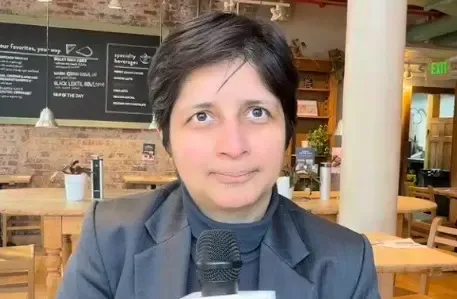
(Deepika Bhan can be contacted at deepika.b@ians.in)
Point of View
I affirm that the integrity of peace initiatives must be upheld. India's experience with cross-border terrorism necessitates a cautious approach to any peace process involving nations with a notorious history. Accountability and a robust understanding of regional dynamics are paramount for any meaningful progress.
NationPress
1 Oct 2026
Frequently Asked Questions
What is the significance of Trump's Board of Peace?
Trump's Board of Peace aims to address global conflicts but raises concerns about including nations with histories of sponsoring terrorism.
How does Pakistan's history affect peace initiatives?
Pakistan's long-standing involvement in cross-border terrorism complicates its role in peace initiatives, necessitating accountability.
What should India's stance be on this board?
India should approach the Board of Peace cautiously, given its experiences with terrorism and the need for accountability in peace processes.
Can peace be achieved without addressing terrorism?
True peace requires dismantling terror networks and holding state sponsors accountable before any meaningful dialogue can occur.
What are the risks of a US-centric peace initiative?
A US-centric initiative may overlook critical historical contexts and prioritize political agendas over genuine peace efforts.