Why is Pakistan's Government Joining Trump's 'Board of Peace'?
Synopsis
In a surprising move, the Pakistani government has decided to join Trump's controversial 'Board of Peace', sparking outrage among opposition leaders. Critics argue that this decision undermines Palestinian governance and raises concerns about neo-colonialism. Explore the implications of this decision and the reactions from key political figures in Pakistan.
Key Takeaways
Pakistan's decision to join Trump's 'Board of Peace' raises eyebrows.
Opposition leaders criticize the move as morally flawed .
The initiative could undermine Palestinian self-governance .
Concerns about neo-colonialism are prevalent among critics.
Former Ambassador Maleeha Lodhi labels the decision as unwise .
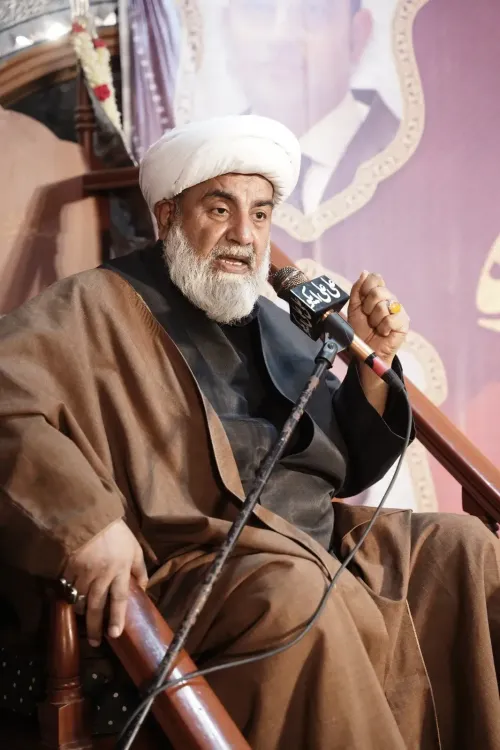
Islamabad, Jan 22 (NationPress) Allama Raja Nasir Abbas, a prominent Opposition figure in Pakistan's Senate, has condemned the nation's decision to affiliate with US President Donald Trump's 'Board of Peace', labeling it as morally wrong and indefensible, both on ethical grounds and policy.
In a statement shared on X, Allama Raja Nasir Abbas remarked, "This initiative was flawed from its inception. Designed as an externally governed framework for post-conflict Gaza, it essentially strips governance rights from the Palestinian populace. By assigning reconstruction, security, and political oversight to external parties, the initiative bears the unmistakable mark of a neo-colonial project. Such structures seldom stop at mere administration. Over time, Trump’s initiative will undermine the very right to self-determination it purports to protect."
"What makes Pakistan’s involvement particularly concerning is that a mechanism initially framed as a limited tool for post-genocide reconstruction in Gaza is now being openly broadened. Remarks from its main backer and the draft charter indicate aspirations that extend well beyond Palestine, showing scant regard for the United Nations. The lack of definitive UN oversight and the expanding mandate of the board suggest a move to replace or at least diminish the current multilateral system," he continued.
Mustafa Nawaz Khokhar, Vice Chairman of Tehreek-e-Tahafuz-e-Ayin-e-Pakistan (TTAP), emphasized that Pakistan's choice to join the board without public discourse or parliamentary consultation "demonstrates the regime's blatant disregard for the Pakistani populace."
In a post on X, he stated, "The so-called 'Board of Peace' is a colonial initiative not only aimed at governing Gaza but also at establishing a parallel system to the UN. The board claims it will be 'a more agile and effective international peace-building entity.' The charter of this ‘board of peace’ grants Trump expansive powers to pursue his personal and U.S. agenda without safeguards against biased outcomes."
He noted, "All other members can be appointed or dismissed by the Chairman (Trump). He holds the authority to decide when the board convenes or what topics are discussed. In this new structure, Trump would possess an absolute veto. The requirement of a billion-dollar fee for a permanent seat effectively creates an elite club, and the implications of such clubs are often unpredictable!"
Maleeha Lodhi, Pakistan's former Ambassador to the US, UK, and UN, described the decision to join the Trump Board of Peace as unwise for numerous reasons.
"This decision is imprudent for various reasons. The government has ignored the fact that Trump seeks to enroll states in the board to gain international endorsement and legitimacy for his unilateral actions. The board's scope is extensive and extends beyond Gaza, which is another reason to abstain from joining," Lodhi commented on X.
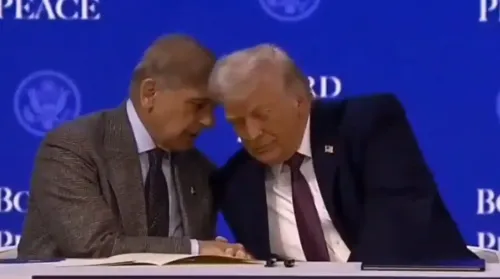
This announcement follows the declaration from Pakistan's Ministry of Foreign Affairs that the country will join the Board of Peace as part of its ongoing commitment to support the Gaza Peace Plan as outlined under UN Security Council Resolution 2803. The statement expressed optimism for concrete actions towards achieving a permanent ceasefire, enhancing humanitarian assistance for Palestinians, and rebuilding Gaza.
Point of View
I believe that Pakistan's decision to join the 'Board of Peace' warrants deeper scrutiny. While the government aims to support peace in Gaza, we must prioritize the voices and rights of the Palestinian people. National interests and ethical considerations should guide our foreign policy decisions.
NationPress
22 Sept 2026
Frequently Asked Questions
What is the 'Board of Peace'?
The 'Board of Peace' is a controversial initiative proposed by US President Donald Trump to manage post-war Gaza, which critics claim undermines Palestinian governance.
Why did Pakistan decide to join the 'Board of Peace'?
Pakistan's government aims to support peace in Gaza as part of its commitment to international cooperation under UN Security Council Resolution 2803.
What are the criticisms regarding Pakistan's involvement?
Opposition leaders argue that joining the board is morally unacceptable and could lead to neo-colonial oversight of Palestinian governance.
Who are the key figures opposing this decision?
Key figures include Allama Raja Nasir Abbas and Mustafa Nawaz Khokhar, who have publicly condemned the government's choice.
What implications could this decision have for Pakistan?
The decision may affect Pakistan's international relations and its standing within the Muslim world, particularly regarding support for Palestine.