Tamil Nadu debt ₹13.18 lakh crore: TVK white paper draws praise and fire
Synopsis
The TVK government's white paper puts Tamil Nadu's total liabilities at ₹13.18 lakh crore — a staggering figure that has united BJP and DMK in criticism, for opposite reasons. BJP asks how Vijay will fund ₹47,000 crore in welfare promises on a broken balance sheet; DMK says the data itself is wrong. The document is as much a political opening move as a fiscal one.
Key Takeaways
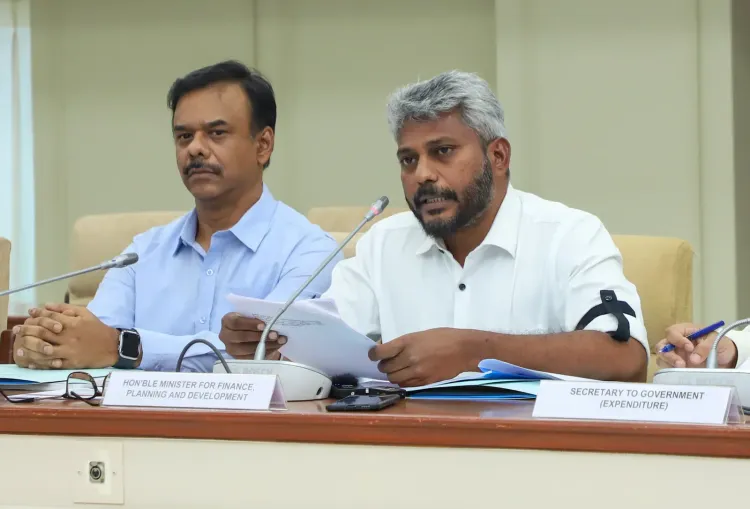
Tamil Nadu Finance Minister Marie Wilson released a white paper on 17 June 2025 disclosing total state liabilities of ₹13.18 lakh crore .
Direct debt alone stands at nearly ₹10 lakh crore , up from approximately ₹5 lakh crore when the DMK came to power.
BJP welcomed the white paper but questioned how TVK will fund welfare promises worth over ₹58,910 crore , including ₹47,000 crore for women and ₹11,910 crore for farmers.
Former Finance Minister Thangam Thennarasu of the DMK called the white paper a 'stunt' and said its data is incorrect, pledging a counter-release of figures.
The white paper is among Chief Minister C.
Joseph Vijay's first major policy moves since being sworn in last month.
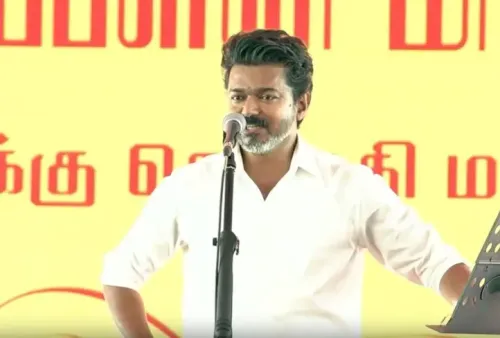
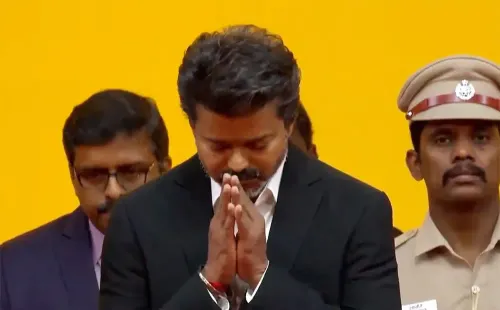
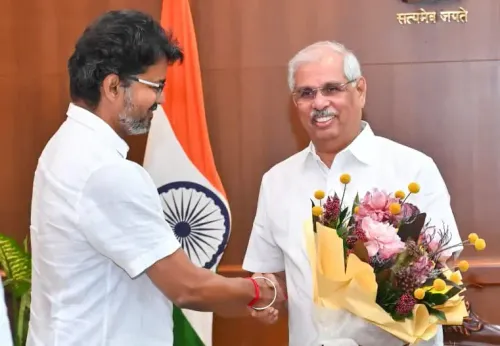
The newly elected Tamilaga Vettri Kazhagam (TVK) government led by Chief Minister C. Joseph Vijay released a white paper on 17 June 2025 revealing Tamil Nadu's total financial liabilities at approximately ₹13.18 lakh crore, with direct debt alone nearing ₹10 lakh crore. The document, tabled by Finance Minister Marie Wilson, has simultaneously drawn commendation and sharp criticism from both the opposition Bharatiya Janata Party (BJP) and the outgoing Dravida Munnetra Kazhagam (DMK).
What the White Paper Reveals
The white paper provides a comprehensive accounting of Tamil Nadu's fiscal position inherited from the MK Stalin-led DMK administration, which was voted out of power earlier this year. According to the document, the state's outstanding liabilities have accumulated to ₹13.18 lakh crore in total, with the direct debt component alone approaching ₹10 lakh crore. The release marks one of the Vijay government's first major policy announcements since being sworn in as Chief Minister last month.
BJP: Praise With Pointed Questions
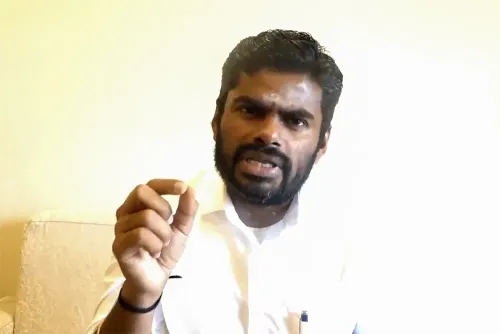
BJP welcomed the white paper's release, arguing it exposed the scale of misgovernance under previous administrations. However, the party was quick to turn the spotlight on the TVK government's own commitments. BJP leader Tamilisai Soundararajan questioned the new dispensation's ability to fund its own election promises, stating: 'BJP-ruled states have been able to manage economic crisis even in the post-COVID situation, why was Tamil Nadu unable to do so? Apart from that, while they are releasing a white paper, what steps are they planning to take to improve the economy? Under their promises, cash assistance for women covers 1.57 crore beneficiaries and requires around ₹47,000 crore. Similarly, the cash support for farmers requires ₹11,910 crore.'
She added: 'My question is, how are they going to fulfil these promises? When they knew the state's condition, why did they promise such largesse?' Another BJP leader, Narayanan Thirupathy, questioned the purpose of the exercise altogether, noting that the debt figures were already publicly available before the DMK left office. He pointed out that the debt stood at around ₹5 lakh crore when the DMK came to power and had risen to nearly ₹10 lakh crore by the time it departed.
DMK Calls It a Political Stunt
The DMK pushed back strongly, dismissing the white paper as a diversionary tactic. Former Finance Minister and DMK leader Thangam Thennarasu described the document as a 'stunt' to cover up the TVK government's own failures in fulfilling poll promises, arguing that the state's fiscal position had already been laid out in detail during the state budget presentation. DMK spokesperson T. K. S. Elangovan said Thennarasu had declared the data in the white paper to be incorrect and would shortly release detailed figures to expose what he called inaccuracies and fallacies in the document.
The Broader Fiscal Context
This is not the first time a newly elected government in Tamil Nadu has used a white paper to frame inherited fiscal conditions as a political narrative. The practice has precedent across Indian states — newly sworn-in administrations routinely commission such documents to distance themselves from a predecessor's record and set expectations for governance. Critics argue, however, that the exercise risks becoming a shield against accountability for the incoming government's own promises. Notably, the TVK government's welfare commitments — totalling tens of thousands of crores — were made with full knowledge of the state's debt trajectory, raising legitimate questions about fiscal sustainability.
What Happens Next
The DMK has signalled an imminent counter-release of figures challenging the white paper's data. The credibility of both sets of numbers will likely be tested when the TVK government presents its first full state budget. For now, the white paper has succeeded in putting Tamil Nadu's fiscal stress at the centre of public debate — even as the political battle over who bears responsibility for it is only beginning.
Point of View
Lower expectations, and buy political cover. But it cuts both ways: the TVK government made its welfare promises knowing the debt trajectory, and the BJP is right to ask how ₹58,910 crore in commitments will be funded on a balance sheet this stretched. The DMK's counter-claim that the data is wrong adds a data-integrity dimension that will be hard to ignore when the first TVK budget arrives. If the figures are contested by the very people who ran the finances, Tamil Nadu's fiscal debate risks becoming a war of spreadsheets rather than a roadmap for recovery.
NationPress
26 Sept 2026
Frequently Asked Questions
What does Tamil Nadu's TVK government white paper say?
The white paper, released on 17 June 2025 by Finance Minister Marie Wilson, puts Tamil Nadu's total financial liabilities at approximately ₹13.18 lakh crore, with direct debt alone nearing ₹10 lakh crore. It examines the fiscal position inherited from the outgoing DMK administration led by MK Stalin.
Why has the BJP criticised the TVK government despite welcoming the white paper?
The BJP welcomed the white paper as evidence of DMK misgovernance but questioned how the TVK government plans to fund its own election promises — including ₹47,000 crore for cash assistance to women and ₹11,910 crore for farmers — given the state's precarious finances. BJP leader Tamilisai Soundararajan asked why such promises were made when the fiscal situation was already known.
Why is the DMK opposing the white paper?
The DMK has called the white paper a political stunt designed to divert attention from the TVK government's own governance failures and unmet poll promises. Former Finance Minister Thangam Thennarasu has said the data in the document is incorrect and has pledged to release detailed counter-figures.
How much has Tamil Nadu's debt grown under the DMK?
According to BJP leader Narayanan Thirupathy, Tamil Nadu's debt stood at around ₹5 lakh crore when the DMK came to power and had risen to nearly ₹10 lakh crore by the time the party left office — a figure the DMK itself had acknowledged publicly.
What happens next after the Tamil Nadu white paper release?
The DMK has signalled an imminent release of counter-data challenging the white paper's figures. The TVK government's first full state budget will be the real test of its fiscal roadmap, particularly how it plans to reconcile large welfare commitments with the state's debt burden.