BJP slams Tamil Nadu TVK govt over ₹1,614 cr investment loss to Andhra Pradesh
Synopsis
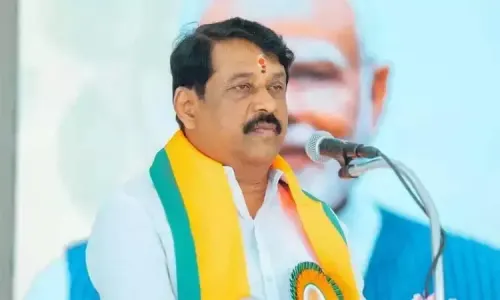
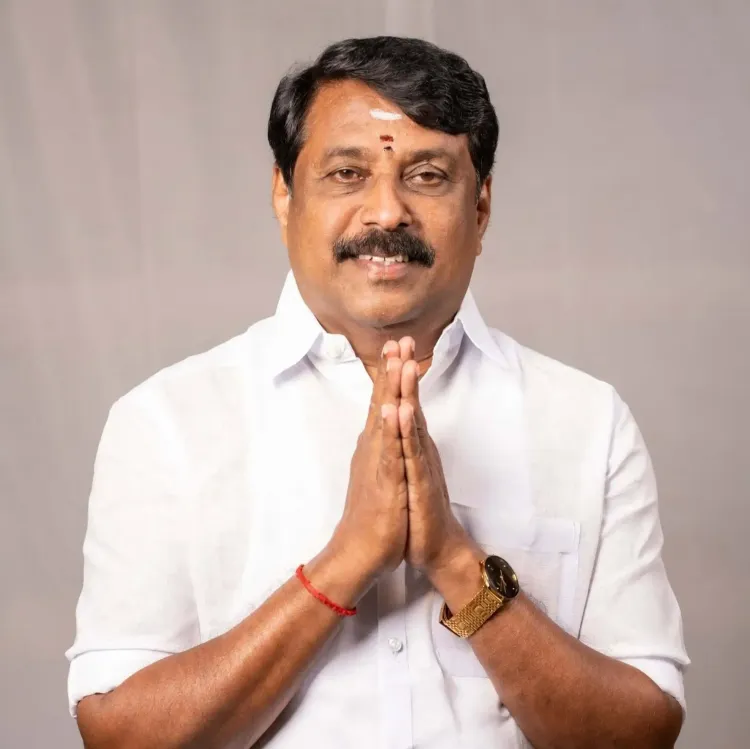
Tamil Nadu BJP president Nainar Nagenthran has hit the Vijay-led TVK government on two fronts at once: alleging that administrative inaction handed ₹1,614 crore in South Korean auto-component investments to rival Andhra Pradesh, and demanding a DVAC probe after a sitting minister disclosed an alleged ₹5-crore bribe offer that was never formally reported. For a state that bills itself as India's auto-manufacturing hub, both charges sting.
Key Takeaways
Tamil Nadu BJP president Nainar Nagenthran on 3 November accused the TVK government of losing ₹1,614 crore in investment to Andhra Pradesh .
Three South Korean auto-component firms — Hwashin , Seoyon , and Iwamet — signed MoUs with Andhra Pradesh after reportedly holding preliminary talks with Tamil Nadu; the projects would have created 1,418 jobs .
Nagenthran blamed Industries Minister S.
Keerthana for failing to pursue the proposals and accused the government of focusing on Chief Minister Vijay's overseas publicity over industrial development.
The BJP leader also demanded a formal explanation and DVAC investigation into Minister Rajmohan's disclosure of an alleged ₹5-crore bribe offer linked to the chairmanship of the Tamil Nadu Eyal Isai Nataka Manram .
The TVK government had not issued a formal response to either set of allegations as of this report.
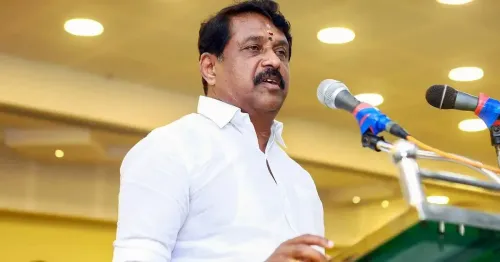
Tamil Nadu Bharatiya Janata Party (BJP) president Nainar Nagenthran on Tuesday, 3 November launched a sharp two-pronged attack on the Chief Minister C. Joseph Vijay-led Tamilaga Vettri Kazhagam (TVK) government, accusing it of administrative failure that allegedly cost the state ₹1,614 crore in industrial investments, and demanding a formal probe into an alleged ₹5-crore bribe offer involving a sitting state minister.
Investments Lost to Andhra Pradesh
Nagenthran alleged that three South Korean companies — Hwashin, Seoyon, and Iwamet — had reportedly held preliminary discussions with Tamil Nadu authorities before ultimately choosing to set up manufacturing facilities in Anantapur district of Andhra Pradesh. The three firms, which supply components to automobile manufacturers Hyundai and Kia, have since signed memorandums of understanding with the Andhra Pradesh government, committing a combined investment of ₹1,614 crore.
The proposed projects are expected to create employment for approximately 1,418 people. Nagenthran questioned why Tamil Nadu — with its well-established automobile manufacturing ecosystem anchored by plants in Chennai — had failed to convert the early-stage discussions into firm commitments.
BJP's Criticism of Industrial Policy
The BJP leader squarely blamed Industries Minister S. Keerthana for not pursuing the investment proposals with sufficient urgency. He alleged that the government was prioritising Chief Minister Vijay's overseas tours and publicity campaigns over substantive industrial outreach. Nagenthran argued that securing large-scale investments demands sustained negotiations, prompt administrative decisions, and investor-friendly policies — not promotional exercises.
This comes amid a broader debate over Tamil Nadu's industrial competitiveness. The state has historically been among India's top manufacturing destinations, particularly in the automobile, electronics, and textile sectors. Critics argue that losing component suppliers for Hyundai and Kia — two brands with a significant manufacturing presence in Tamil Nadu — is a particularly pointed outcome that signals possible policy gaps at the state level.
Demand for Probe into Alleged ₹5-Crore Bribe Offer
In a separate statement issued the same day, Nagenthran demanded a formal explanation from Minister Rajmohan regarding the minister's own disclosure that an unidentified individual had allegedly offered him ₹5 crore to secure the chairmanship of the Tamil Nadu Eyal Isai Nataka Manram, a state-controlled cultural institution. According to the minister's account, the alleged offer was reportedly conveyed through Tamil Nadu Textbook and Educational Services Corporation chairman Layola Mani.
Nagenthran questioned why Rajmohan had not disclosed the identity of the alleged offender and had not filed a complaint with the Directorate of Vigilance and Anti-Corruption (DVAC). He also asked why the minister had not used the state government's own anti-corruption helpline to report the incident. The BJP leader said Layola Mani's alleged involvement warranted an independent investigation and called on the government to ensure full transparency in appointments to state-controlled bodies.
Governance Under the Spotlight
The twin allegations — a major investment gap and an unresolved bribery disclosure — have sharpened the BJP's political offensive against the relatively new Vijay administration. Notably, the TVK government, which came to power on the back of Chief Minister Vijay's mass public appeal, faces mounting scrutiny over whether its governance machinery is matching its electoral mandate. The BJP has used both issues to argue that the state's industrial credibility and institutional integrity are at risk.
The TVK government has not yet issued a formal response to either set of allegations as of this report. With assembly scrutiny and public attention on Tamil Nadu's investment climate intensifying, the government's next move on both fronts will be closely watched.
Point of View
Making silence costly. What is conspicuous is that Minister Rajmohan publicly revealed the alleged ₹5-crore offer but apparently neither filed a DVAC complaint nor named the accused — raising questions that go beyond political point-scoring and touch on institutional accountability. The TVK government's response, or continued absence of one, will set the early tone for how it handles opposition pressure on governance.
NationPress
3 Nov 2026
Frequently Asked Questions
Why does Tamil Nadu BJP say the state lost ₹1,614 crore in investments?
Tamil Nadu BJP president Nainar Nagenthran alleges that three South Korean auto-component companies — Hwashin, Seoyon, and Iwamet — chose to invest ₹1,614 crore in Andhra Pradesh's Anantapur district after preliminary discussions with Tamil Nadu failed to progress. He attributes the loss to administrative inefficiency and a lack of timely follow-up by the TVK government.
Which companies signed MoUs with Andhra Pradesh and what do they make?
Hwashin, Seoyon, and Iwamet — all South Korean firms — signed memorandums of understanding with the Andhra Pradesh government to set up manufacturing units in Anantapur district. The three companies supply components to automobile manufacturers Hyundai and Kia, and the projects are expected to generate around 1,418 jobs.
What is the ₹5-crore bribe allegation against the Tamil Nadu minister?
Minister Rajmohan disclosed that an unidentified individual allegedly offered him ₹5 crore to secure the chairmanship of the Tamil Nadu Eyal Isai Nataka Manram, reportedly conveyed through state Textbook Corporation chairman Layola Mani. BJP's Nagenthran has demanded that Rajmohan name the accused and file a formal complaint with the DVAC, noting that neither step has reportedly been taken.
Who is Nainar Nagenthran and why is he making these allegations?
Nainar Nagenthran is the president of the Tamil Nadu unit of the Bharatiya Janata Party (BJP). His allegations are part of the BJP's broader political offensive against Chief Minister C. Joseph Vijay's TVK government on issues of industrial policy and governance integrity.
Has the Tamil Nadu government responded to these allegations?
As of this report, the TVK government had not issued a formal response to either the investment-loss allegation or the demand for a probe into the bribery disclosure. Both the Chief Minister's Office and the ministers named have not publicly commented.