UP Assembly polls 2026: BJP, SP, BSP hold strategy meets as seven-month countdown begins
Synopsis
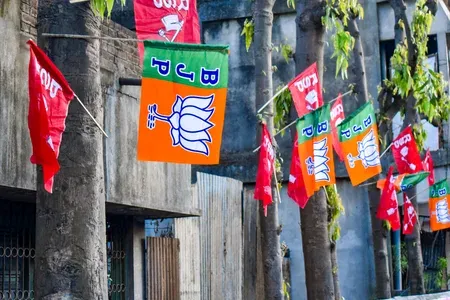
Seven months before Uttar Pradesh votes to fill 403 Assembly seats, the BJP, SP, and BSP have simultaneously launched formal election preparations — each with a distinct survival calculus. The BJP seeks an unprecedented third term; the SP is betting on a new caste coalition; the BSP and Congress are fighting to stay relevant. The battle for India's largest state is already underway.
Key Takeaways
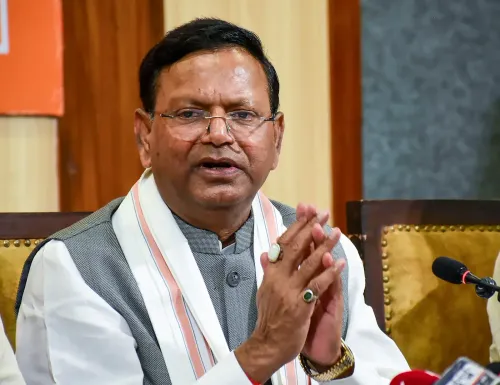
The BJP , SP , and BSP held separate strategy meetings in Lucknow on Monday , marking the formal start of poll preparations for the Uttar Pradesh Assembly elections 2026 .
The BJP convened a state workshop with approximately 700 office-bearers ; the SP reviewed voter list work with district presidents; BSP district heads met on organisational and financial readiness.
Akhilesh Yadav is building a 'PDA' coalition — Pichhda, Dalit, and Alpsankhyak — to challenge the BJP's Hindutva-plus-welfare combination.
Mayawati's BSP is attempting a revival after losing ground since 2014 ; the Congress won only two seats in the 2022 Assembly elections.
The BJP has held power in Uttar Pradesh continuously since 2017 and is targeting a third successive term under Chief Minister Yogi Adityanath .
With Uttar Pradesh Assembly elections roughly seven months away — set to fill 403 Legislative Assembly seats — major political parties have launched formal pre-poll preparations, convening separate strategy sessions in Lucknow this week.
Key Developments
On Monday, the Bharatiya Janata Party (BJP), the Samajwadi Party (SP), and the Bahujan Samaj Party (BSP) each held independent strategic meetings in the state capital. A day earlier, Rashtriya Lok Dal (RLD) chief and Union Minister Jayant Chaudhary shared a poll blueprint with party leaders in Lucknow.
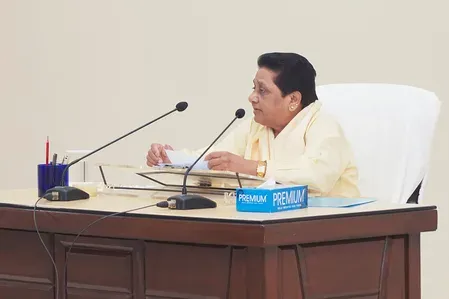
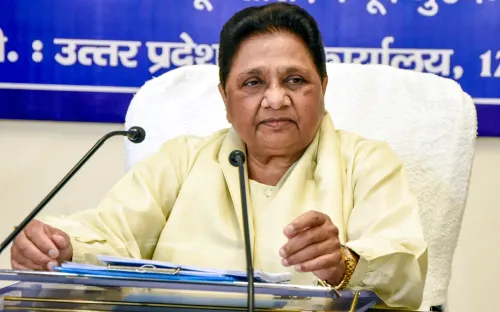
The BJP convened a state workshop attended by approximately 700 office-bearers, while the SP organised a review meeting with district and city presidents focused on voter list work. BSP district presidents gathered separately to deliberate on organisational strength, economic resources, and election readiness.
BJP's Strategy: Booth-Level Dominance and Welfare Outreach
The BJP, which has held power in Uttar Pradesh continuously since 2017, is pursuing a third successive term under Chief Minister Yogi Adityanath. The party's core voter base — upper castes, non-Yadav OBCs, and urban voters — is being supplemented by deliberate outreach to Dalit and women voters.
Its electoral playbook draws from the 2019 and 2024 Lok Sabha campaigns, combining Hindutva mobilisation with welfare schemes including free rations and housing. Senior leaders have stressed translating governance records into electoral dividends through meticulous booth-level organisation.
SP's PDA Coalition Gambit
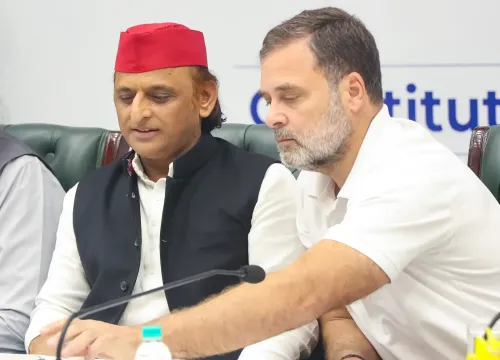
The Akhilesh Yadav-led SP is attempting to broaden its traditional Yadav-Muslim base into what he calls the 'PDA' coalition — where 'P' stands for Pichhda (backwards) or Pandits, 'D' for Dalits, and 'A' for Alpsankhyak (minorities) or Aadhi Aabadi (women).
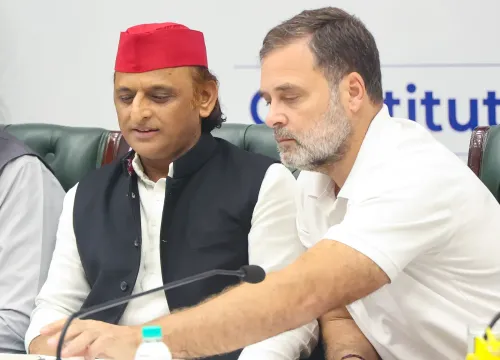
Yadav has repeatedly demanded a caste census, positioning himself as a social justice champion to counter the BJP's Hindutva narrative with caste-based arithmetic. Tactical tie-ups with smaller caste-based parties are widely anticipated. However, relations with the Indian National Congress (Congress) remain strained following the 2024 Lok Sabha elections, making a formal alliance uncertain despite Yadav's visible rapport with Leader of the Opposition Rahul Gandhi in Parliament.
BSP and Congress: Survival Battles
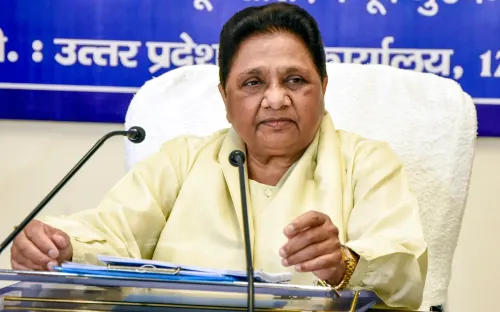
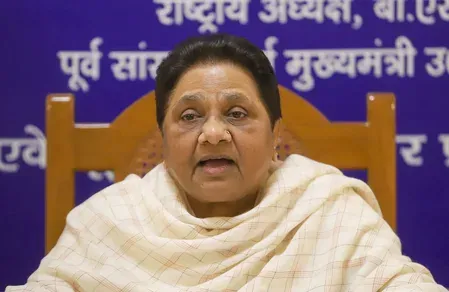
Mayawati's BSP is fighting to reverse years of decline. Once the architect of the Dalit-Brahmin Sarvajan coalition that delivered her the chief ministership in 2007, the BSP has struggled to retain relevance in the post-2014 landscape. Marginalised groups that once formed its base have drifted toward the BJP, and Mayawati's reluctance to enter alliances has repeatedly left the party isolated — though tactical seat adjustments, according to analysts, cannot be ruled out.
For the Congress, Uttar Pradesh represents an existential challenge. The party dominated the state from the 1950s through the 1980s, producing national leaders including the Nehru-Gandhi family, before losing ground to Mandal politics and the Ram Janmabhoomi movement after 1989. In the 2022 Assembly elections, the Congress won only two seats out of approximately 400 contested — a stark measure of its collapse. Weak leadership, the absence of a distinct social base, and a lack of defining issues compound the challenge.
What's at Stake
Uttar Pradesh, India's most populous state and its largest electoral unit, has long been regarded as the corridor to national power. For the BJP, retaining it is central to continuity and national dominance. For the SP, a victory would mark a return to relevance and substantially strengthen Akhilesh Yadav's bargaining position. For the BSP and Congress, the upcoming election is less about winning and more about survival as credible political forces. As formal preparations accelerate across party lines, the next several months will test whether organisational depth or coalition arithmetic proves decisive in this pivotal state.
Point of View
The party is not a spoiler but a seat-sink, and any SP-Congress entanglement risks diluting the opposition's credibility. Mayawati's isolation strategy, meanwhile, has consistently cost the BSP more than it has protected — the real question is whether she recalibrates before it is too late.
NationPress
15 Oct 2026
Frequently Asked Questions
When are the Uttar Pradesh Assembly elections 2026 expected?
The Uttar Pradesh Assembly elections are expected approximately seven months from late August, likely in early 2026, to elect 403 members of the state Legislative Assembly. No official election schedule has been announced yet by the Election Commission of India.
What did the BJP, SP, and BSP discuss in their Lucknow meetings?
The BJP held a state workshop with around 700 office-bearers focused on booth-level organisation; the SP reviewed voter list work with district and city presidents; and the BSP's district presidents met to discuss organisational strength and financial preparedness for the upcoming polls.
What is Akhilesh Yadav's PDA coalition strategy?
The PDA coalition is the SP's attempt to expand beyond its traditional Yadav-Muslim base. 'P' stands for Pichhda (backwards classes) or Pandits, 'D' for Dalits, and 'A' for Alpsankhyak (minorities) or Aadhi Aabadi (women) — a broad social alliance designed to counter the BJP's Hindutva-welfare combination with caste-based arithmetic.
How has the Congress performed in recent Uttar Pradesh elections?
The Congress won only two seats out of approximately 400 contested in the 2022 Uttar Pradesh Assembly elections, reflecting a long decline from its dominance of the state in the 1950s through the 1980s. Its alliance with the SP in 2017 also failed to revive its fortunes.
Why is Uttar Pradesh considered so important in Indian politics?
Uttar Pradesh is India's most populous state and its largest electoral unit, sending the highest number of MPs to the Lok Sabha. Control of the state is widely regarded as a key indicator of — and contributor to — national political dominance, making it the most consequential state election in the country.