Is the US Committed to an Aggressive Global Counterterrorism Strategy Against ISIS and Iran?
Synopsis
The Trump administration is intensifying its counterterrorism efforts globally, with a focus on dismantling terrorist networks and addressing threats from Iran and ISIS. The new counterterrorism nominee emphasizes collaboration with allies and the need for shared responsibilities to counter evolving threats.
Key Takeaways
Counterterrorism Focus: Dismantling global terror networks is crucial for national security.
Threats from Iran: Iran and its proxies remain a persistent challenge.
Shared Responsibility: Collaborating with allies is essential for effective counterterrorism.
Monitoring Extremism: Detention camps are breeding grounds for extremism.
Global Cooperation: Enhanced partnerships are necessary to combat decentralized jihadist networks.
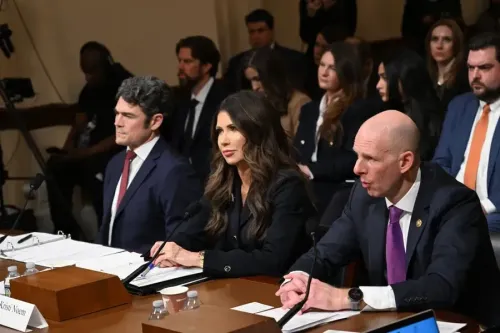
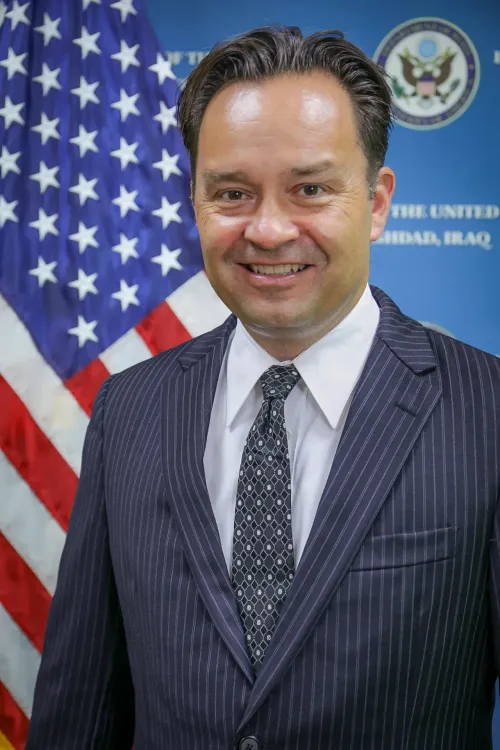
Washington, Dec 13 (NationPress) The Trump administration is resolute in its efforts to avert a significant terrorist attack on the US homeland by dismantling global terrorist networks, challenging state sponsors, and enhancing burden-sharing with allies, as articulated by the nominee for the nation's leading counterterrorism role. Gregory D. LoGerfo, who has been nominated as the coordinator for counterterrorism and ambassador-at-large at the State Department, informed the Senate Foreign Relations Committee that the nature of the terrorist threat to the US has transformed since the September 11 attacks, with entities like ISIS and al-Qaida still actively recruiting and inciting violence worldwide.
“ISIS and al-Qaida persist in their efforts to recruit, radicalize, and motivate their supporters around the globe to carry out attacks in their home nations,” LoGerfo remarked. “The recent attack on New Year’s Day in New Orleans served as a stark reminder of ISIS’s enduring reach, capabilities, and ambitions.”
LoGerfo emphasized that the administration’s counterterrorism strategy is aimed at “eliminating and disrupting terrorist networks, holding state sponsors responsible, fortifying our borders, and diminishing the ability of terrorist groups to pose a threat to the United States.”
He pointed out President Trump’s designation of “14 cartels and gangs as foreign terrorist organizations,” asserting that the administration would confront “the narco-terrorists wreaking havoc in our homeland and throughout the Western Hemisphere.”
LoGerfo also expressed concern over ongoing threats from Iran and its proxies, despite Tehran's diminished stance.
“While Iran has been significantly weakened, Tehran and its terrorist proxies, including the Houthis, Hezbollah, and Hamas, continue to destabilize the Middle East and demonstrate interest in extending their influence to other areas,” he stated.
He warned that US officials, journalists, Jewish communities, and Iranian dissidents might face increased threats.
“As we exert maximum pressure on Iran and its terrorist affiliates, we must remain vigilant about potential escalations in Iranian lethal planning globally,” LoGerfo asserted.
Regarding Afghanistan, LoGerfo noted that terrorist threats persist even after the fall of the ISIS territorial caliphate in Syria.
“We have taken decisive steps and are collaborating with partners to tackle the threat posed by ISIS Khorasan,” he said, indicating that Afghanistan and Pakistan remain areas of concern.
When discussing the Sahel, where ISIS and al-Qaida affiliates have increased their operations, LoGerfo mentioned the need for the US to prioritize burden-sharing with regional and European partners.
“When we share risks, we must also share burdens and resources,” he noted, highlighting growing collaboration with coastal West African nations like Côte d’Ivoire, Benin, and Togo.
LoGerfo committed to strengthening global counterterrorism collaborations, emphasizing that “America first does not signify America alone.”
He promised close communication with Congress and asserted that foreign aid would be closely monitored.
“I will ensure that our foreign assistance funds are utilized judiciously on effective initiatives designed to safeguard America and that each program undergoes thorough vetting and review,” he stated.
During a discussion with Senator Ted Cruz, LoGerfo affirmed his belief that the Muslim Brotherhood represents a threat to national security.
“Yes,” he responded when directly asked whether the group endangers US security.
He expressed that the administration would pursue additional designations “in line with the law” and work diplomatically with allies that have already classified the Brotherhood as a threat.
On Syria, LoGerfo mentioned that the US supports the repatriation and reintegration of individuals from detention camps like al-Hol and al-Roj, along with de-radicalization initiatives.
“These facilities have been and continue to be breeding grounds for extremism,” he emphasized, committing to enhancing counterterrorism programs aimed at supporting reintegration.
The US has spearheaded global counterterrorism efforts since September 11, adapting strategies to address decentralized jihadist networks, state-sponsored militancy, and emerging threats across Africa, the Middle East, and South Asia.
For India, US counterterrorism priorities are closely monitored, especially concerning ISIS-linked threats, Iran-backed groups, and transnational terror financing networks operating in the Indo-Pacific.
Point of View
Our stance is clear: the safety of the nation is paramount. The evolving nature of global terrorism requires a robust response. The commitment to counterterrorism is not just about defense; it’s about proactive measures and collaboration with allies to ensure a safer future for all.
NationPress
21 Sept 2026
Frequently Asked Questions
What is the US strategy to combat terrorism?
The US strategy involves dismantling global terrorist networks, holding state sponsors accountable, and enhancing cooperation with allies.
What threats are posed by Iran?
Iran and its proxies, like Hezbollah and Hamas, continue to destabilize the Middle East and pose threats to the US and its allies.
How does the Trump administration view the Muslim Brotherhood?
The Trump administration considers the Muslim Brotherhood a national security threat and seeks to pursue additional designations against them.
What are the ongoing threats in Afghanistan?
Despite the fall of the ISIS territorial caliphate, threats from ISIS Khorasan remain a significant concern in Afghanistan.
How is the US addressing the Sahel region's security issues?
The US emphasizes burden-sharing with regional partners in the Sahel, where ISIS and al-Qaida affiliates have expanded their operations.