How Will the US–India Trade Deal Impact Kansas Farms and Kentucky Bourbon?
Synopsis
Discover how the recent US–India trade framework is positively impacting Kansas farms and Kentucky's bourbon industry. This agreement promises to enhance market access, providing opportunities for agriculture and spirits exports.
Key Takeaways
New trade framework between the US and India supports agricultural exporters.
Kansas farmers gain market access for grain sorghum and soybean products.
Kentucky bourbon industry benefits from tariff reductions .
Congressional leaders advocate for trade provisions that support local economies.
Efforts to strengthen commercial ties amid global trade tensions continue.
Washington, Feb 10 (NationPress) A newly introduced US–India trade framework has garnered significant support from US lawmakers, with Kansas agricultural exporters and Kentucky's bourbon sector being among the first to benefit from enhanced access to the Indian market.
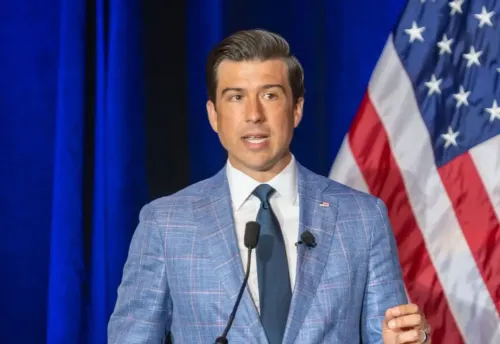
Congressman Derek Schmidt of Kansas noted that the agreement embodies priorities he advocated for with US trade officials last year, including market access for grain sorghum, dried distillers’ grains, and soybean products.
“The potential of the Indian market is tremendous and essential for Kansas agricultural exporters as the situation with China continues to change,” Schmidt remarked. “I appreciate the Trump administration for prioritizing Kansas agricultural exports in this new framework and I will continue to collaborate with our trade officials to ensure Kansas producers and agribusinesses reap the rewards.”
Schmidt emphasized that he had discussed this matter with the US Trade Representative in May, urging negotiators to concentrate on farm exports crucial to Kansas. The finalized framework includes all three commodities he mentioned.
Kansas is the leading producer of grain sorghum in the US and a key player in the production of dried distillers’ grains, a byproduct commonly used in animal feed. The state's Second Congressional District houses soybean oil facilities in Cherryvale and Emporia.
“The economic climate in farm regions is tough,” Schmidt stated. “Therefore, this positive news is especially appreciated. I will persist in my efforts to open markets and support Kansas farmers, ranchers, and our rural economy.”
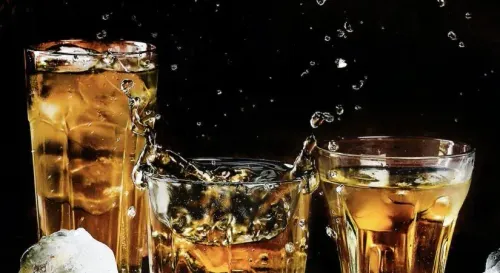
Meanwhile, in Kentucky, Congressman Andy Barr indicated that the agreement's tariff provisions for US spirits might mark a pivotal moment for the state's iconic bourbon industry. Barr serves as co-chair of the Congressional Bourbon Caucus and vice-chair of the Congressional India Caucus.
“Unrestricted access to one of the world's largest economic markets will significantly benefit our Kentucky bourbon businesses,” Barr noted. “President Donald Trump has previously delivered for bourbon by reducing taxes, leveling the playing field for distillers, and advocating for American-made products. Today, I raise a toast alongside Kentucky distillers to the President for securing a major new market for our esteemed bourbon industry.”
Industry representatives echoed this sentiment. Michael Bilello, president and CEO of the American Whiskey Association, expressed that tariff reductions would enhance the entire supply chain.
“Lowering India’s tariffs on American whiskey—especially on premium spirits from Kentucky, including exceptional bourbon and rye—is a substantial advancement for US distillers, farmers, and the broader supply chain supporting this iconic American product,” Bilello stated. He also acknowledged Barr as “a steadfast and effective advocate for American whiskey.”
The Distilled Spirits Council welcomed the framework, referencing prior tariff reductions by India and recent trade agreements New Delhi secured with Europe.
“The tariff reduction on US spirits imports to India last year was a crucial first step that opened new avenues for bourbon producers in the world’s largest whiskey market,” the council remarked. They expressed hope that the new agreement would ensure “fair and competitive access to the Indian marketplace.”
India is set to reduce its tariff on American bourbon from 150% to 100% by February 2025, following negotiations led by President Trump. During his initial term, Trump enacted the Craft Beverage Modernization and Tax Reform Act into law, a measure championed by Barr that lowered federal excise taxes and eased financing regulations for distillers.
The US–India trade framework forms part of a broader initiative by Washington and New Delhi to strengthen commercial relations amid changing global supply chains and trade tensions. Both governments have expressed intentions to work towards a more comprehensive bilateral trade agreement, building on recent sector-specific achievements.
Point of View
This agreement highlights the strategic importance of strengthening trade ties with India. It reflects the ongoing efforts by the US government to secure favorable conditions for American producers, ensuring that Kansas and Kentucky industries can thrive in the global market.
NationPress
27 Sept 2026
Frequently Asked Questions
What is the significance of the US–India trade deal?
The US–India trade deal is crucial as it opens new market opportunities for US agricultural products and spirits, benefiting states like Kansas and Kentucky.
How will Kansas farmers benefit from the trade deal?
Kansas farmers will have improved access to the Indian market for key exports such as grain sorghum and soybean products, enhancing their market potential.
What impact will this trade agreement have on Kentucky's bourbon industry?
The agreement is expected to reduce tariffs on Kentucky bourbon, providing distillers with better access to the Indian market and boosting sales.
Who advocated for these trade provisions?
Congressman Derek Schmidt of Kansas and Congressman Andy Barr of Kentucky played significant roles in advocating for the inclusion of agricultural exports and spirits in the trade deal.
When is the tariff reduction on American bourbon scheduled?
India plans to reduce its tariff on American bourbon from 150% to 100% by February 2025, following negotiations led by President Trump.