U.S.-Iran Ceasefire: A Fragile Truce Under Pressure
Synopsis
The recent ceasefire between the U.S. and Iran, described as a 'fragile truce' by Vice President J D Vance, is facing challenges from internal discord in Tehran. Explore the implications of this delicate agreement in the context of regional tension.
Key Takeaways
Ceasefire Description: The U.S.-Iran ceasefire is considered 'fragile' and under strain.
Internal Discord: Conflicts within Iran's leadership may jeopardize the agreement.
Objectives: The U.S. has reportedly achieved its military goals prior to the ceasefire.
Negotiation Dynamics: The future of the ceasefire hinges on Iran's negotiation approach.
Leverage: The U.S. has significant leverage if talks do not proceed constructively.
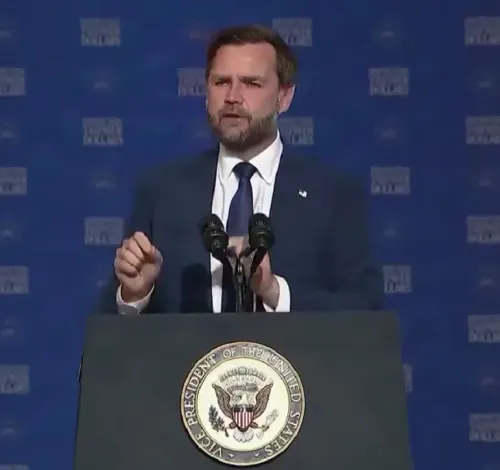
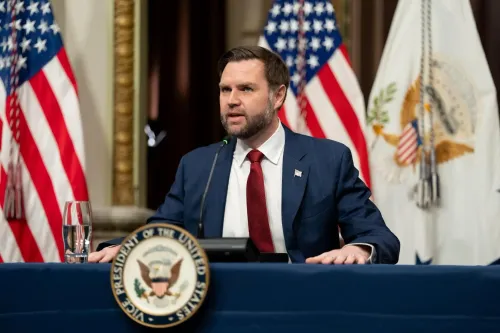
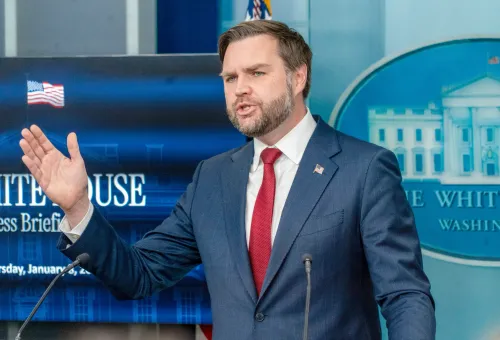
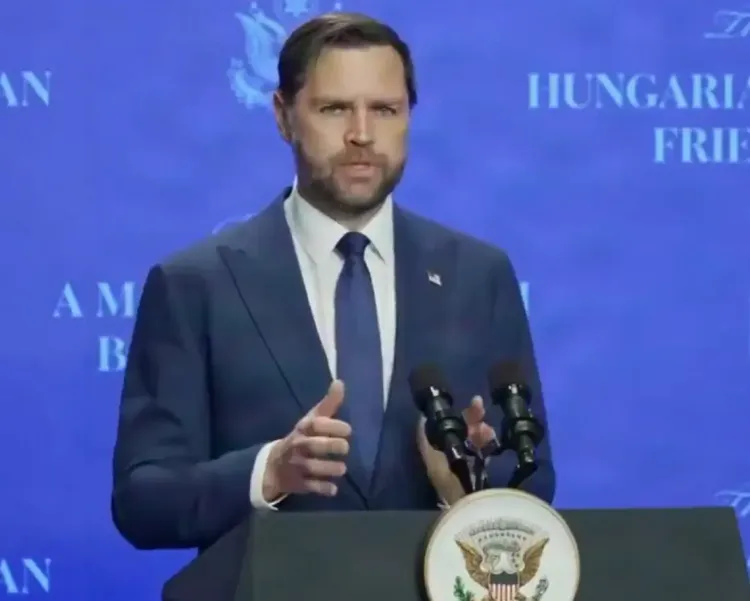
Washington, April 8 (NationPress) A recently concluded ceasefire between the United States and Iran is already experiencing strain, according to Vice President J D Vance, who described it as a 'fragile truce' jeopardized by internal discord within Tehran.
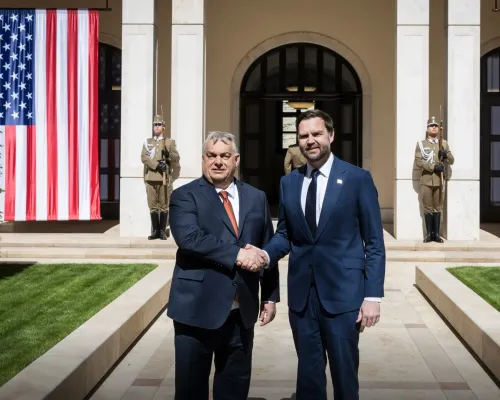
During an event in Budapest, Vance mentioned that the agreement, finalized just hours prior, represented a pause in hostilities but its sustainability remains uncertain.
“This is the basis of this fragile truce that we have,” he stated, highlighting that the deal was merely “eight to twelve hours old.”
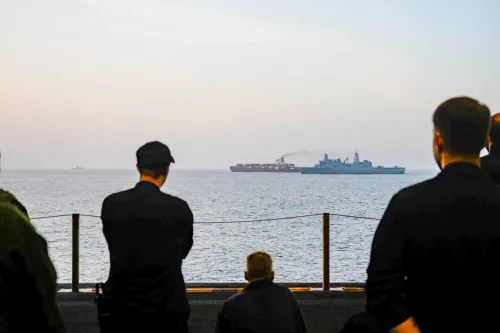
The ceasefire was initiated following a U.S. ultimatum to Iran to reopen key shipping lanes and cease actions that disrupted global commerce.
“This is why I say this is a fragile truce,” he emphasized.
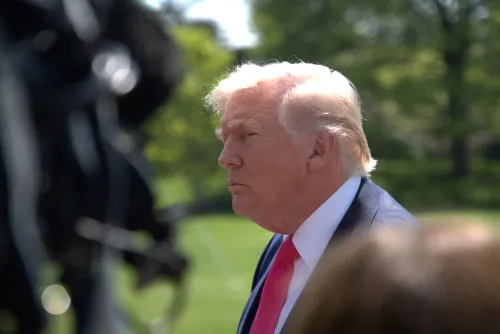
Vance referred to President Donald Trump’s directive to negotiators, stating, “He said, open up the straits… and we’ll engage in a ceasefire.”
According to the arrangement, Iran consented to restore passage through strategic waterways, while the United States and its allies agreed to stop military strikes.
“The Iranians have agreed to open up the straits. The United States agreed to stop attacking,” he explained.
Vance asserted that Washington’s military goals had already been met prior to the ceasefire.
“What the President set out to do was decimate the Iranian military… and that military objective… has been achieved,” he indicated.
Despite this diplomatic breakthrough, Vance warned that divisions among Iran’s leadership were complicating the current situation.
“You have, on one side, individuals in Iran who responded very favorably… and then you have others… who are essentially lying about what we’ve accomplished,” he pointed out.
“They’re lying about the nature of the agreement. They’re lying about the nature of the ceasefire.”
He noted that such contradictions are a significant reason the truce remains precarious and could collapse if not handled judiciously.
Vance remarked that President Trump had instructed his team to pursue diplomacy but made it clear that patience was limited.
“The President… has told us to negotiate in good faith,” he continued, adding that the U.S. side is prepared to reach a broader agreement if Iran engages positively.
“If they negotiate in good faith, we will be able to find a deal,” he stated.
At the same time, he cautioned that Washington retains considerable leverage should discussions fail.
“If they’re going to lie, if they’re going to cheat… then they’re not going to be happy,” he warned.
He referenced “clear military, diplomatic, and extraordinary economic leverage” available to the United States if necessary.
Currently, the ceasefire signifies a narrow diplomatic opening following a period of escalating conflict.
Vance concluded by stating that the next steps would depend entirely on Iran’s conduct at the negotiating table.
“Ultimately, it’s up to the Iranians how they negotiate,” he said, expressing hope that they would make the right decisions.
Point of View
This article highlights the complexities surrounding the recent ceasefire agreement between the United States and Iran. The mention of internal discord within Iran reflects the challenges of sustaining diplomatic progress in a politically fragmented environment. Understanding these dynamics is crucial for a comprehensive analysis of future relations.
NationPress
21 Oct 2026
Frequently Asked Questions
What is the status of the U.S.-Iran ceasefire?
The ceasefire is described as 'fragile' and is already experiencing strain due to internal discord in Iran.
What prompted the ceasefire agreement?
The ceasefire followed a U.S. ultimatum to Iran to reopen key shipping lanes and halt disruptive actions.
What are the next steps for the ceasefire?
The future of the ceasefire depends on Iran's approach at the negotiating table, as stated by Vice President J D Vance.
What are the U.S. military objectives in this context?
According to Vance, the military objectives had already been achieved before the ceasefire was established.
What leverage does the U.S. have if negotiations fail?
Vance cited clear military, diplomatic, and economic leverage available to the U.S. if Iran does not engage in good faith.