Is the WEF in Davos Ready to Tackle US Political Stability Amid Economic Strains?
Synopsis
As the World Economic Forum unfolds in Davos, it faces unprecedented challenges from the US's political maneuvers and economic policies. With looming tariffs and trade agreements, the global landscape is shifting. Explore how these dynamics could reshape international relations and economic collaboration.
Key Takeaways
WEF 2026 in Davos is addressing new economic and political challenges.
The US is pushing for a stable political order while imposing tariffs.
India and the EU are accelerating a Free Trade Agreement .
Trump's policies are reshaping international trade dynamics .
A framework agreement is expected to cover a significant trade volume.
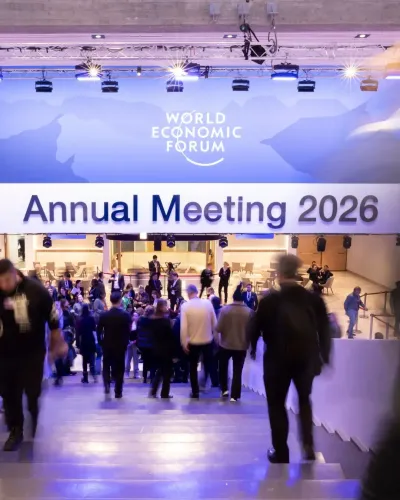
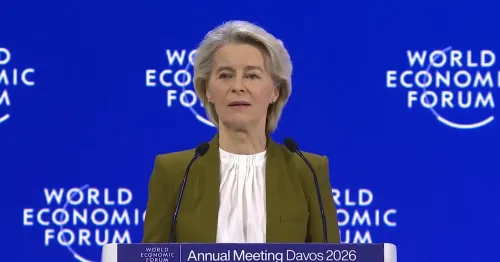
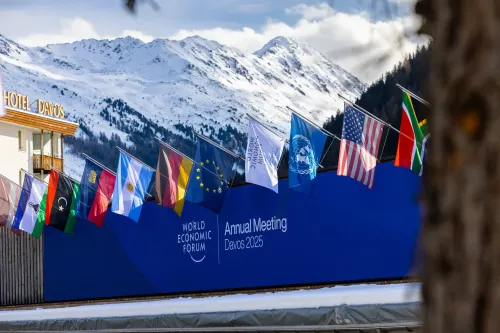
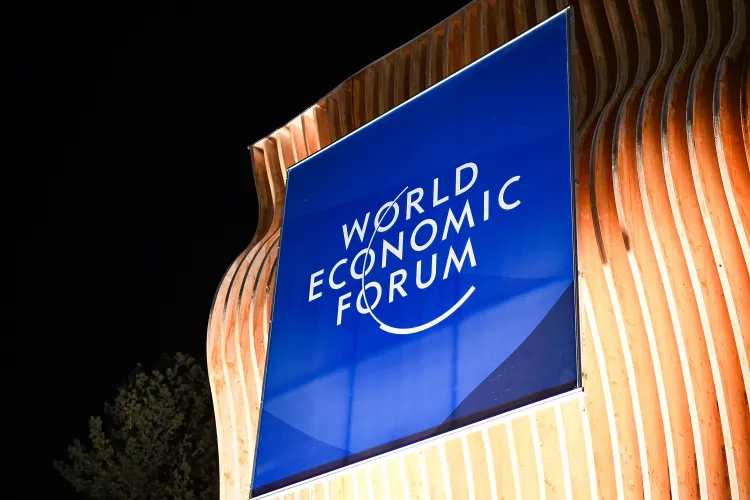
Tel Aviv, Jan 20 (NationPress) The current World Economic Forum (WEF) 2026 taking place in Davos, Switzerland, has traditionally acted as a hub for economic insight and cooperation among global leaders in politics and business. However, this year, the forum faces a unique economic and political climate — one in which the United States seeks to foster a more stable political framework while simultaneously imposing sanctions, exerting economic pressure, and compromising sovereignty when proposed solutions diverge from Washington’s perceived interests, according to a report released on Tuesday.
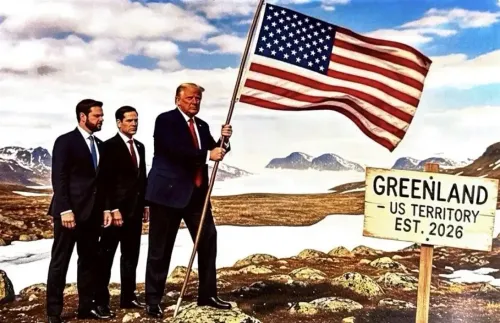
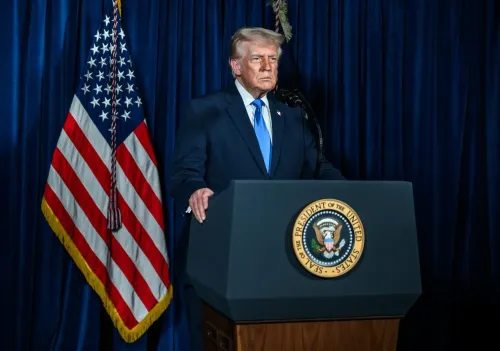
According to information from the conservative platform Newsmax, US President Donald Trump communicated through a written note to Norway’s Prime Minister, expressing that he no longer feels bound to solely focus on peace after his unsuccessful bid for the Nobel Peace Prize. Additionally, his note reiterated his claim for American oversight of Greenland.
“This correspondence, which circulated widely within the US administration to other nations, was a response to a brief note from Norwegian Prime Minister Jonas Gahr Store and Finnish President Alexander Stubb, who both opposed the US decision to levy tariffs against European allies concerning their refusal to let the United States assume control over Greenland,” as reported by the Times of Israel.
The report highlighted that EU member states were informed of an added tariff of approximately 10% due to their pushback against the US stance on Greenland. India was similarly warned of a 25% tariff increase linked to its relationship with Iran, compounding an existing 50% — which includes a standard 25% tariff and another 25% imposed on Russian oil imports.
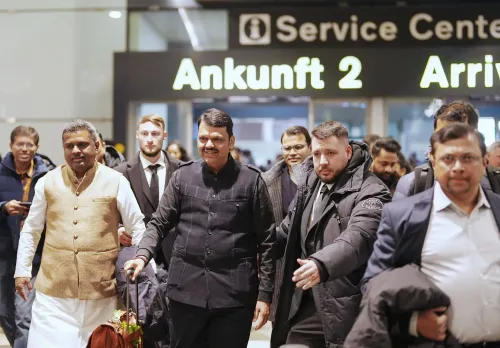
“Thus, it is unsurprising that both India and the European Union are hastening the finalization of a reciprocal Free Trade Agreement. Recently, the German Chancellor visited India, and French President Emmanuel Macron is anticipated to follow suit in early February,” the report elaborated.
“In the meantime, a framework agreement for a free trade deal between the two blocs is set to be signed on January 27, covering a significant portion of the bilateral trade volume, estimated at around €180 billion — excluding agricultural trade, which is still under negotiation, although reduced tariffs have already been agreed upon,” it further noted.
Point of View
It’s crucial to recognize the evolving dynamics at the World Economic Forum. The intersection of US political stability with economic pressures is a pivotal theme that could redefine global alliances. Our focus remains on delivering timely and unbiased coverage of these developments.
NationPress
24 Sept 2026
Frequently Asked Questions
What is the focus of the WEF 2026 in Davos?
The WEF 2026 aims to foster collaboration among global leaders, addressing economic visions and political stability.
What economic pressures is the US imposing?
The US is imposing tariffs and sanctions, particularly affecting European allies and India, influencing international trade dynamics.
What are the implications of the US tariffs?
These tariffs may accelerate trade agreements between India and the EU, reshaping global economic relations.
How is Trump's stance on Greenland impacting diplomacy?
Trump's demand for control over Greenland has resulted in tensions and retaliatory tariffs from European nations.
What is the significance of the upcoming trade agreement?
The trade agreement between India and the EU, valued at €180 billion, signifies a strategic shift in global economic partnerships.