US Proposes Wage Increases for H-1B Visa Workers
Synopsis
The US Department of Labor's new proposal to increase wages for foreign workers under the H-1B visa program aims to align pay with market standards and protect American jobs. With significant wage adjustments on the horizon, employers and foreign professionals may face major changes.
Key Takeaways
Proposed wage increases for H-1B workers Entry-level wages to rise significantly New calculations for prevailing wages No impact on existing approvals Public comments accepted for 60 days
Washington, March 27 (NationPress) The US Department of Labor has put forth a proposal aimed at increasing salaries for foreign workers participating in the H-1B and other visa programs.
This initiative seeks to synchronize the pay of foreign workers with that of the US labor market. Officials assert that this will shield American workers and mitigate the exploitation of the visa system.
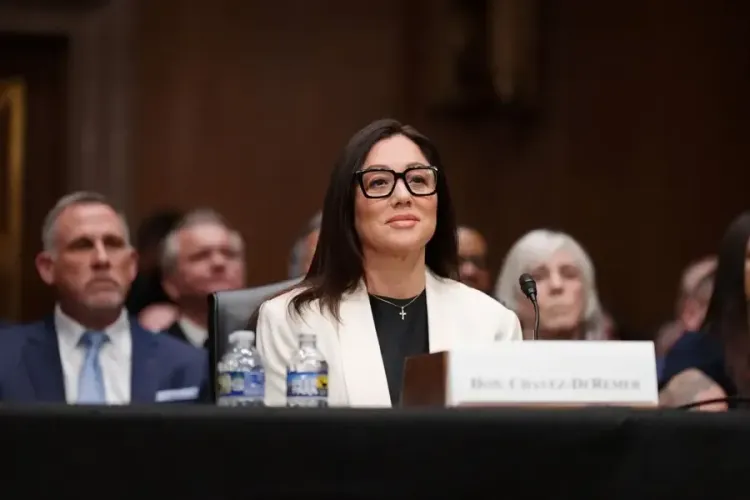
“The Trump Administration is dedicated to ensuring that American employees are not placed at a disadvantage due to inequitable wage practices,” stated Labor Secretary Lori Chavez-DeRemer.
The proposed changes will revise the method by which “prevailing wages” are determined. These wages define the minimum compensation that employers are required to provide foreign workers.
As per the new framework, entry-level salaries are expected to see a significant increase. The lowest tier will rise from approximately the 17th percentile to the 34th percentile, while the highest tier will increase from the 67th to the 88th percentile.
Officials contend that the current wage standards are insufficient, allowing companies to hire foreign labor at lower costs compared to US employees.
Data from the government indicates that H-1B workers frequently receive less compensation than their American counterparts in equivalent roles. On average, this disparity amounts to roughly $10,000, according to the proposal.
The Department highlighted that this wage gap creates an incentive for employers to replace American workers with less expensive foreign labor.
Under the current regulations, employers are obligated to pay either the prevailing wage or the actual wage paid to US workers, with the higher amount taking precedence. However, critics argue that the prevailing wage is set too low, acting merely as a floor.
The new regulation aims to elevate this floor to better represent individuals with comparable skills and experience.
This proposal will apply only to new submissions and will not affect existing approvals.
The Department anticipates that wages could potentially increase by around $14,000 annually per worker, which may raise labor expenses for employers.
Officials assert that the primary aim is to restore equity in the labor market, emphasizing that foreign workers should not undermine US wages.
Public feedback will be welcomed for 60 days following its publication in the Federal Register on March 27.
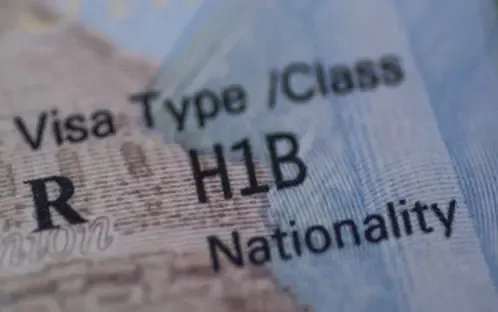
The H-1B visa serves as the primary US program for the employment of foreign skilled labor, with many individuals later transitioning to permanent residency through various visa categories.
The proposed alterations could significantly affect employers and foreign professionals, particularly within the technology industry.
Point of View
The proposed wage increases for H-1B visa holders reflect a crucial step towards ensuring fair compensation practices in the labor market. This move seeks to balance the scales, protecting American workers while still allowing for the necessary influx of skilled foreign labor.
NationPress
26 Sept 2026
Frequently Asked Questions
What are the proposed changes to H-1B wages?
The US Department of Labor has proposed raising the minimum wages for H-1B visa workers to align with the US labor market, increasing entry-level wages significantly.
How will these changes affect employers?
Employers may face increased labor costs, with wages expected to rise by approximately $14,000 annually per worker under the new proposal.
Will existing H-1B approvals be affected?
No, the proposed changes will apply only to new applications and will not impact current H-1B approvals.
What is the goal of these proposed wage increases?
The primary goal is to ensure fairness in the labor market, preventing foreign workers from undercutting US wages.
How can the public participate in this proposal?
The public will be able to submit comments for 60 days following the proposal's publication in the Federal Register.