US sanctions Hezbollah-linked officials and firms over Lebanon destabilisation
Synopsis
Washington has sanctioned Hezbollah-aligned Lebanese political figures — including Marada Movement leader Sleiman Frangie and Hezbollah political council deputy Mahmoud Qamati — alongside a cross-border business network spanning Lebanon, Syria, Iraq and Oman. The move signals the US is using financial pressure to reshape Lebanon's post-conflict political order, with an explicit demand that Hezbollah disarm and dismantle its parallel state infrastructure.
Key Takeaways
The United States imposed fresh sanctions on 22 June against two Hezbollah -aligned Lebanese officials and an associated business network.
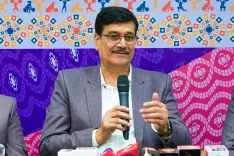
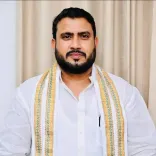
Sleiman Antoine Frangie (Marada Movement leader) and Mahmoud Qamati (Hezbollah political council deputy) are among those designated.
The network spans Lebanon , Syria , Iraq , and Oman , and is linked to US-designated Alaa Hassan Hamieh .
Treasury Secretary Scott Bessent said Hezbollah 'must disarm for Lebanon to achieve a secure and prosperous future.' Washington described Hezbollah as 'the single biggest obstacle to Lebanon's recovery and future.'
The United States imposed fresh sanctions on 22 June targeting two Hezbollah-aligned Lebanese officials and an extensive network of business associates accused of financing and sustaining the Iran-backed militant group. Washington framed the action as a direct effort to dismantle what it called the single biggest obstacle to Lebanon's recovery and long-term stability.
Who Was Sanctioned
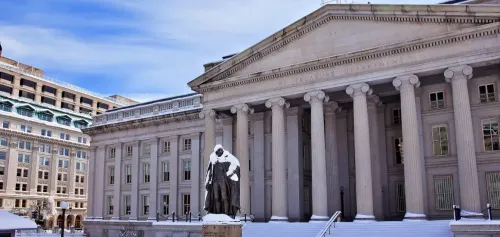
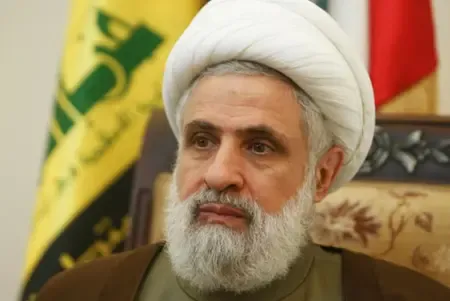
The US Treasury Department identified Sleiman Antoine Frangie, leader of the Lebanese Marada Movement, and Mahmoud Qamati, deputy head of Hezbollah's political council, as among those designated. Treasury alleged that Frangie exploited his alliance with Hezbollah for political gain, while Qamati reportedly coordinated the smuggling of cash from Iran into Lebanon on behalf of the group.
The designations also cover associates linked to US-designated Alaa Hassan Hamieh and his broader business network, with entities identified across Lebanon, Syria, Iraq, and Oman. According to US officials, these individuals and companies raised funds, executed contracts, and operated front companies to generate revenue for Hezbollah.
What the State Department Said
US State Department spokesperson Tommy Pigott said the sanctioned officials 'have used their influence to deliberately and systematically undermine the authority of the Lebanese state,' preventing Beirut from exercising full control over its territory and future.
'These activities obstruct efforts to restore a sovereign, independent Lebanon, instead entrenching a system of parallel power that keeps Lebanon weak and divided, at the expense of the entire Middle East,' Pigott said. He described Hezbollah as 'a terrorist organisation that puts Iran, not Lebanon, first' and warned that 'those who continue to provide political cover and material support to Hezbollah will suffer the consequences of their choices.'
Treasury's Parallel Action
Treasury Secretary Scott Bessent announced parallel designations alongside the State Department, underscoring the coordinated nature of the pressure campaign. 'Hezbollah must disarm for Lebanon to achieve a secure and prosperous future,' Bessent said, adding that Treasury 'will continue to target Hezbollah's financial networks and hold accountable those who enable the group to undermine the Lebanese state and threaten prospects for lasting peace.'
Broader Context and What It Means
The action is the latest in a sustained US effort to squeeze Hezbollah's finances following the group's significant battlefield losses in Lebanon in late 2024 and an ongoing ceasefire with Israel. Critics and regional analysts note that Hezbollah has historically reconstituted funding networks despite previous sanction rounds, raising questions about the long-term effectiveness of the designations alone.
Pigott reiterated Washington's core demand: 'For the sake of lasting peace in the region and Lebanese stability and prosperity, Hezbollah must disarm, its infrastructure must be dismantled, and the Lebanese state must regain its control of Lebanon's future.' The sanctions signal that the US intends to maintain economic pressure as a primary lever in shaping post-conflict Lebanon's political order.
Point of View
Signalling Washington's intent to hold Lebanon's political class accountable for enabling the group. Yet sanctions alone have a mixed record against Hezbollah: the group has repeatedly rebuilt financial pipelines through front companies and informal transfer networks. The deeper question is whether Beirut's post-ceasefire government has both the political will and the security capacity to enforce disarmament — conditions that sanctions cannot substitute for. Without that, the designations risk being a pressure signal rather than a structural solution.
NationPress
21 Sept 2026
Frequently Asked Questions
Who did the US sanction in this Hezbollah-linked action?
The US sanctioned Sleiman Antoine Frangie, leader of the Lebanese Marada Movement, and Mahmoud Qamati, deputy head of Hezbollah's political council, along with members of a business network linked to US-designated Alaa Hassan Hamieh spanning Lebanon, Syria, Iraq and Oman.
Why did the US impose these sanctions?
Washington said the sanctioned officials and entities used their influence to undermine the Lebanese state, generate revenue for Hezbollah, and entrench a system of parallel power that keeps Lebanon weak and divided. The US described Hezbollah as the single biggest obstacle to Lebanon's recovery.
What did Treasury Secretary Scott Bessent say about the sanctions?
Bessent said 'Hezbollah must disarm for Lebanon to achieve a secure and prosperous future' and pledged that Treasury would continue targeting Hezbollah's financial networks and holding accountable those who enable the group to undermine the Lebanese state.
What is the Hamieh network and why is it significant?
Alaa Hassan Hamieh is a previously US-designated figure whose business network, according to US officials, operates front companies and executes contracts across Lebanon, Syria, Iraq and Oman to raise funds for Hezbollah. The new designations target additional associates within that network.
What is the US demanding from Hezbollah and Lebanon?
The State Department has called for Hezbollah to fully disarm, its infrastructure to be dismantled, and the Lebanese state to regain sovereign control over its territory. Washington warned that those providing political cover or material support to Hezbollah will face consequences.