US Enhances Diplomatic Engagement with India Amid Middle East Unrest
Synopsis
In light of escalating tensions in West Asia, the US is ramping up diplomatic efforts with India, sending high-ranking officials for crucial discussions on defense, trade, and regional security. This pivotal outreach underscores the growing significance of the US-India partnership.
Key Takeaways
US officials are visiting India amid West Asia tensions.
Focus on defense, economic cooperation , and regional security.
Significance of the Raisina Dialogue as a strategic forum.
Strengthening US-India relations in the Indo-Pacific context.
Collaborative efforts in critical minerals and technology.
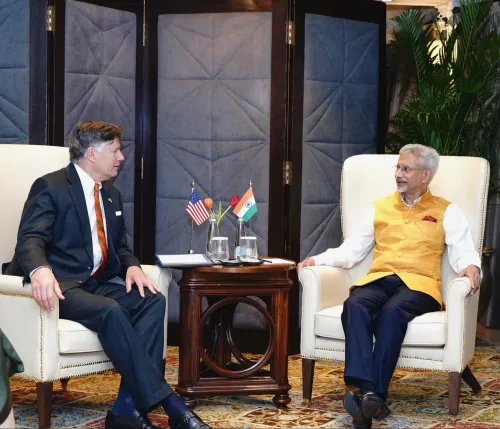
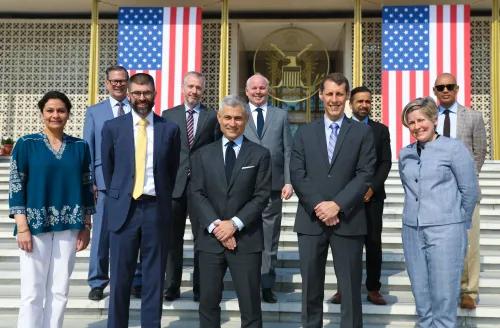
Washington, March 3 (NationPress) The United States is dispatching two high-ranking officials to India this week, underscoring the significance Washington places on its relationship with New Delhi amid escalating tensions in West Asia.
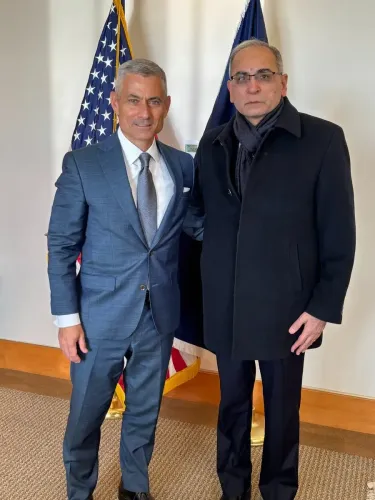
Deputy Secretary of State Christopher Landau is set to visit New Delhi from March 3 to 6, leading the US delegation at the 2026 Raisina Dialogue, which the State Department describes as “India’s premier geopolitical forum.”
The Department indicated that Landau aims to promote “President Trump’s America First policy priorities” during his visit.
He is anticipated to engage with senior Indian officials, with discussions focusing on “bilateral collaboration in defense, critical minerals, and counternarcotics.” Both nations will strive to “enhance commercial and economic connections to broaden market access for American enterprises” and “further our shared vision for a free, open, and prosperous Indo-Pacific region.”
This visit occurs “against the backdrop of increasing tensions in West Asia,” as noted in the statement, situating the outreach to India within a broader regional framework.
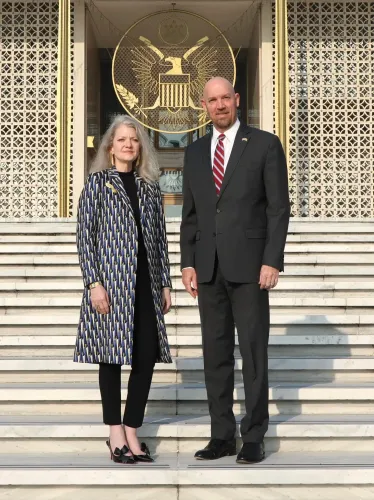
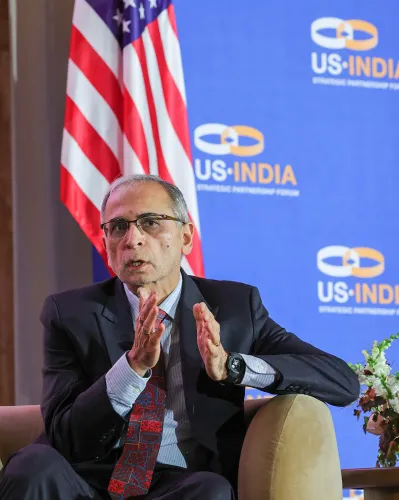
Simultaneously, US Assistant Secretary of State for South and Central Asian Affairs S. Paul Kapur is in New Delhi from March 1 to 3.
The US Embassy reported that Kapur is engaging with Indian officials to address “regional security and mutual priorities in the Indo-Pacific.” His visit aims to “build on recent momentum to enhance President Trump’s vision for a strong and beneficial US-India partnership.”
The Raisina Dialogue has emerged as India’s premier strategic platform, attracting global leaders, ministers, and security experts annually. A significant US presence emphasizes India’s increasing influence in Washington’s Indo-Pacific strategy.
Throughout the past decade, India and the United States have intensified their defense and strategic collaboration, signing critical agreements and enhancing coordination in the Indo-Pacific. Discussions this week in New Delhi are likely to prominently feature cooperation in critical minerals, emerging technologies, and energy security.
Point of View
This initiative by the US to engage with India during a period of regional turmoil illustrates a strategic shift in foreign policy aimed at strengthening alliances. It reflects the recognition of India’s pivotal role in ensuring stability in the Indo-Pacific.
NationPress
29 Sept 2026
Frequently Asked Questions
What is the purpose of the US officials' visit to India?
The visit aims to enhance bilateral cooperation on defense, trade, and regional security amid escalating tensions in West Asia.
Who are the US officials visiting India?
Deputy Secretary of State Christopher Landau and Assistant Secretary of State for South and Central Asian Affairs S. Paul Kapur are the officials visiting India.
What is the Raisina Dialogue?
The Raisina Dialogue is India’s premier geopolitical forum that attracts global leaders and experts to discuss strategic issues.
What topics will be discussed during the meetings?
Discussions will focus on bilateral cooperation in defense, critical minerals, counternarcotics, and enhancing economic ties.
Why is this visit significant?
This visit underscores the importance of the US-India partnership and highlights India's growing influence in the Indo-Pacific region.