Is the Mandatory Recitation of the Bhagavad Gita in Schools Appropriate?
Synopsis
Uttarakhand's Chief Minister Pushkar Singh Dhami has mandated the recitation of Bhagavad Gita verses in schools. This policy has sparked criticism from Congress and the Samajwadi Party, who argue that it undermines India's secular principles. Is this move an attempt to promote cultural values or an inappropriate imposition of religious practices in education?
Key Takeaways
Uttarakhand's CM mandates Bhagavad Gita recitation in schools.
Critics argue it violates the secular spirit of the Constitution.
Concerns raised about educational quality and diversity .
Supporters claim it promotes Indian culture and values .
Debate continues on the balance between religion and education .
New Delhi, Dec 22 (NationPress) Following the announcement by Uttarakhand Chief Minister Pushkar Singh Dhami that reciting verses from the Bhagavad Gita will become compulsory in schools throughout the state, both the Congress and the Samajwadi Party expressed their disapproval on Monday, deeming it inappropriate and contrary to the secular principles enshrined in the Constitution.
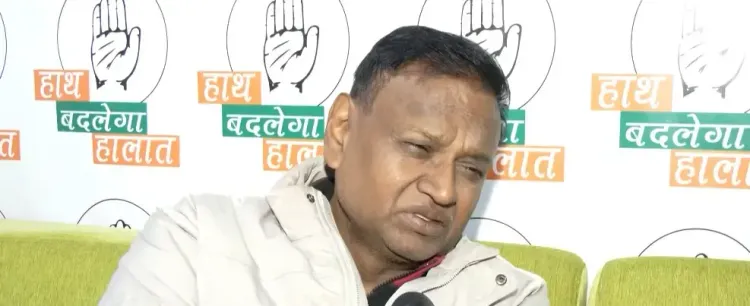
In response to the declaration, Congress spokesperson Udit Raj remarked to IANS that mandating students to recite religious scriptures in educational institutions was misguided.
“India's Constitution promotes secularism. Tomorrow, we may face calls to include the Quran or Buddhist Panchsheel in the curriculum as well. Individuals should be free to read the Gita privately, but it should not be enforced in schools,” he stated.
Udit Raj further emphasized that such initiatives could compromise educational quality and were unjust to students from varied backgrounds.
“Public funding is sourced from all communities—Muslims, Dalits, the impoverished, Ambedkarites, Buddhists, and others. No singular religion should be favored using taxpayer money. Students shouldn't be compelled to engage in religious practices. Once they reach 18, they can choose which religious texts to explore,” he added.
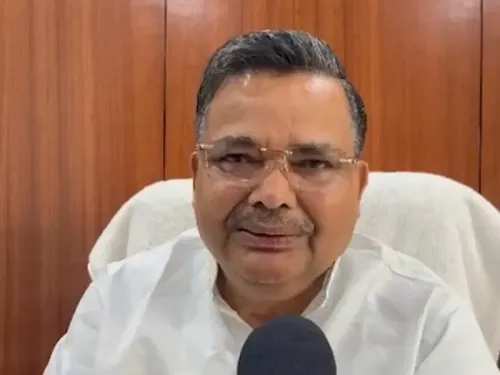
Samajwadi Party MP Rajeev Rai also criticized the initiative, asserting that while religious texts may hold philosophical significance, imposing them on youth is inadvisable.
“Religious literature can be included for educational purposes, but should not be mandated for students. It is inappropriate to impose this on children,” Rai remarked.
Bihar Minister Dilip Jaiswal commented on the situation, noting that educational policies vary by state.
“Each state has its unique educational policies. Just because a practice is adopted in one state does not imply it should be replicated in another,” he stated to IANS.
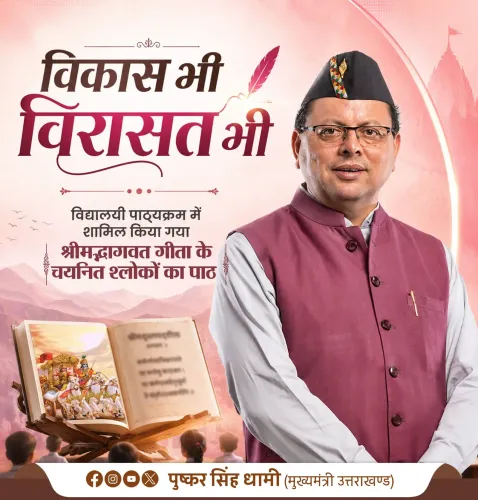
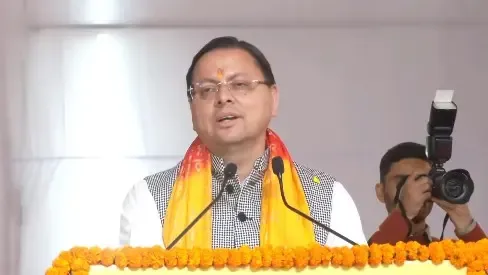
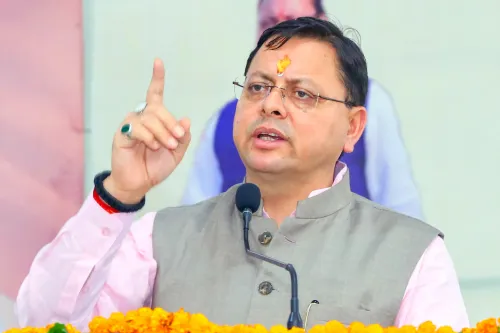
Earlier on Sunday, Uttarakhand Chief Minister Pushkar Singh Dhami declared that reciting verses from the Bhagavad Gita would be obligatory in schools statewide. According to the government, this initiative is designed to connect students with Indian culture, moral values, and the philosophy of life, thus aiding their overall development.
In a post on the social media platform X, CM Dhami proclaimed, “Our government has mandated the recitation of Bhagavad Gita verses in schools. This initiative is paving the way for the comprehensive development of students by linking them to Indian culture, moral values, and the philosophy of life.”
The Chief Minister also took the opportunity to showcase Uttarakhand’s cultural heritage, sharing a post about the historic Kattarmal Sun Temple located in Almora district, describing it as a representation of the rich architectural and devotional legacy of the Katyuri era.
Point of View
It is essential to maintain an objective stance on the recent decision by Uttarakhand's government. The move to enforce recitation of religious texts in schools raises significant questions regarding secularism and inclusivity in education. It is vital to consider the diverse backgrounds of students and the role of education in fostering unity rather than division.
NationPress
6 Oct 2026
Frequently Asked Questions
What is the recent announcement by Uttarakhand's CM?
Uttarakhand's Chief Minister Pushkar Singh Dhami announced that reciting verses from the Bhagavad Gita will be mandatory in schools.
What are the criticisms regarding this decision?
Critics, including the Congress and the Samajwadi Party, argue that the mandate undermines the secular nature of India's Constitution.
Why is the recitation of religious texts in schools controversial?
Imposing religious texts on students from diverse backgrounds may lead to feelings of exclusion and contradict the principles of secular education.
How does this decision relate to India's cultural heritage?
The government claims that this initiative aims to connect students with Indian culture, moral values, and philosophical teachings.
What do critics suggest instead of mandatory recitation?
Critics advocate for teaching religious texts as part of a broader educational framework rather than enforcing them as compulsory.