Uyghur Survivor Blasts Starmer Over London Chinese Mega-Embassy Approval
Synopsis
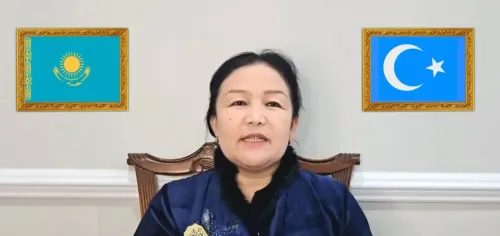
Xinjiang internment camp survivor Sayragul Sauytbay has accused UK PM Keir Starmer of betraying human rights by approving a Chinese mega-Embassy in London. Her chilling first-hand testimony of torture and rape inside China's detention camps puts a devastating human face on Britain's controversial pivot toward Beijing.
Key Takeaways
Sayragul Sauytbay , Vice President of East Turkestan's government-in-exile and a Xinjiang camp survivor , has publicly accused UK PM Keir Starmer of "disrespecting human rights." The UK approved a controversial Chinese mega-Embassy in London just days before Starmer's landmark Beijing visit in January 2025 .
Sauytbay testified to witnessing torture, psychological abuse, and gang rapes of detainees inside China's Xinjiang internment camps in 2017 .
Security analysts and former intelligence officials have warned the mega-Embassy could be used for Chinese state surveillance of dissidents on UK soil.
The UK Parliament had previously passed a motion in April 2021 recognising China's treatment of Uyghurs as genocide — a position Starmer's current China policy appears to contradict.
Sauytbay called out UK government hypocrisy , stating Britain has "no right" to speak about freedom and democracy while strengthening ties with Beijing .
London, April 23: Sayragul Sauytbay, a survivor of China's Xinjiang internment camps and Vice President of East Turkestan's government-in-exile, has launched a scathing attack on British Prime Minister Keir Starmer, accusing him of trampling on human rights by greenlighting a Chinese mega-Embassy in London. Speaking to The Independent, Sauytbay — an ethnic Kazakh who was forced to work inside a Xinjiang detention facility in 2017 — said the UK government's pivot toward Beijing has left persecuted Uyghurs and Kazakhs in "deep anguish and fear."
Survivor's Chilling Testimony on Xinjiang Abuse
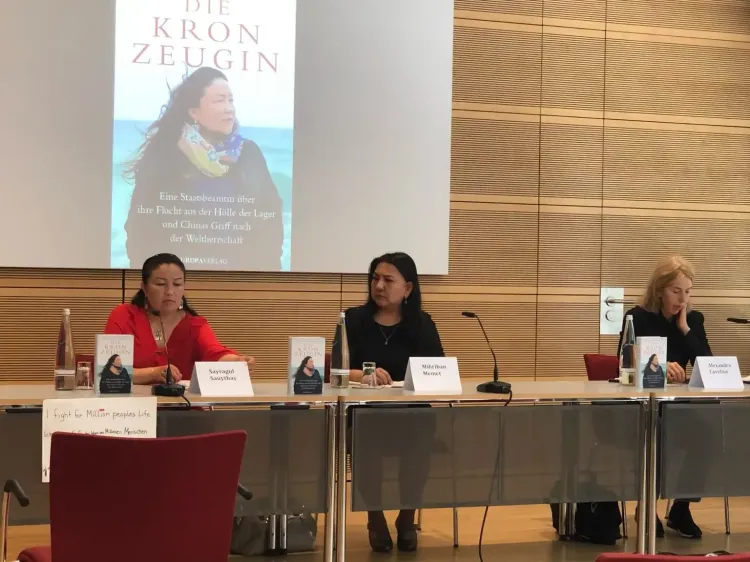
Sauytbay provided harrowing first-hand testimony about the systematic brutality she witnessed inside China's Xinjiang internment camps, where hundreds of thousands of Uyghurs, Kazakhs, and other Turkic minorities have reportedly been detained without trial. She described a so-called "black room" where detainees were subjected to both psychological and physical torture.
"They engage in all forms of torture against the detainees, including both psychological and physical torture. They routinely rape women. I've witnessed gang rapes as well with my own eyes," The Independent quoted her as saying.
Sauytbay revealed that even in her role as a teacher inside the camp, she was subjected to the same inhumane treatment. "You can't talk, you can't cry, you can't smile — even as an instructor, you can't speak with the detainees unless it's about teaching them," she recalled.
Direct Attack on Starmer's China Policy
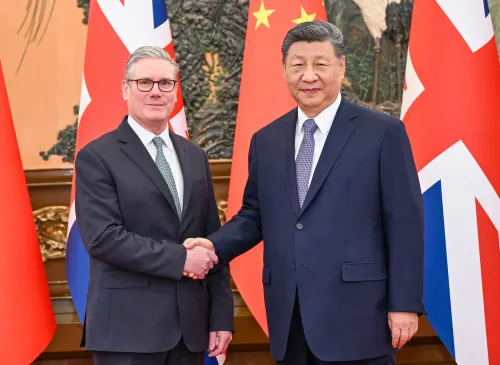
Sauytbay's criticism of Prime Minister Keir Starmer centers on a sequence of decisions that she argues signal Britain's willingness to overlook Beijing's human rights record in pursuit of economic gain. Days before Starmer's landmark visit to Beijing in January 2025, the UK government approved a controversial plan for a large-scale Chinese Embassy complex in London — a project that has drawn fierce opposition from security experts and human rights advocates alike.
"Starmer is disrespecting human rights. He's disrespecting international law and obligations because human rights need to be prioritised over all things, over economic and political gains," she was quoted as saying.
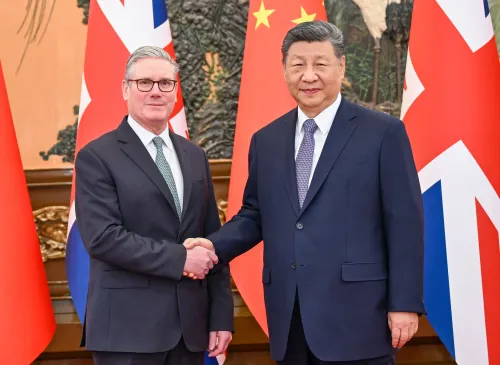
During his Beijing visit, Starmer called for a "more sophisticated" relationship with China, emphasising the financial dividends of deeper ties with the world's second-largest economy. Critics argue this framing deliberately sidesteps the ongoing genocide allegations against Chinese President Xi Jinping's government in Xinjiang.
UK's Shifting Stance on China — A Pattern of Appeasement?
This comes amid a broader pattern of Western governments recalibrating their China policies, often trading human rights pressure for trade access. The UK previously adopted a tougher stance under former Prime Ministers Boris Johnson and Liz Truss, with Parliament passing a motion in April 2021 declaring China's treatment of Uyghurs a genocide. Starmer's current approach represents a marked departure from that legislative position.
Notably, the mega-Embassy proposal — which would be one of the largest diplomatic compounds in Europe — was blocked multiple times on national security grounds before receiving approval. Intelligence analysts and former MI5 officials have publicly warned that such a facility could be used for surveillance operations targeting Chinese dissidents living in the UK.
Sauytbay pointedly noted the contradiction: Kazakhs and Uyghurs once viewed Britain as a beacon of hope. "Every country has legal obligations that they signed on to before international law, that they will prioritise and respect human rights. If they are not respecting that, then they have no right to speak about freedom and democracy in other parts of the world," she said, calling out what she termed the UK government's hypocrisy.
Security Concerns and Diplomatic Fallout
The approval of the Chinese Embassy expansion in London has ignited a fierce domestic debate in the UK. Opposition politicians, human rights groups, and members of the Uyghur diaspora have all condemned the decision, warning it sends a dangerous signal to authoritarian regimes worldwide.
Security analysts have flagged that the site's scale and location could enable Chinese state surveillance of activists, journalists, and exiled dissidents on British soil — a concern amplified by documented cases of Chinese transnational repression in European cities in recent years.
The UK Home Office and Foreign Office have not publicly addressed Sauytbay's specific accusations, but Downing Street has defended the embassy approval as consistent with diplomatic norms and legal frameworks.
What Comes Next
As Starmer's government continues to deepen economic engagement with Beijing, pressure from human rights organisations, opposition MPs, and diaspora communities is expected to intensify. Parliamentary debates on the embassy project and UK-China trade agreements are anticipated in the coming months. For survivors like Sauytbay, the stakes go far beyond diplomacy — they represent a test of whether democratic nations will hold the line on fundamental human rights obligations or sacrifice them at the altar of geopolitical convenience.
Point of View
It doesn't just betray a diaspora — it signals to every authoritarian regime that democracies have a price. Sauytbay's testimony forces an uncomfortable question: if first-hand accounts of torture, rape, and forced detention cannot move a G7 government, what exactly is international human rights law worth? The Starmer government's economic pragmatism may deliver short-term trade wins, but the long-term cost — to Britain's credibility as a defender of liberal values — could prove far steeper.
NationPress
7 Oct 2026
Frequently Asked Questions
Who is Sayragul Sauytbay and why is she criticising UK PM Starmer?
Sayragul Sauytbay is an ethnic Kazakh survivor of China's Xinjiang internment camps and Vice President of East Turkestan's government-in-exile. She is criticising UK PM Keir Starmer for approving a Chinese mega-Embassy in London and prioritising economic ties with Beijing over human rights obligations.
What is the Chinese mega-Embassy in London and why is it controversial?
The proposed Chinese mega-Embassy in London would be one of the largest diplomatic compounds in Europe and was approved by the UK government days before PM Starmer's January 2025 Beijing visit. Critics, including former intelligence officials, warn it poses a national security risk and could be used to surveil Chinese dissidents in the UK.
What abuses did Sayragul Sauytbay witness in Xinjiang internment camps?
Sauytbay testified that she witnessed systematic torture — both physical and psychological — as well as gang rapes of women detainees inside Xinjiang camps in 2017. She also described a 'black room' where detainees faced extreme abuse and said even she, as a teacher, was subjected to inhumane treatment.
Has the UK previously taken a position on China's treatment of Uyghurs?
Yes — the UK Parliament passed a motion in April 2021 declaring China's treatment of Uyghurs a genocide. Starmer's current policy of deepening UK-China ties is seen by critics as a significant departure from that legislative stance.
What is the UK government's response to the human rights criticism over China ties?
PM Starmer has defended deeper UK-China engagement as building a 'more sophisticated' relationship with economic benefits. The UK government has not directly addressed Sauytbay's accusations but says the embassy approval is consistent with diplomatic and legal norms.