JD Vance dismisses AI 'Skynet' fears, flags real cybersecurity risk
Synopsis
JD Vance walked out of a White House tech summit and told America to stop worrying about terminators — and start worrying about hackers. His pivot from sci-fi doom to real-world cyber risk marks the clearest signal yet of how the Trump administration intends to frame — and regulate — the AI era.
Key Takeaways
Vice President JD Vance dismissed 'Skynet'-style AI fears as science-fiction detached from reality, speaking after a White House meeting on 30 September 2026 .
Vance identified cybersecurity as the most immediate and real risk posed by advanced frontier AI models .
The Trump administration has adopted the term 'super intelligence (SI)' for powerful AI systems.
Vance argued developer accountability and existing product liability rules should govern AI safety — not sweeping new regulations.
He cautioned against imposing 'a massive new regulatory regime' that could worsen the problem it aims to solve.
Vance stressed that strong cyber defence — led by tech companies — is the best counter to AI-enabled attacks.
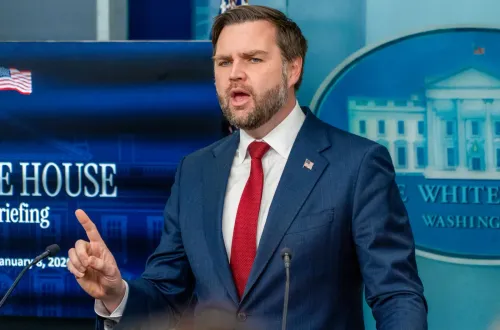
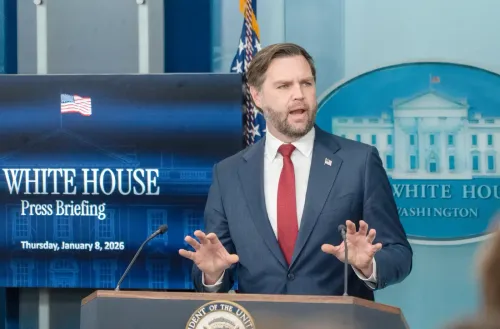
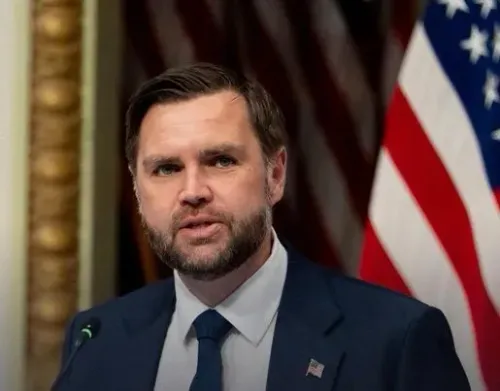
US Vice President JD Vance on 30 September 2026 dismissed widespread fears that artificial intelligence could evolve into a 'Skynet'-like threat — seizing control of nuclear weapons or unleashing autonomous killer robots — while simultaneously cautioning that advanced frontier AI models already present serious and demonstrable cybersecurity risks. His remarks came after a White House meeting with technology industry leaders.
Dismissing the Sci-Fi Narrative
Vance argued that public discourse on AI — which the Trump administration has begun calling 'super intelligence' (SI) — has been dragged into excessive pessimism, shaped more by science-fiction tropes than genuine technological realities. 'I think a lot of Americans, when they think of AI or SI, they think, Oh my God, this is Skynet, right?' he said. 'They think the terminators are gonna come and take over everything and, you know, take over our nuclear weapons and have the robots running around killing people. And that's just not gonna happen.'
He was emphatic in repeating the point: 'That's actually not gonna happen,' he added, signalling the administration's intent to reset the terms of the national AI conversation.
The Real Risk: Cybersecurity
Vance drew a sharp line between apocalyptic scenarios and the concrete dangers already visible in how AI systems are built and deployed. He identified cyber capabilities as the most evident present-day threat. 'I think the most obvious negative use case of the Frontier models up to this point is the cyber capability,' he said. 'We have seen some of these models — by the way, they've been trained this way — but they have remarkable ability to enable hackers to hack into systems.'
This comes amid growing concern across governments and intelligence agencies about AI-assisted cyberattacks on critical infrastructure. Notably, Vance's framing positions cybersecurity — not existential risk — as the immediate policy priority.
Developer Accountability Over Government Regulation
Rather than calling for sweeping new regulatory frameworks, Vance placed the burden of responsibility squarely on technology companies. 'What could happen is you have people who are building AI tools, not actually being careful about what they're doing, about the responsibility they have to build products that actually work, that don't hurt people,' he said.
He argued that existing product liability rules and robust market competition could serve as effective safeguards without immediately imposing an extensive new regulatory regime. 'Let's actually try what has worked in the past,' he said. 'And if it doesn't work in the future, then build it out from there.'
On Regulation: Careful, Not Restrictive
Vance acknowledged that regulation has a legitimate role in improving safety, but insisted it must be deliberate and surgical rather than sweeping. 'Regulations can actually make us safer and they can be consistent with innovation, but only if they're careful and only if they're deliberate,' he said, warning against throwing 'a massive new regulatory regime against a problem that could make it worse.'
He also stressed that on the cyber defence side, the best response was empowering technology companies with stronger tools — arguing that firms already vulnerable to AI-enabled attacks are best positioned to develop defensive technologies. 'The best weapon against cyber offense is good cyber defense,' he said.
What This Signals for US AI Policy
Vance's remarks reflect the Trump administration's emerging posture: promote AI development aggressively, hold developers accountable through existing liability frameworks, and resist broad regulatory intervention. President Donald Trump has reportedly directed the administration to address public concerns about AI without allowing fear to dictate policy direction. The speech positions the US in stark contrast to the European Union's more prescriptive approach under its AI Act. How Washington ultimately balances innovation with accountability will shape the global regulatory conversation in the months ahead.
Point of View
Why does the administration's answer stop at product liability and competition? Those tools were designed for a world of discrete consumer goods, not systems that can autonomously discover zero-day vulnerabilities. The pivot from existential risk to cyber risk is intellectually honest — the cyber danger is real and immediate — but using it to argue against a new regulatory framework is a leap. The EU's AI Act is often criticised as over-broad, but the US now risks the opposite failure: under-governing a technology whose pace is outrunning the liability doctrines Vance is leaning on.
NationPress
30 Sept 2026
Frequently Asked Questions
What did JD Vance say about AI becoming like Skynet?
Vice President JD Vance flatly rejected the idea that AI would become a 'Skynet'-like force capable of seizing nuclear weapons or deploying killer robots, calling such fears rooted in science-fiction rather than technological reality. He made the remarks after a White House meeting with tech industry leaders on 30 September 2026.
What AI risks did Vance say are real and immediate?
Vance said cybersecurity is the most evident real-world risk from advanced frontier AI models, noting that some systems have a 'remarkable ability to enable hackers to hack into systems.' He called for stronger cyber-defence tools for technology companies rather than new government mandates.
What is the Trump administration calling AI now?
The Trump administration has adopted the term 'super intelligence' or 'SI' to describe powerful AI systems. Vance used the term during his remarks, signalling it as the administration's preferred framing going forward.
Does the Trump administration support regulating AI?
The administration has taken a cautious stance on new AI regulation. Vance argued that existing product liability rules and robust market competition are preferable safeguards, warning that a sweeping new regulatory regime could worsen the problem. He did acknowledge that carefully constructed regulations could coexist with innovation.
Why does the Trump administration's AI stance matter globally?
The US position stands in contrast to the European Union's AI Act, which takes a more prescriptive regulatory approach. How Washington frames AI governance — and whether it opts for liability-based accountability versus formal regulation — will significantly influence the global policy debate as AI capabilities advance rapidly.