JD Vance flags AI regulation push as 'Trojan horse', eyes US-China race
Synopsis
US Vice President JD Vance has broken from the standard Washington script on AI: instead of debating what rules to write, he is questioning whether the companies demanding those rules can be trusted at all. His 'Trojan horse' warning puts a spotlight on the conflict of interest at the heart of Big Tech's regulatory push — and signals the administration will not simply take industry's word for what good governance looks like.
Key Takeaways
US Vice President JD Vance publicly questioned why leading AI companies are 'begging' the government to regulate them, calling it a potential 'Trojan horse.' Vance did not name any specific AI companies or detail what he believed they hoped to gain from regulation.
He stopped short of endorsing a pause on AI development, saying the administration wants to 'regulate smartly.' Competition with China in the long-term AI race was cited as a key reason not to overregulate US AI development.
Vance called for Congress and the White House to jointly agree on any AI regulatory framework to ensure it 'sticks.' Separately, Vance confirmed direct US conversations with the Houthis and outreach to Emirati and Saudi counterparts on the Red Sea situation.
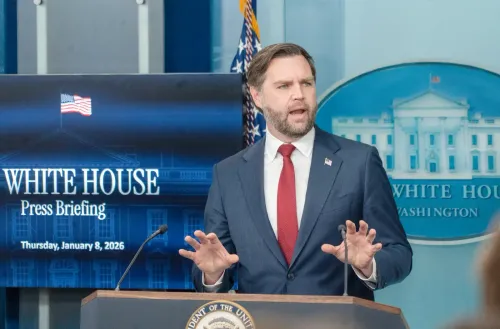
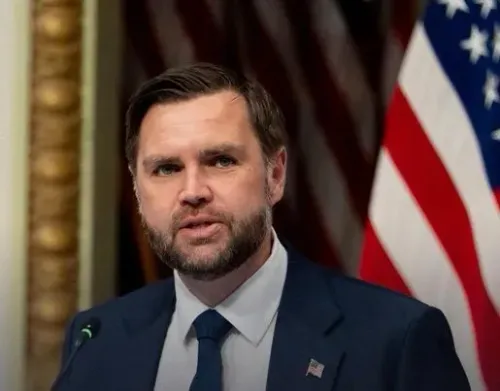
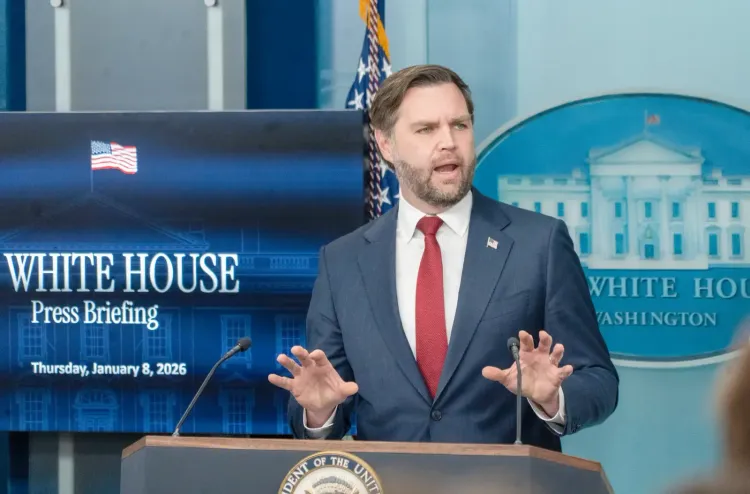
US Vice President JD Vance on 14 September publicly questioned the motives of leading Artificial Intelligence companies that are lobbying the government to regulate them, describing the trend as feeling like a 'Trojan horse'. Speaking to reporters in Washington, Vance acknowledged real risks in AI development while expressing deep scepticism about why frontier tech firms would seek government oversight of themselves.
Vance's Core Concern
'There are obviously risks to AI, there are benefits to AI. I have to say, personally, I feel a little bit weird about the fact that we have so many frontier AI tech companies kind of talking to the government and begging the government to regulate them,' Vance said. He did not name any specific companies, nor did he elaborate on what he believed those firms stood to gain from regulation.
'It feels a little bit to me like a bit of a Trojan horse, so I think we just have to be careful about this,' he added. The remarks echo a growing concern among some policymakers that large incumbents may use regulation strategically to raise barriers to entry and lock in their market dominance — a phenomenon critics have termed 'regulatory capture.'
On AI Pauses and Regulating 'Smartly'
When asked about weekend calls to pause AI development, Vance stopped short of endorsing any moratorium. 'It's something that we're concerned by, but we want to make sure that we regulate smartly,' he said. The Vice President framed the administration's position as one of cautious engagement rather than alarm, emphasising that the risks were real but needed to be weighed carefully against strategic considerations.
The China Factor
Vance repeatedly pointed to competition with China as a central variable in how Washington should calibrate its AI policy. 'We know that the Chinese are engaged in this long-term AI race against the United States. We want to make sure the United States, we do things smartly but we stay ahead of the curve,' he said, attributing the sentiment to President Donald Trump's consistent position. This framing suggests the administration views overly restrictive regulation as a potential handicap in the US-China technology contest.
Congress and the White House: A Shared Mandate
On the question of which branch of government should lead on AI regulation, Vance argued for a unified approach. 'Any regulatory regime we'd like, ideally, Congress and the White House to agree on it so that we actually are able to make it stick and so that we actually get some real consensus behind it,' he said. The call for bipartisan, cross-branch consensus reflects a recognition that executive orders alone may not produce durable AI governance frameworks.
Other Remarks: Houthis and Military Consultations
Vance also addressed separate questions on Middle East security. He said the administration was in contact with the Emiratis, the Saudis, and others in the region regarding the Houthis and the Red Sea, adding that direct conversations with the Houthis themselves were ongoing. 'We actually feel like we are on top of the situation; it's a very fluid and dynamic thing,' he said, without providing further details. He also defended his practice of consulting senior military officers directly, calling it a standard part of understanding US foreign policy.
With AI governance still lacking a coherent federal framework in the United States, Vance's remarks signal that the administration intends to proceed deliberately — and with an eye on whether industry advocacy is shaping regulation in ways that serve corporate rather than national interests.
Point of View
And there is no obvious reason AI should be different. Yet the administration's alternative framing, anchored in the US-China race, carries its own risks: treating every safety guardrail as a competitive handicap could leave the country exposed to the very harms that even industry players claim to fear. The real tension Vance has not resolved is whether 'regulating smartly' means fewer rules, better rules, or simply rules written on the administration's terms rather than Silicon Valley's.
NationPress
15 Sept 2026
Frequently Asked Questions
What did JD Vance say about AI companies asking for regulation?
Vice President JD Vance said he found it 'a little bit weird' that so many frontier AI companies were lobbying the government to regulate them, describing the trend as feeling like a 'Trojan horse.' He did not name specific companies or explain what he believed they stood to gain.
Did Vance support pausing AI development?
No. When asked about weekend calls to pause AI development, Vance did not explicitly endorse a moratorium. He said the administration was 'concerned' but wanted to 'regulate smartly' rather than halt progress.
How does the US-China AI race factor into Vance's position?
Vance cited competition with China as a central reason for caution about over-regulation, saying the administration wanted the United States to 'stay ahead of the curve' in the long-term AI race. He attributed this position to President Trump's consistent stance.
Who should lead on AI regulation — Congress or the White House?
Vance argued that both should be aligned, saying any regulatory regime should ideally have Congress and the White House in agreement so that it 'sticks' and achieves real consensus behind it.
What else did Vance discuss at the press interaction?
Vance also addressed the Houthi situation and Red Sea security, confirming direct US conversations with the Houthis as well as outreach to Emirati and Saudi counterparts. He defended consulting senior military officers directly, describing it as a routine part of understanding US foreign policy.