US cannot lose AI race to China, says Attorney General Todd Blanche
Synopsis
US Attorney General Todd Blanche declared at the White House that America cannot afford to lose the AI race to China — while insisting the DOJ will prosecute bad actors but will not regulate AI. His dismissal of AI safety concerns as midterm electioneering and his defence of Trump’s personal rapport with Xi Jinping signal a deliberately hands-off regulatory posture at a moment when the US-China technology rivalry is intensifying.
Key Takeaways
Attorney General Todd Blanche said on 16 September 2026 that the US cannot afford to lose the AI race to China .
The Department of Justice will prosecute AI-related criminal conduct but will not assume a regulatory role over the technology.
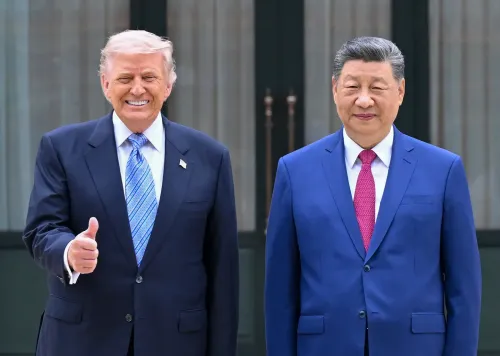
Blanche distinguished between China as a country and ‘bad actors’ within it, citing the strong personal relationship between President Trump and President Xi Jinping .
He accused Democratic senators of raising AI safety concerns primarily to influence the approaching midterm elections .
Blanche declined to confirm whether OpenAI , Google , and Anthropic would need antitrust waivers to collaborate on AI security measures.
The US has imposed export restrictions on advanced chips and manufacturing equipment to limit China’s access to cutting-edge semiconductor technology.
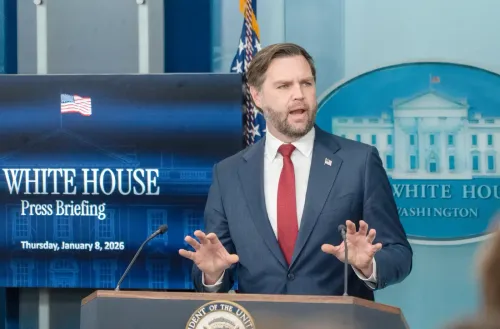
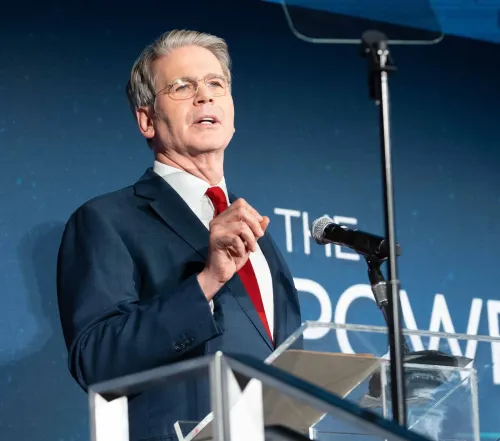
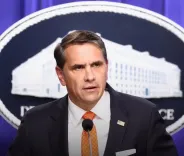
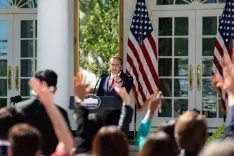
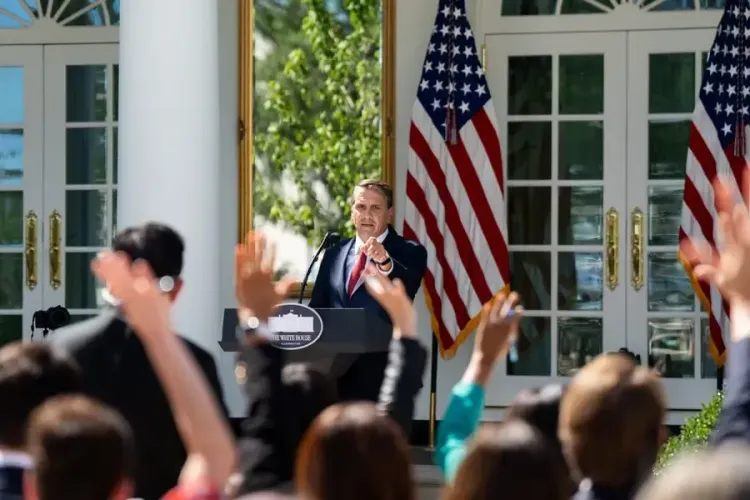
Attorney General Todd Blanche declared on 16 September 2026 that the United States cannot afford to lose the artificial intelligence race to China, vowing law-enforcement action against Chinese individuals and companies alleged to have stolen technology from American businesses. Speaking during a media availability at the White House in Washington, Blanche framed the AI competition as a matter of national urgency while firmly rejecting any regulatory role for the Department of Justice (DOJ).
Blanche on the AI Race
“We can’t lose the AI race to China, right?” Blanche said. “President Trump says that, everybody says that, but they say it because it’s true.” His remarks followed questions about warnings from technology leaders that rapidly advancing AI systems could pose serious national-security and societal risks. Blanche acknowledged those concerns but indicated prosecution — not regulation — would be the DOJ’s response to any AI-related criminal conduct.
DOJ as Prosecutor, Not Regulator
Blanche drew a sharp line between law enforcement and technology oversight. “There’s plenty of cases involving AI that we’ve charged individuals,” he said, while adding: “I do not think it’s the job of the Department of Justice to regulate.” He reiterated: “We’re prosecutors, not regulators, so we’re not going to try to regulate AI.” This stance puts the DOJ at odds with voices inside and outside government who have called for tighter oversight of frontier AI systems.
China Policy: Country vs. Bad Actors
Asked whether the US government should take direct action against China for alleged theft from American AI companies, Blanche drew a distinction between state-level policy and individual misconduct. “When you say China, you’re talking about an entire country,” he said. He noted that President Donald Trump and Chinese President Xi Jinping maintained what he described as a strong working relationship. “Those two presidents have a great relationship and they get along, they make deals together,” Blanche said, while adding that “bad actors in China” who engaged in theft would be pursued aggressively by the DOJ and other executive-branch agencies. He noted such misconduct predated the current administration and would remain a law-enforcement priority.
Political Controversy Over AI Safety Debate
Blanche also weighed in on the domestic political dimension of AI safety discussions, backing President Trump’s contention that Democratic senators had raised concerns about AI risks primarily to influence the approaching midterm elections. “AI is extraordinarily beneficial to our society,” he said. “There’s a lot of great work that AI does.” He questioned the timing of Democratic calls for oversight: “So to talk about the timing of this as being nothing but an effort to influence the midterms, I shouldn’t have to say that out loud. Of course, that’s what it is.” Critics argue the administration is downplaying legitimate safety concerns to avoid regulatory friction for the US tech industry.
OpenAI, Google, Anthropic Antitrust Question
Blanche declined to say whether companies such as OpenAI, Google, and Anthropic would require antitrust waivers to collaborate on security measures for their AI models. He said any such determination would involve multiple factors and an established DOJ process. He encouraged technology companies to address problems within their own systems and to engage with the government when necessary. The United States and China are locked in a broader contest for leadership across advanced semiconductors, computing infrastructure, and frontier AI models — a rivalry with significant implications for global supply chains, investment flows, and the standards governing AI systems adopted in major markets worldwide.
Point of View
Not a constitutional truism — the DOJ has historically played a standard-setting role in emerging technology through antitrust enforcement, and declining to do so here is itself a regulatory decision. His framing of AI safety concerns as midterm politics conveniently sidesteps substantive questions about frontier AI risk that leading researchers, not just Democratic senators, have raised. The Trump-Xi ‘great relationship’ defence is also harder to square with the very export controls Washington has imposed on Chinese chip access. What the administration appears to be threading is a needle between aggressive rhetoric on China and restrained legal action — a posture that reassures US tech companies while leaving enforcement deliberately vague.
NationPress
16 Sept 2026
Frequently Asked Questions
What did US Attorney General Todd Blanche say about the AI race with China?
Attorney General Todd Blanche said the United States cannot afford to lose the artificial intelligence race to China, calling it a matter of national urgency. Speaking at the White House on 16 September 2026, he vowed law-enforcement action against Chinese individuals and companies that steal from American technology businesses.
Will the Department of Justice regulate artificial intelligence?
No — Blanche explicitly stated that the DOJ will not act as a technology regulator. He said the department’s role is prosecution: ‘We’re prosecutors, not regulators, so we’re not going to try to regulate AI.’ The DOJ will, however, investigate and charge criminal conduct connected to AI.
How did Blanche address Chinese theft of US AI technology?
Blanche drew a distinction between China as a country and individual bad actors operating within it, noting that Presidents Trump and Xi Jinping share a strong working relationship. He said the DOJ and other executive agencies are actively pursuing Chinese individuals and companies engaged in technology theft, a problem he said predated the current administration.
What did Blanche say about the AI safety debate in the US?
Blanche backed President Trump’s view that Democratic senators raised AI safety concerns primarily to influence the upcoming midterm elections. He described AI as ‘extraordinarily beneficial’ and questioned why the issue was being raised two months before polling day after what he called a prolonged period of silence from those same lawmakers.
Do OpenAI, Google, and Anthropic need antitrust waivers to collaborate on AI security?
Blanche declined to answer directly, saying any such determination would depend on multiple factors and an established DOJ process. He encouraged technology companies to address internal problems and to engage with the government when needed, without committing to a specific regulatory pathway.