Revanth Reddy launches gig workers welfare law in Telangana
Synopsis
Telangana CM A. Revanth Reddy has announced a landmark gig workers welfare law offering ₹5 lakh life insurance, ₹10 lakh health cover via Rajiv Aarogyasri, a unique worker ID, and a Gig Workers Board — fulfilling a Rahul Gandhi pledge from the Bharat Jodo Yatra.
Key Takeaways
Telangana has enacted a dedicated gig workers welfare law, announced by CM A.
Revanth Reddy on 14 November 2026 .
Every gig worker will receive ₹5 lakh life insurance and ₹10 lakh health coverage under the Rajiv Aarogyasri scheme.
A Gig Workers Board will be established as a statutory body to protect earnings for every hour worked.
Each worker will receive a unique ID number and card , formally recognising their status.
The law was framed as fulfilment of a promise Rahul Gandhi made to gig workers during the Bharat Jodo Yatra (2022-2023) .
Revanth Reddy said the legislation was drafted through wide expert consultations to ensure practical protection.
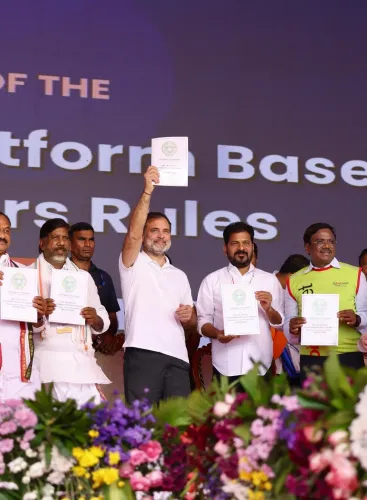
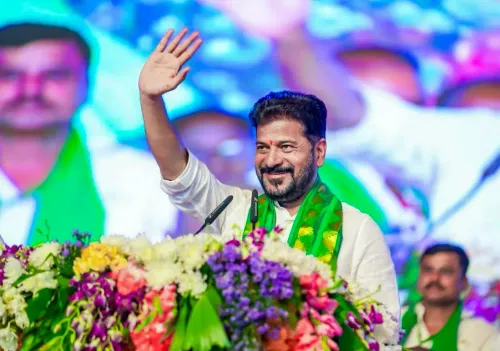
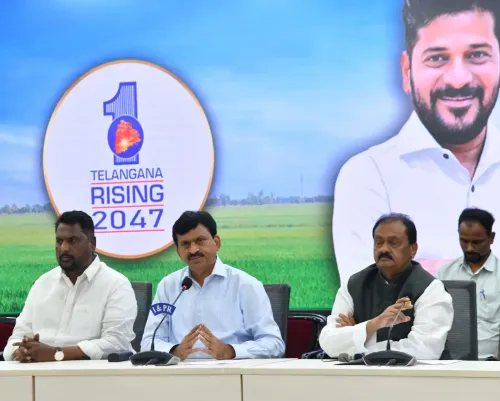
Millions of delivery riders, cab drivers, and app-based workers across Telangana just moved from invisible to insured. Telangana Chief Minister A. Revanth Reddy announced on Saturday, 14 November 2026 that the state has enacted a dedicated welfare law for gig workers — making good, he says, on a promise Congress leader Rahul Gandhi made to this workforce during the Bharat Jodo Yatra.
What the law actually gives gig workers
The package is concrete and tripartite. Every gig worker will receive ₹5 lakh life insurance cover and ₹10 lakh health coverage through Rajiv Aarogyasri, Telangana's flagship public health insurance scheme. A unique ID number and card will be issued to each worker — the first step in formally recognising a workforce that the economy depends on but the state has long left unprotected.
At the centre of the architecture sits a new Gig Workers Board — a statutory body tasked specifically with ensuring workers receive their rightful earnings for every hour clocked. That provision targets one of the gig economy's most persistent grievances: opaque, algorithm-driven pay calculations that leave workers with little recourse when platforms shortchange them.
A promise made on the march, now delivered in the assembly
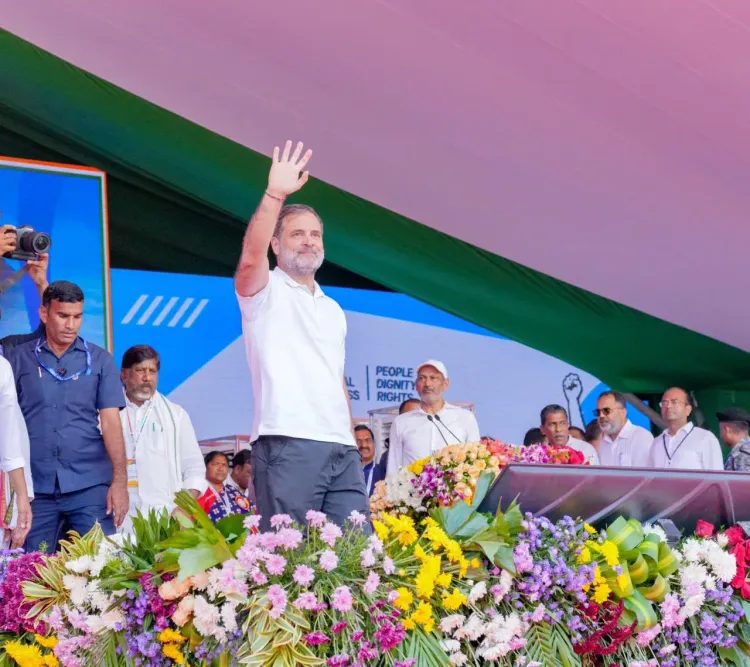
Rahul Gandhi's Bharat Jodo Yatra, the cross-country march of 2022-2023, was partly built on conversations with workers at the margins of the formal economy. At multiple stops, Gandhi committed publicly that a Congress government would legally protect gig workers' rights and income. Revanth Reddy framed Saturday's announcement as the direct fulfilment of that pledge — a move that ties state-level legislation to a national party narrative ahead of future electoral cycles.
Rajiv Aarogyasri, originally launched in undivided Andhra Pradesh in 2007, has been progressively expanded since Telangana's formation in 2014 to cover additional beneficiary categories. Folding gig workers into this scheme is the fastest route to meaningful health coverage, since the infrastructure already exists.
Telangana's move in a national policy conversation
India's Code on Social Security, 2020, opened the door for states to design platform-worker protections, but most have moved slowly. Rajasthan had earlier signalled similar intent, and now Telangana becomes one of the more explicit movers — combining health coverage, life insurance, earnings protection, and formal identity under a single legislative roof.
Revanth Reddy stressed that the law was not drafted in isolation: 'wide consultations with experts' (extensive stakeholder and expert consultations) shaped the final text, he said, to ensure the protections are grounded in operational reality rather than policy aspiration. The next test is passage through the Telangana Assembly, followed by notification and staffing of the new Gig Workers Board — the moment this framework moves from announcement to enforcement.
India's gig economy employs tens of millions of people who keep urban supply chains running. If Telangana's model delivers, every other state government will face the question: why not here?
Point of View
The Congress government converts a welfare announcement into a proof-of-promise moment ahead of future cycles. The integration of gig workers into the existing Rajiv Aarogyasri infrastructure is pragmatically smart — it avoids building a new delivery apparatus from scratch. The real test will be the Gig Workers Board, whose powers to enforce earnings transparency will determine whether this law has teeth or remains a symbolic gesture. If the Board functions effectively, Telangana could hand the national Congress a replicable template to take into other states.
NationPress
14 Nov 2026
Frequently Asked Questions
What benefits will gig workers get under Telangana's new law?
Under the new law, every gig worker in Telangana will receive ₹5 lakh life insurance cover and ₹10 lakh health insurance under the Rajiv Aarogyasri scheme, a unique ID card, and earnings protection through a dedicated Gig Workers Board.
What is the Telangana Gig Workers Board?
The Gig Workers Board is a proposed statutory body that will oversee and ensure gig workers receive their rightful earnings for every hour they work, providing a formal dispute and regulation mechanism for platform-based workers in Telangana.
What is Rajiv Aarogyasri and how does it help gig workers?
Rajiv Aarogyasri is Telangana's public health insurance scheme, originally launched in undivided Andhra Pradesh in 2007. Under the new welfare law, gig workers will be included as beneficiaries, entitled to ₹10 lakh in health coverage for secondary and tertiary care.
What promise did Rahul Gandhi make to gig workers during Bharat Jodo Yatra?
During the Bharat Jodo Yatra in 2022-2023, Rahul Gandhi publicly committed that a Congress government would protect gig workers' rights and income by law. Telangana CM Revanth Reddy has cited this new legislation as the fulfilment of that specific promise.
Which other Indian states have gig worker protection laws?
Following the Code on Social Security 2020, Rajasthan had earlier signalled intent to protect gig workers. Telangana's 2026 law is among the most comprehensive so far, combining health insurance, life cover, earnings protection, and formal identity under a single legislative framework.