Vijayawada Terror Network: Suspects Acted Under Foreign Directives

Synopsis
In a stunning revelation, suspects in the Vijayawada terror network case have admitted to operating under the orders of a foreign handler, aiming to expand AQIS and ISIS activities in India. This comprehensive investigation unveils their radical plans and connections, shedding light on the growing threat of terrorism.
Key Takeaways
Vijayawada terror network connected to foreign handlers.
Suspects aimed to expand AQIS and ISIS operations in India.
Radicalization efforts targeted youth via social media.
Group 'Al-Malik Islamic Youth' formed to facilitate terror activities.
Investigations ongoing to uncover further networks.
Vijayawada, April 6 (NationPress) In the ongoing investigation of the Vijayawada terror network case, authorities have revealed that the suspects were purportedly operating under the directives of a foreign handler, Al-Hakeem Shukoor, with intentions to bolster the operations of AQIS and ISIS in India. During a five-day interrogation by the Andhra Pradesh Police and the Counter-Intelligence Cell, five suspects, including a woman, divulged critical information regarding their plots.
Among the twelve individuals apprehended, five were extensively questioned during police custody, which concluded on Sunday. The suspects include Mohammad Rahamatullah Sharif (23), Md. Danish (27), and Mirza Sohail Baig (23), all from Vijayawada, along with Sayeeda Begum (38) from Hyderabad, and Abdul Salam from Bellary, Karnataka. They disclosed their alleged intentions to execute terror acts across India.
The suspects indicated that their connection with Shukoor originated through social media platforms. They formed a collective named ‘Al-Malik Islamic Youth’, admitting that their Jihadi inclinations intensified following their engagement with Shukoor.
Sources suggest that the suspects were attempting to expand AQIS and ISIS's influence within the nation as per Shukoor's directives, and they sought to incite youth for potential suicide missions.
To facilitate their operations, they created Instagram and Telegram groups titled ‘BENX COM’, attracting individuals eager to engage in terrorist acts, including those willing to sacrifice their lives for 'jihad.' The accused maintained consistent communication with these group members, some of whom were reportedly based in Pakistan. Allegedly, Shukoor informed them that necessary weaponry and explosives for their disruptive activities in India would be provided by these connections.
By following Shukoor's instructions, they aimed to recruit young individuals for training in Pakistan and Afghanistan.
The suspects revealed that while they had never physically met Shukoor, their interactions were solely through social media. Under his guidance, they established connections with Al-Qaeda in the Indian Subcontinent (AQIS) and ISIS. They were reportedly working towards the objective of 'Ghazwa-e-Hind' and expanding their networks.
The accused expressed aspirations to transform India into an Islamic nation, including plans to replace the Indian flag with that of ISIS.
Additionally, on Shukoor’s instruction, they intended to create a dedicated women’s division led by Sayeeda Begum.
They outlined plans to train recruits in the use of sniper rifles, firearms, black powder explosives, and IEDs to instigate terror across India.
Investigators inquired about the motivations behind their Jihadi interests, how they were introduced to foreign handlers, their terror attack plans in India, and the leaders of the 'BENX COM' groups.
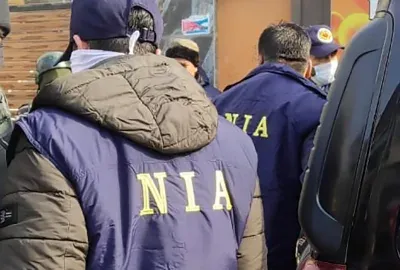
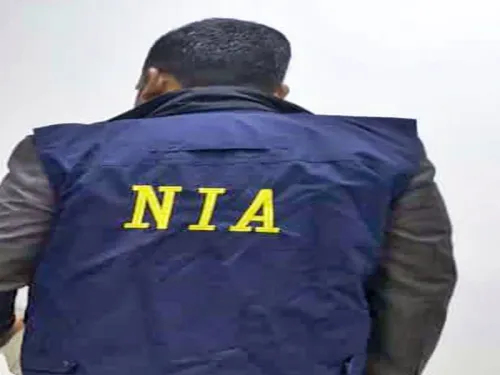
The police dismantled the network with the arrests of Rahamatullah Sharif, Danish, and Sohail Baig.
The Counter-Intelligence Cell apprehended the suspects after monitoring their activities on social media.
Sayeeda Begum was taken into custody in Hyderabad last month, while other suspects were detained in various states.
The suspects were allegedly working to influence and radicalize youth via social media platforms like Instagram and Telegram to engage in terrorist activities.
A case has been filed against the suspects under multiple sections of the Unlawful Activities (Prevention) Act (UAPA), BNS, and the Information Technology Act at the Vijayawada Two Town Police Station.
The FIR lists twelve suspects from diverse states, including Andhra Pradesh, Telangana, Bihar, Delhi, Rajasthan, Karnataka, Maharashtra, and West Bengal.
The ongoing investigation of the remaining seven suspects is anticipated to unveil further insights into their alleged terror schemes.
Point of View
The Vijayawada terror network case highlights a significant security threat. The involvement of foreign handlers in directing domestic radical activities raises concerns about the increasing influence of extremist ideologies in India. A thorough investigation is essential to dismantle such networks and protect national integrity.
NationPress
19 Sept 2026
Frequently Asked Questions
What is the Vijayawada terror network case about?
The case involves suspects allegedly working under the directives of a foreign handler to expand AQIS and ISIS activities in India.
Who is Al-Hakeem Shukoor?
Al-Hakeem Shukoor is identified as a foreign handler directing the suspects in their terror activities.
How did the suspects connect with Shukoor?
The suspects reportedly made contact with Shukoor through social media platforms.
What are the charges against the accused?
The accused face multiple charges under the Unlawful Activities (Prevention) Act (UAPA) and the Information Technology Act.
What is the purpose of groups like 'BENX COM'?
These groups were created to recruit individuals for potential terrorist activities and indoctrinate them into Jihadi ideologies.