Tamil Nadu CM Vijay's Assembly gesture sparks debate on actor-politicians in India
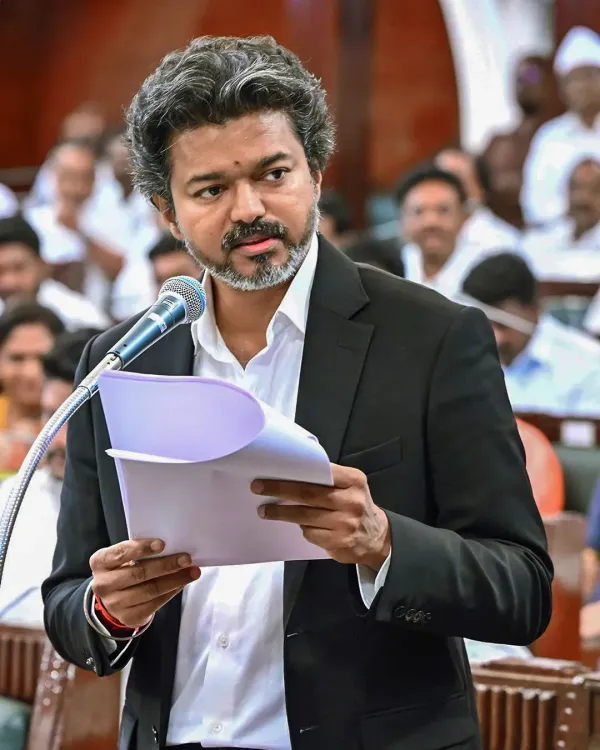
Synopsis
Tamil Nadu CM Vijay's dramatic hand-slashing gesture in the Assembly — performed with the Speaker's permission — has reignited a decades-old debate: can India's actor-politicians separate their screen persona from their legislative role? From MGR to Amitabh Bachchan to Pawan Kalyan, the record suggests the arc lights rarely dim inside the House.
Key Takeaways
Joseph Vijay performed a cinematic hand-slashing gesture in the Assembly, drawing Opposition protests over 'scripted theatrics'.
Stalin and his son Udhayanidhi Stalin accused Vijay of turning the House into a film set.
Vijay sought Speaker J.C.D.
Prabhakar's permission before the gesture, which followed a punch-dialogue-style narration.
MGR was the first film star to become a state Chief Minister in India, establishing the template of cinematic politics in the legislature.
Prominent film-star MPs have included Amitabh Bachchan , Dharmendra , Rekha , Govinda , Sunny Deol , and Hema Malini , among others.
Critics argue most actor-legislators have underperformed relative to their on-screen personas, yet continue to enjoy strong electoral mandates.
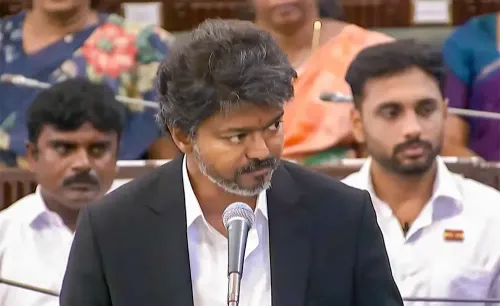
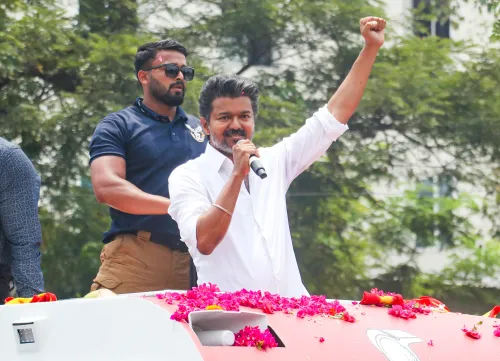
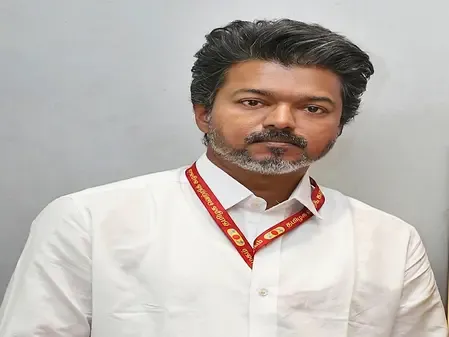
A fresh controversy has erupted in the Tamil Nadu Legislative Assembly after Chief Minister C. Joseph Vijay, the actor-turned-politician, performed a dramatic hand-slashing gesture during a session, prompting sharp protests from the Opposition over what critics called the conversion of legislative proceedings into a 'scripted performance'.
Vijay reportedly sought permission from Speaker J.C.D. Prabhakar before delivering the gesture, which followed a 'short story' narration and punch-dialogue-style rhetoric unmistakably drawn from his cinematic persona.
DMK's Criticism and the Opposition Response
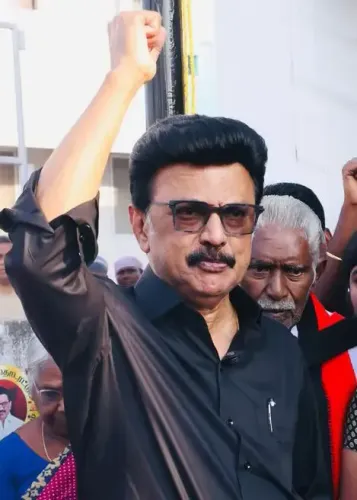
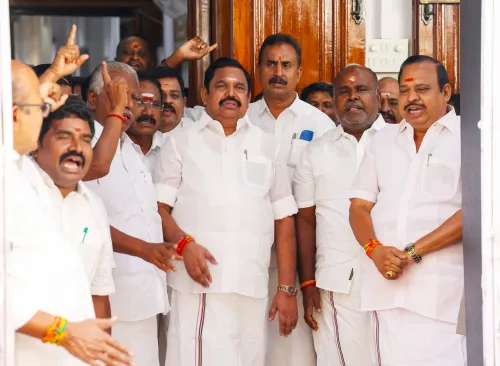
Dravida Munnetra Kazhagam (DMK) leader and former Chief Minister M.K. Stalin was among the most vocal critics, accusing Vijay of staging a 'scripted acting performance' in place of substantive governance debate. Stalin's son and former Deputy Chief Minister Udhayanidhi Stalin echoed the charge, alleging that the Chief Minister had reduced the House to a film set through 'scripted theatrics'. The Opposition argued that Vijay's cinematic style ran contrary to the dignity of the legislature.
A Long Tradition of Filmy Politics in Indian Legislatures
The Tamil Nadu episode is hardly an isolated incident. Indian legislatures have a documented history of theatrical gestures, especially in states where film stars have crossed over into politics. In the Karnataka Assembly, legislators have reportedly sung songs and enacted symbolic gestures during debates, drawing both applause and censure. Actor-turned-politician Sunil Dutt is said to have invoked cinematic analogies in Parliament, while Shiv Sena MLAs have staged dramatic protests in costume.
Notably, most actor-lawmakers have been considerably quieter in legislative chambers than their on-screen characters would suggest — a pattern that arguably extends to All India Trinamool Congress (TMC) MP from Asansol, Shatrughan Sinha, whose famous one-word catchphrase 'Khamosh (be quiet)!' has rarely translated into outsized legislative impact. While Parliamentary privilege legally protects such expressions, theatrical conduct remains subject to the Speaker's discretion.
The MGR and NTR Template
M.G. Ramachandran (MGR), the first film star to become a state Chief Minister in India, is widely credited with establishing the template. He reportedly used film dialogues and heroic imagery in his speeches, projecting a 'protector of the poor' persona that blurred the boundary between cinema and governance. His style set the standard for actor-politicians who followed.
In Andhra Pradesh, N.T. Rama Rao (NTR) brought mythological references, dramatic pauses, and dialogue delivery reminiscent of his screen roles into political speeches. J. Jayalalithaa of Tamil Nadu remains one of the most influential women leaders to have emerged from a film background in Indian politics.
Bollywood MPs: From Allahabad to Mathura
At the national level, several prominent film personalities have served in Parliament. Amitabh Bachchan joined the Indian National Congress (Congress) following the assassination of Prime Minister Indira Gandhi in 1984, contesting and winning the Lok Sabha election from Allahabad. However, by 1987, he was reportedly linked to financial irregularities connected to the Bofors gun scandal, which is said to have prompted his decision to exit politics. His wife, actress Jaya Bachchan, has since served five terms as a Rajya Sabha member from the Samajwadi Party.
Their 'Sholay' co-star Dharmendra entered the Lok Sabha in 2004 from Bikaner in Rajasthan as a Bharatiya Janata Party (BJP) MP. His partner Hema Malini is a three-time BJP Lok Sabha member from Mathura, Uttar Pradesh. Dharmendra's son Sunny Deol won the Gurdaspur Lok Sabha seat in Punjab for the BJP in 2019. Actor Govinda won the Mumbai North Lok Sabha seat in 2004 as a Congress candidate.
More recently, Andhra Pradesh Deputy Chief Minister and Janasena Party leader Pawan Kalyan, the first BJP MP from Kerala Suresh Gopi, Bhojpuri film stars and BJP members Ravi Kishan and Manoj Tiwari, along with Kangana Ranaut and Smriti Irani, have all made the transition from screen to legislature.
On-Screen Heroes, Off-Screen Lawmakers
Despite their larger-than-life screen personas — delivering high-decibel dialogues and playing Robin Hood-style characters — most actor-legislators have, according to critics, delivered muted performances inside legislative chambers. Yet their substantial fan followings have continued to return them to power, reflecting a persistent public trust that these figures can translate screen heroism into real-world advocacy for common aspirations. The Tamil Nadu controversy, in that sense, is less an aberration and more the latest chapter in a decades-long story of cinema and politics sharing the same stage in India.
Point of View
Then watch those stars deliver underwhelming legislative records. Vijay's gesture is not the problem — the absence of substantive debate is. That DMK, a party with its own deep roots in Tamil cinema, is leading the charge against 'scripted theatrics' carries a certain irony that mainstream coverage has largely glossed over. The real question is whether the controversy will pressure Vijay into demonstrating policy depth, or simply generate the kind of publicity that has historically benefited actor-politicians more than it has hurt them.
NationPress
23 Sept 2026
Frequently Asked Questions
What did Tamil Nadu CM Vijay do in the Assembly that sparked controversy?
Chief Minister C. Joseph Vijay performed a dramatic hand-slashing gesture during an Assembly session after narrating a 'short story' in a punch-dialogue style reminiscent of his film roles. He reportedly sought Speaker J.C.D. Prabhakar's permission before the gesture, but the Opposition, led by DMK's M.K. Stalin, condemned it as 'scripted theatrics' unbecoming of the legislature.
Who criticised CM Vijay over the Assembly incident?
DMK leader and former Chief Minister M.K. Stalin was among the most vocal critics, accusing Vijay of staging an acting performance instead of addressing governance issues. Stalin's son and former Deputy Chief Minister Udhayanidhi Stalin also criticised the gesture, calling it contrary to the dignity of the House.
Which actor-politicians have served in the Indian Parliament?
Several prominent film personalities have served in Parliament, including Amitabh Bachchan and Dharmendra in the Lok Sabha, and Rekha in the Rajya Sabha. More recently, Pawan Kalyan, Suresh Gopi, Ravi Kishan, Manoj Tiwari, Kangana Ranaut, and Smriti Irani have also held legislative office.
Who was the first film star to become a Chief Minister in India?
M.G. Ramachandran (MGR) was the first actor in India to become a state Chief Minister. He reportedly used film dialogues and heroic imagery in his speeches and projected a 'protector of the poor' persona, setting the template for actor-politicians who followed.
Are theatrical gestures in the legislature legally protected in India?
Statements and gestures made inside Parliament and state legislatures are legally protected under Parliamentary privilege. However, theatrical conduct remains subject to the presiding officer's — typically the Speaker's — discretion, who can intervene if proceedings are deemed undignified.