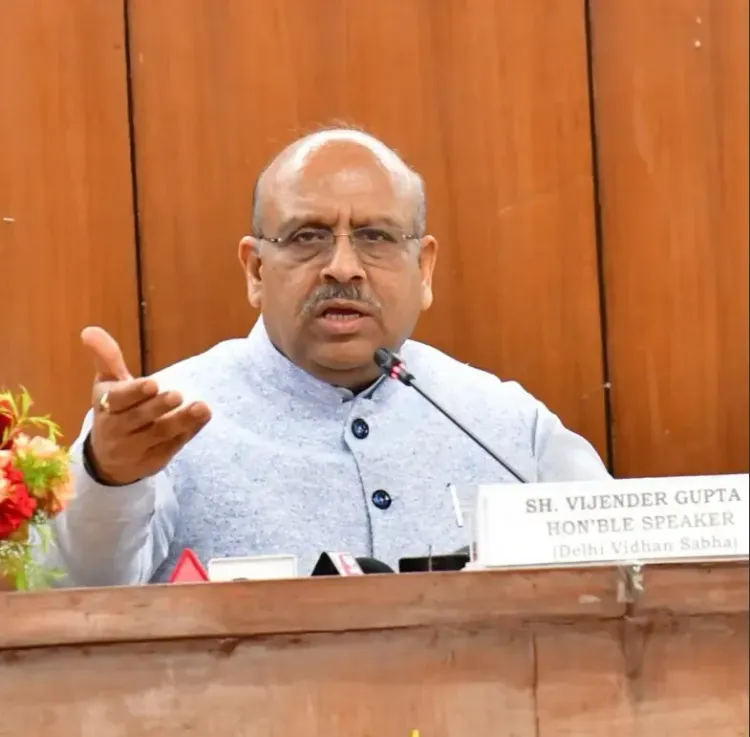
Delhi Assembly Speaker Vijender Gupta Addresses Major Flaws in Excise System
Synopsis
On April 2, Delhi Assembly Speaker Vijender Gupta exposed critical flaws in the excise framework, urging immediate action on Public Accounts Committee recommendations. This highlights the pressing need for accountability in governance and public health safety.
Key Takeaways
Systemic failures in Delhi's excise framework identified.
Call for time-bound action on Public Accounts Committee's recommendations.
Excise departments to review and report by January 31, 2027.
Concerns over public health and significant revenue losses.
Issues in licensing processes highlighted.
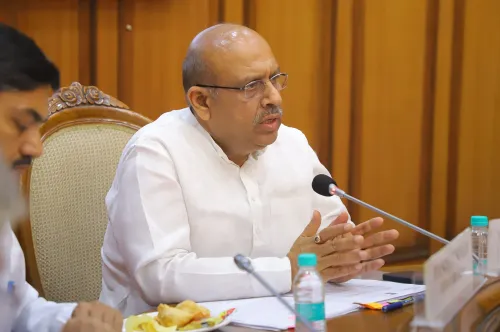
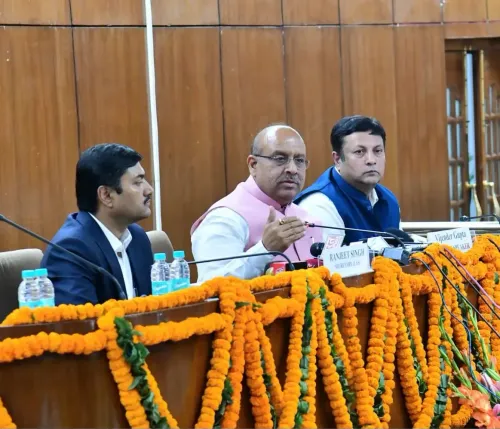
New Delhi, April 2 (NationPress) The Speaker of the Delhi Assembly, Vijender Gupta, raised concerns on Thursday regarding significant systemic failures in the excise framework and urged for prompt actions based on the recommendations from the Public Accounts Committee, as reported by an official.
He emphasized the need for measures to ensure accountability and to achieve timely adherence to legislative oversight.
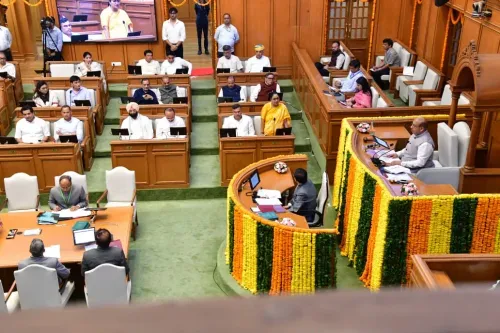
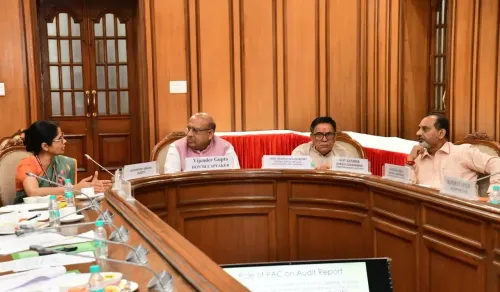
In response to the adoption of the second report from the Committee on Public Accounts, regarding the CAG's Report on Performance Audit of Liquor Regulation and Supply in Delhi, the Delhi Assembly Secretariat has instructed relevant departments to assess the Committee's recommendations.
The Secretariat has also requested these departments to provide an action report detailing the status as of December 31, 2026, to be submitted by January 31, 2027, at the latest.
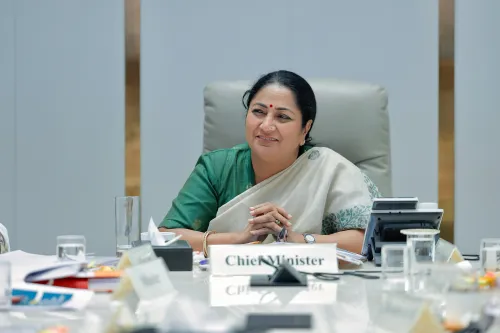
A formal notification has been dispatched to the Delhi Excise Minister (Chief Minister Rekha Gupta) and the Principal Secretary (Finance) (Ashish Chandra Verma), outlining these directives and requesting a comprehensive and timely response to the Committee's findings and recommendations, thus commencing the follow-up at the departmental level,” the statement indicated.
This directive initiates a vital follow-up exercise, establishing clear responsibilities for the Executive to act within a specified timeframe regarding the findings presented to and approved by the House.
The objective is to ensure that the observations made by the Public Accounts Committee lead to tangible administrative actions and measurable results, as stated in the announcement.
Speaker Gupta pointed out that the Committee's report highlighted serious systemic inadequacies in the regulation, licensing, pricing, quality control, enforcement, and overall policy execution of the Excise Department. These deficiencies have resulted in substantial revenue losses totaling Rs 2,026.91 crore and present significant risks to public health and governance.
He further noted that the Excise Supply Chain Information Management System (ESCIMS) was ineffective in tracking liquor sales due to an over-reliance on the “stock take sold” method and the presence of numerous unaccounted barcodes, leading to possible revenue leakages. Additionally, the Excise Intelligence Bureau module remained underutilized and dysfunctional for intelligence purposes.
Speaker Gupta identified widespread issues in the licensing processes, including the lack of record production and the issuance of multiple licenses to affiliated entities. There was also ambiguity in defining and regulating the Ex-Distillery Price and Ex-Brewery Price, which resulted in discretionary pricing, undue advantages for licensees, and inflated profit margins.
Point of View
The recent revelations by Delhi Assembly Speaker Vijender Gupta regarding the excise framework's systemic failures underscore a critical need for accountability and reform in governance. The substantial revenue losses and risks to public health outlined in the Public Accounts Committee's report demand immediate attention and action from relevant authorities.
NationPress
2 Oct 2026
Frequently Asked Questions
What were the main issues highlighted by Speaker Vijender Gupta?
Speaker Vijender Gupta outlined serious systemic deficiencies in the excise framework, including ineffective licensing processes and significant revenue losses.
What actions have been requested from the excise departments?
The excise departments have been instructed to review the Public Accounts Committee's recommendations and submit an action report by January 31, 2027.
Who were the officials addressed in the formal communication?
The formal communication was directed to Delhi Excise Minister Rekha Gupta and Principal Secretary of Finance Ashish Chandra Verma.
What is the significance of the ESCIMS system mentioned?
The Excise Supply Chain Information Management System (ESCIMS) has been criticized for failing to effectively track liquor sales, contributing to potential revenue leakages.
How much revenue loss has been attributed to the excise framework issues?
The systemic failures have led to revenue losses amounting to Rs 2,026.91 crore.