White House Defends Iran War Strategy Against Media Criticism
Synopsis
The White House has strongly rebutted claims from major US newspapers regarding the Trump administration's handling of the Iran war, labeling it a 'false narrative.' Press Secretary Karoline Leavitt insists that the objectives of Operation Epic Fury have always been clear and consistent.
Key Takeaways
White House defends military strategies regarding Iran .
Media reports are termed a 'false narrative' by Press Secretary Karoline Leavitt .
Clear objectives for Operation Epic Fury communicated from the start.
President Trump outlines key military goals.
Concerns about the impact on global energy markets.
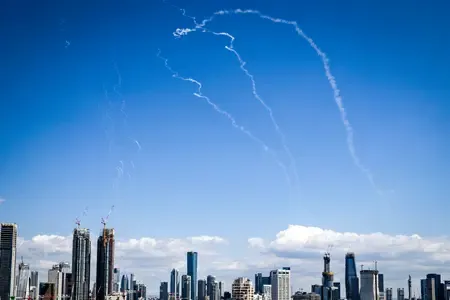
Washington, March 12, (NationPress) The White House strongly countered critical narratives from prominent US newspapers regarding the Trump administration’s approach to the war with Iran and its effects on global energy markets, claiming the media is propagating a "false narrative" regarding the military campaign's objectives.
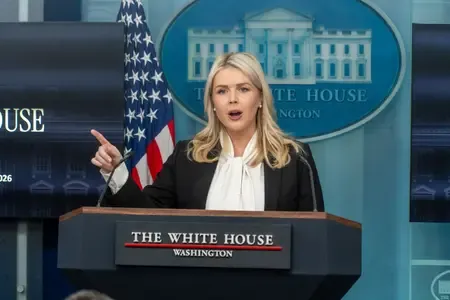
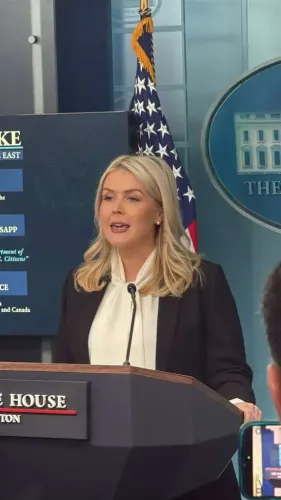
Press Secretary Karoline Leavitt asserted that claims of confusion or "mixed messaging" about the aims of Operation Epic Fury were inaccurate.
“The left-wing media is misleading the public and fostering a false narrative that suggests there has been 'mixed messaging' concerning the goals of Operation Epic Fury," Leavitt declared via social media.
Her comments followed reports from the New York Times and Wall Street Journal that questioned the administration's strategy, its evaluation of Iran’s reactions, and the swift policy changes regarding emergency oil market intervention.
Leavitt emphasized that the administration has consistently communicated its military objectives since the campaign's inception.
“From the outset, President Trump and his entire team have clearly articulated the objectives to the American public regarding what the US Military aims to achieve through these ongoing successful major combat operations,” she stated.
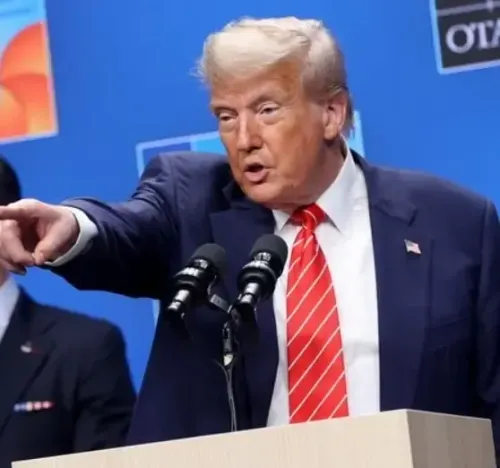
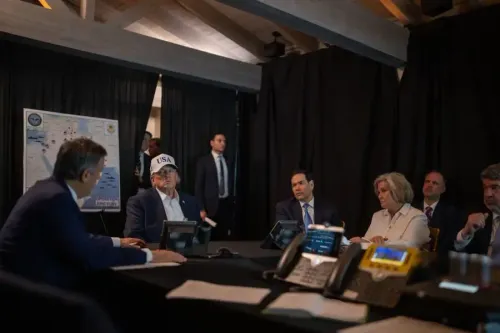
President Donald Trump had previously specified the mission in his public speeches.
“Our goals are clear. First, we’re dismantling Iran’s missile capabilities... Second, we’re obliterating their navy... Third, we’re ensuring that the world’s top sponsor of terrorism can never acquire a nuclear weapon... And finally, we’re making sure the Iranian regime can no longer arm, fund, and direct terrorist factions beyond their borders,” Trump articulated on March 2.
Senior defense officials have outlined similar operational aims.
“The mission is precisely defined: eliminate Iran’s missile and drone capabilities and the facilities that produce them, destroy its navy and vital security infrastructure, and obstruct their avenues to nuclear armament,” the US Defense Secretary stated on March 4.
Admiral Brad Cooper characterized the military operation as a significant endeavor aimed at diminishing Iran’s threat to the United States.
“Our military in the Middle East is engaged in an unparalleled operation to neutralize Iran’s capacity to threaten Americans, as they have been doing for almost fifty years,” Cooper mentioned.
The Wall Street Journal reported that the administration initially resisted a large-scale intervention in global oil markets, only to reverse that stance within hours, urging allies to back an unprecedented release of emergency oil reserves.
This shift was said to reflect a change in Trump’s stance as officials hurried to stabilize markets amid concerns that the conflict could disrupt energy supplies.
The New York Times reported separately that the administration might have misjudged how aggressively Iran would react to the military actions and the potential risks to global energy supplies through the Persian Gulf.
The report highlighted that oil prices surged and shipping disruptions occurred as tensions rose, prompting officials to seek measures to mitigate a potential economic crisis.
Leavitt defended the administration’s management of the energy situation, stating that the decision to release oil reserves aligns with Trump’s earlier commitments.
“President Trump previously indicated that he would judiciously utilize the Strategic Petroleum Reserve at the appropriate moment, and that moment is now,” she concluded.
Point of View
It is crucial to present an unbiased perspective on the ongoing military operations and the White House's responses. While the administration defends its strategies and objectives, it is also essential to consider the implications of such military actions on global stability and energy markets.
NationPress
28 Sept 2026
Frequently Asked Questions
What is the primary objective of Operation Epic Fury?
The main objectives include dismantling Iran’s missile capabilities, destroying its navy, preventing nuclear armament, and stopping the regime from supporting terrorist organizations.
How has the White House responded to media criticism?
The White House has labeled the media's portrayal as a 'false narrative' and insists that it has consistently communicated clear military objectives.
What has President Trump publicly stated about the military campaign?
President Trump has outlined clear goals, including the destruction of Iran's military capabilities and ensuring they do not acquire nuclear weapons.
What are the implications for global energy markets?
The ongoing conflict and the US administration's responses have raised concerns about potential disruptions in energy supplies, leading to fluctuations in oil prices.
Why did the administration change its stance on oil market intervention?
The administration reversed its initial opposition to large-scale intervention in oil markets due to rising concerns about stabilizing energy supplies amidst the conflict.