Can WHO and Ayush Ministry Unify Traditional Medicine Globally?
Synopsis
The collaboration between WHO and the Ministry of Ayush aims to revolutionize the healthcare landscape by incorporating traditional medicine into a global framework. This initiative could significantly enhance healthcare accessibility and efficacy worldwide.
Key Takeaways
WHO and Ayush collaborate to integrate traditional medicine.
A two-day meeting established an intervention code for traditional practices.
The initiative follows a significant MoU signed in May.
Global participation ensures a comprehensive perspective.
This project aims to standardize Ayurveda , Siddha , and Unani medicine in global healthcare.
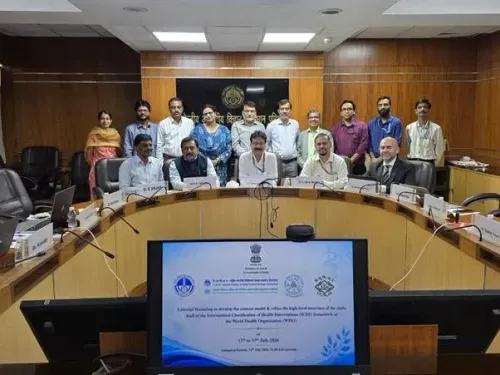
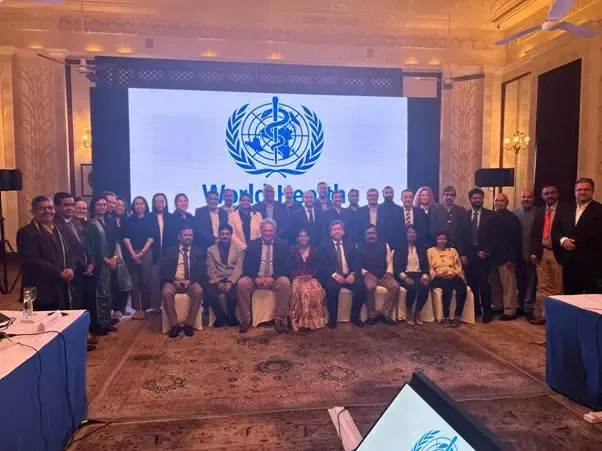
New Delhi, Dec 22 (NationPress) The World Health Organization (WHO) and the Ministry of Ayush conducted a pivotal two-day technical meeting focused on merging traditional medicine into global health intervention standards, as stated by the Ministry on Monday.
This meeting on traditional medicine (TM), which took place from December 20-21 in the national capital, aimed to establish an intervention code.
The initiative stemmed from a significant Memorandum of Understanding (MoU) and Donor Agreement signed between the Ministry of Ayush and WHO in May.
According to the Ministry, this agreement is fundamental in developing a dedicated Traditional Medicine module within the International Classification of Health Interventions (ICHI), which serves as the global standard for classifying healthcare interventions. India is playing a crucial role in providing both the financial and technical frameworks required to integrate Ayurveda, Siddha, and Unani (ASU) systems into mainstream global healthcare.
The Ministry emphasized, "Integrating traditional medicine into ICHI is essential because intervention coding creates a common language for health procedures across various countries and medical systems. Standardizing these codes enables healthcare providers to document, report, and analyze the frequency and effectiveness of traditional treatments more effectively."
The technical discussions were chaired by Kavita Garg, Joint Secretary of the Ministry of Ayush, who guided the Indian team in developing National Health Intervention Codes for Ayurveda, Siddha, and Unani medicine.
Participants included representatives from all six WHO regions—Africa, Americas, Eastern Mediterranean, Europe, Southeast Asia, and Western Pacific—ensuring a comprehensive global view on traditional medicine.
Member states like Bhutan, Brazil, India, Iran, Malaysia, Nepal, Mauritius, South Africa, Sri Lanka, Philippines, UK, and US participated to review their national statuses and harmonize intervention descriptions.
The Ministry affirmed that the project will be managed by WHO with strict timelines, adopting a scientific approach.
This will not only support clinical research and policy development but also facilitate the integration of traditional medicine within global national health information systems.
Point of View
The collaboration between the WHO and the Ministry of Ayush represents a significant stride towards recognizing the value of traditional medicine. This initiative not only showcases India's commitment to merging ancient practices with modern healthcare but also highlights the potential for global health standardization. It is a step towards a more inclusive healthcare system that respects diverse medical traditions.
NationPress
19 Sept 2026
Frequently Asked Questions
What was the main purpose of the WHO and Ayush meeting?
The main purpose was to integrate traditional medicine into global health intervention standards, establishing an intervention code for traditional practices.
What is the significance of the MoU signed between WHO and the Ministry of Ayush?
The MoU is crucial for developing a Traditional Medicine module within the International Classification of Health Interventions, which will help standardize healthcare practices globally.
How will this initiative impact traditional medicine?
This initiative will promote the integration of Ayurveda, Siddha, and Unani systems into mainstream healthcare, allowing for better documentation and analysis of traditional treatments.