CJP protest funding row: Who is bankrolling Delhi's demonstrations?
Synopsis
American singer Mary Millben's allegation that Delhi's CJP protests are being bankrolled by US donors — specifically naming George Soros — has collided with similar claims from former Solicitor General Harish Salve, putting the organisation's self-funding claim under unprecedented pressure. The CJP's response so far has been deflection, not disclosure.
Key Takeaways
American singer Mary Millben alleged in a video message that the CJP 's Delhi protests are funded by 'select US donors,' naming billionaire George Soros — without providing documentary evidence.
CJP founder Abhijeet Dipke dismissed funding queries at a Mumbai press conference on 1 October , asserting the organisation is self-funded by its founding team.
The July Jantar Mantar protest drew attention for reportedly substantial expenditure on food, travel, and hotel gatherings, raising questions about the scale of financing.
Former Solicitor General Harish Salve separately alleged foreign — particularly US — funding behind protest activities and cited events in Nepal, Sri Lanka and Bangladesh as indicative of a pattern.
Legal experts and commentators argue that the right to protest does not exempt any organisation from accountability over its funding sources.
Questions about the financial backing behind the Cockroach Janata Party (CJP)'s protests in Delhi have intensified following claims by American singer Mary Millben that the organisation is being funded by 'select US donors.' The allegations, which Millben made in a video message addressed to young Indians, have reignited a broader debate about the transparency of protest financing in India.
Scale of Spending Draws Scrutiny
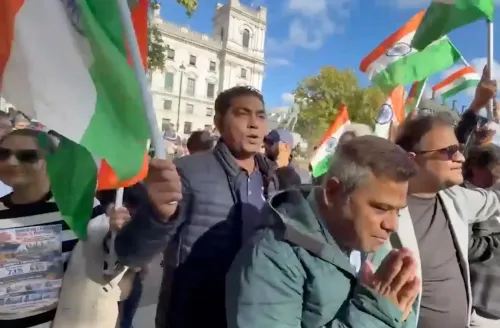
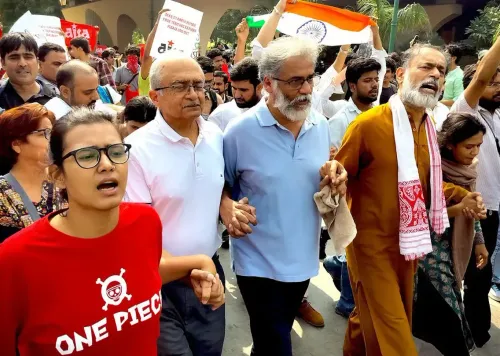
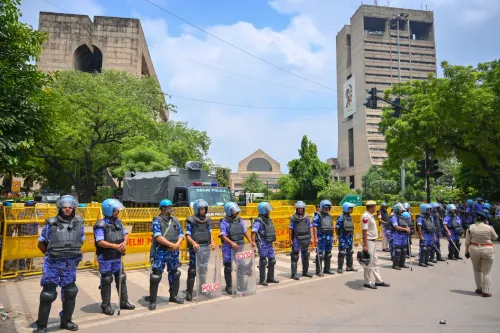
The volume of expenditure at recent CJP-linked protests has drawn considerable attention. At the July Jantar Mantar protest, observers noted the provision of food, ice cream, cakes and drinks served to crowds numbering in the hundreds. Reports have also cited frequent air travel, expensive cars, and gatherings at high-end hotels among the activities linked to the organisation's leadership. The cumulative cost of these arrangements has prompted recurring questions about the source of funds.
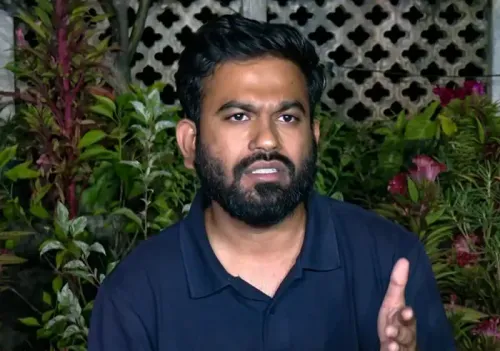
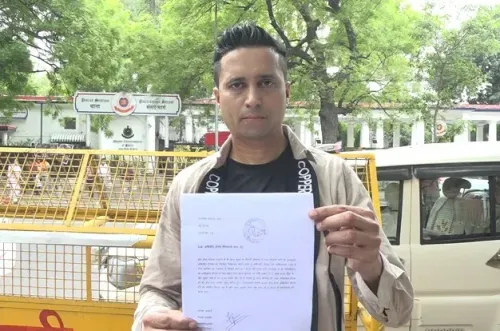
The CJP maintains that it is self-funded by its founding team and does not accept political donations. CJP founder Abhijeet Dipke, at a press conference in Mumbai on 1 October, dismissed the funding queries as irrelevant, countering that disclosing finances had no bearing on alleged irregularities at the Election Commission. He also noted that he wore shoes worth ₹30,000 and was unapologetic about it, citing personal affordability. Critics argue, however, that personal spending and organisational financing are distinct matters, and that deflecting with personal anecdotes does not constitute a substantive answer.
Millben's Allegations and the Soros Claim
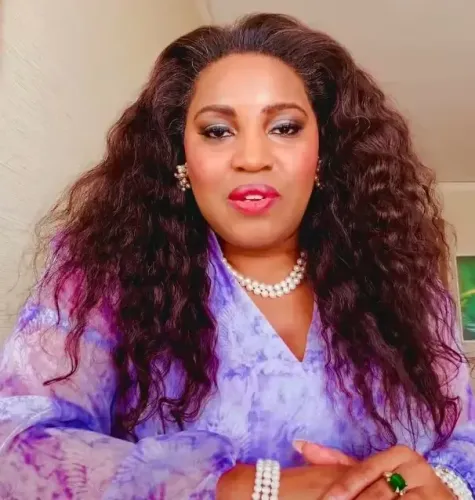
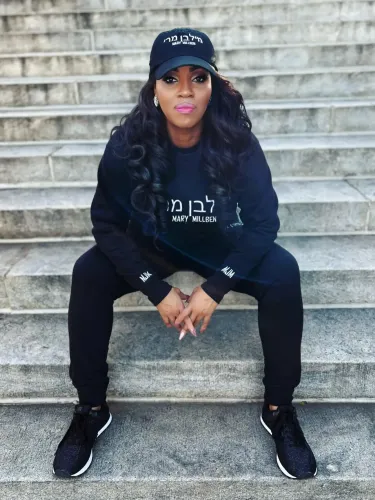
Mary Millben is not a politician — she is an American singer and actor who has performed for five sitting US presidents: George W. Bush, Barack Obama, Donald Trump during his first term, Joe Biden, and Trump during his second term. In her video message, she named billionaire George Soros, alleging that he and his network were funding protests globally, particularly in countries governed by conservative leaders.
'It's the same person or same group of people, certainly coming from America, that's funding a lot of these protests across the world, particularly when you have a conservative leader at the top of the ticket or running the government. The name is George Soros, and that whole machine of people are constantly funding a lot of these protests and chaos that's breaking out across the world,' Millben said.
Notably, Millben has not provided documentary evidence to substantiate the allegation. In an earlier post on X, she described what she characterised as a recurring pattern: targeting conservative governments, identifying educated nationals, radicalising them, and funding disruptive activities. The CJP has rejected her claims.
Harish Salve Raises Foreign Funding Concerns
Senior advocate and former Solicitor General of India Harish Salve has separately raised concerns about alleged foreign interference. In a recent interview, he alleged that certain foreign countries — specifically naming the United States — were displeased with India's current leadership and suggested that events in Nepal, Sri Lanka and Bangladesh pointed to a pattern of external destabilisation.
'I believe that foreign funding is being provided for these efforts and that they are being instigated from abroad. This is my allegation. Some foreign countries, particularly the United States, are not happy with India,' Salve said. He also questioned the financial sources behind protest organisers, referring by name to YouTubers, Dipke, Saurav Das and individuals based overseas, arguing that funding for organised protest activity needed to be examined.
These are serious allegations that, critics note, must neither be accepted as established fact nor dismissed without scrutiny. If credible evidence of unlawful foreign funding or external interference exists, it warrants formal investigation by authorities.
The Broader Democratic Question
The debate is unfolding against a challenging geopolitical backdrop. The US-Israel military action against Iran and the reported closure of the Strait of Hormuz have created economic and strategic pressures for India. Meanwhile, the government has continued to pursue bilateral economic partnerships amid the uncertainties generated by US President Donald Trump's foreign policy shifts.
The right to protest is a constitutionally protected democratic freedom, and opposing the government through peaceful means is a legitimate exercise of that right. But legal and constitutional protections for dissent do not exempt any organisation from questions about the lawfulness and transparency of its funding. India's electoral system provides the formal mechanism for political contestation — the ballot, not engineered chaos, is the test any movement ultimately faces.
Whether the CJP and associated groups will respond with financial disclosures, or continue to deflect, is a question that will determine the credibility of their activities — and the extent to which regulators and investigators take up the matter.
Point of View
While Salve's concerns, though from a legally credible voice, remain assertions. The CJP's response — personal anecdotes about shoe prices and counter-questions about the Election Commission — sidesteps the actual issue entirely. In a democracy where FCRA regulations exist precisely to prevent foreign money from distorting domestic politics, the question of funding transparency is not a political attack; it is a legal obligation. If the CJP's finances are clean, disclosure would be its strongest defence. The continued silence is the story.
NationPress
18 Oct 2026
Frequently Asked Questions
What are the allegations about CJP protest funding?
American singer Mary Millben alleged in a video message that the Cockroach Janata Party (CJP) is being funded by 'select US donors,' naming billionaire George Soros as the primary source. She has not provided documentary evidence for the claim. The CJP denies the allegations and says it is self-funded by its founding team.
Who is Mary Millben and why are her remarks significant?
Mary Millben is an American singer and actor who has performed for five US presidents, including George W. Bush, Barack Obama, Joe Biden, and Donald Trump across both his terms. Her remarks are significant because they explicitly named George Soros and described an alleged global pattern of US-backed funding targeting protests in countries with conservative governments — though she has provided no supporting evidence.
What has CJP founder Abhijeet Dipke said about the funding questions?
At a press conference in Mumbai on 1 October, Dipke dismissed the funding queries as irrelevant, arguing that financial disclosure had no bearing on alleged irregularities at the Election Commission. He also noted personal affluence — citing ₹30,000 shoes — though critics point out that personal spending and organisational financing are entirely separate matters.
What concerns has Harish Salve raised about foreign funding?
Former Solicitor General of India Harish Salve alleged in an interview that foreign countries, particularly the United States, were funding and instigating protest activities in India, drawing parallels with political developments in Nepal, Sri Lanka and Bangladesh. He named protest organisers including Dipke and Saurav Das and called for scrutiny of funding sources.
Is it illegal for Indian protest organisations to receive foreign funding?
Indian law — specifically the Foreign Contribution Regulation Act (FCRA) — places strict restrictions on foreign funding for political and civil society activities. If any organisation is found to have received undisclosed or unlawful foreign contributions, it can face significant legal consequences. Investigators and regulators would need to examine available evidence before any findings can be made.