Jamia Millia Islamia’s Symposium Celebrates Women’s Literary Contributions
Synopsis
A national symposium at Jamia Millia Islamia highlighted women's pivotal role in literature, featuring eminent speakers and critical discussions on identity, translation, and urban narratives. The event aimed to amplify women's voices and foster meaningful academic discourse.
Key Takeaways
Women's Voices: Highlighting their critical role in literature.
Academic Commitment: Jamia Millia Islamia's dedication to inclusive discourse.
Critical Exploration: Addressing gendered literary landscapes.
Urban Narratives: Examining the interplay between city life and literature.
Translation Ethics: The need for responsible representation of marginalized voices.
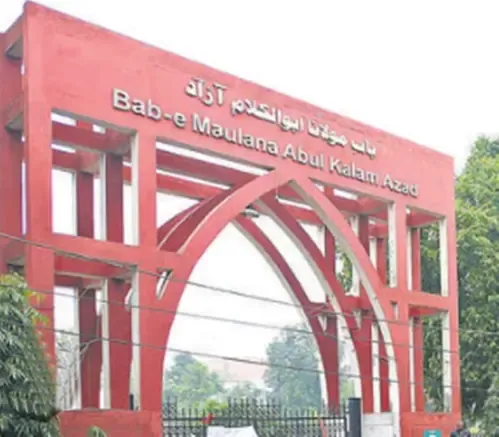
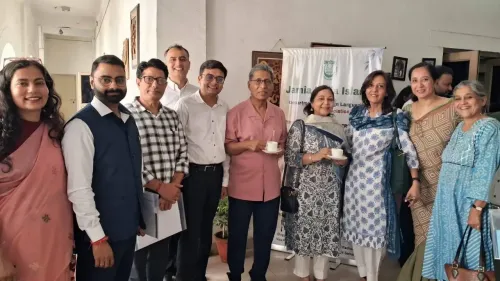
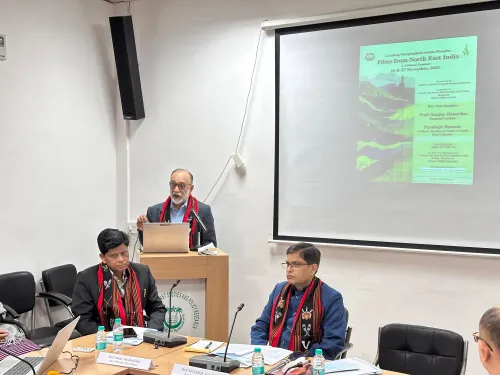
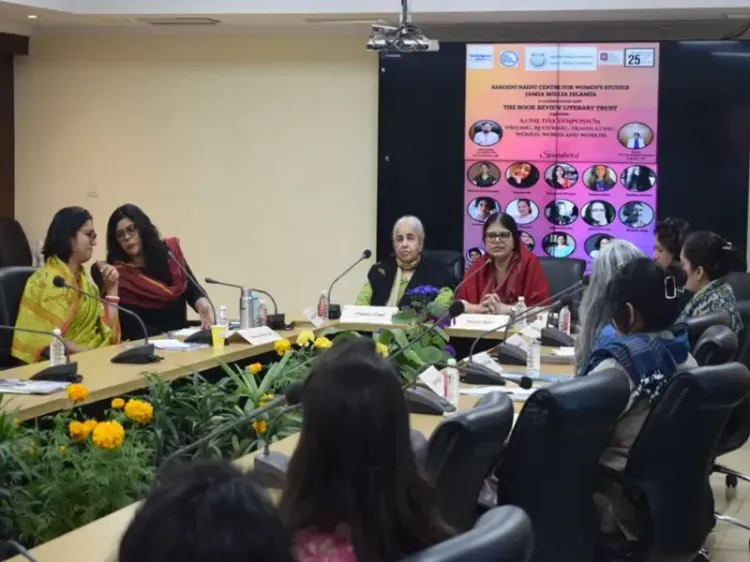
New Delhi, Feb 23 (NationPress) The impact of women on modern literary conversations was highlighted as distinguished authors, critics, and translators gathered at the Sarojini Naidu Centre for Women’s Studies (SNCWS) within Jamia Millia Islamia for a national symposium, as announced by an official on Monday.
This symposium reaffirmed Jamia Millia Islamia’s (JMI) dedication to creating inclusive and critical academic environments that elevate women’s voices in literature, scholarship, and translation. It aimed to foster dialogues that connect various disciplines and communities, according to a release by Saima Saeed, Chief Public Relations Officer of JMI.
The national symposium titled “Writing, Reviewing, Translating: Women, Words, and Worlds” took place on February 17 at Mir Anis Hall, Jamia Millia Islamia, in partnership with The Book Review Literary Trust, celebrating 25 years of the Sarojini Naidu Centre for Women’s Studies.
Nishat Zaidi, Director of the Centre, elaborated on its 25-year journey and accomplishments, emphasizing its contributions to gender-focused scholarship.
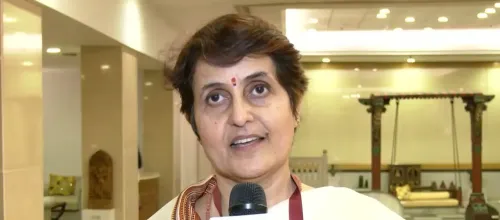
Chandra Chari, Founder Editor of The Book Review Literary Trust, expressed her insights regarding the journal's origins and its ongoing commitment to nurturing critical literary culture in India.
She stressed the significance of book reviewing as a fundamental intellectual practice and highlighted the influence of women in shaping modern literary dialogue through their writing, criticism, and translation.
A session entitled “Reviewing, Writing, Publishing Women – A Critical Exploration of Gendered Literary Landscapes” was moderated by Dr Aakriti Mandhwani.
The panel included Semeen Ali, Rachna Kalra, Malvika Maheshwari, Sucharita Sengupta, and Kanupriya Dhingra, who provided insights based on their professional and academic experiences in literature and publishing.
They deliberated on themes of identity and authorship, the nuances of editorial gatekeeping, the politics surrounding literary knowledge, and the sustainability of women’s writing in South Asia.
The discussions also emphasized the necessity to transcend simplistic categorizations of “women’s writing,” promote mentorship and alternative platforms, and regard reviewing as both a scholarly pursuit and a form of resistance, as per the statement.
A subsequent session titled “Writing the City,” moderated by Faiz Ullah, examined literary interactions with urban spaces, particularly Delhi.
Speakers Ananya Vajpeyi, Ekta Chauhan, and Aishwarya Jha discussed the city as a space of memory, transformation, and emotion.
The conversation explored urban villages, evolving cityscapes, nostalgia, and the relationship between lived experiences and literary creativity, underscoring the interplay between geography and literary expression.
A third session, “Writing/Translating Women,” was led by Amina Hussain, Assistant Professor at SNCWS.
The panel featured prominent Hindi author Mridula Garg, esteemed translator Arjumand Ara, Deeba Zafir, and Firdous Azmat Siddiqui.
The speakers tackled the epistemic marginalization of women’s writing, the challenges of translation, intersectional issues of caste and class, and the portrayals of Muslim women in literature and history, as stated.
The session stressed that writing should inspire critical thought, that translation requires ethical accountability, and that marginalized voices should be represented with depth and sensitivity, reinforcing the broader aims of the symposium.
Point of View
The symposium at Jamia Millia Islamia underscores the critical need for inclusivity in literary conversations. By centering women's experiences and voices, the event aims to challenge traditional narratives and promote a diverse literary landscape that reflects the complexities of society.
NationPress
6 Oct 2026
Frequently Asked Questions
What was the purpose of the symposium at Jamia Millia Islamia?
The symposium aimed to highlight the significant role of women in contemporary literary discourse and promote inclusive academic dialogue.
Who were some of the key speakers at the event?
Notable speakers included Nishat Zaidi, Chandra Chari, and Mridula Garg, among others.
What topics were discussed during the symposium?
Discussions included women's writing, translation challenges, urban literary engagements, and the representation of marginalized voices.
When did the symposium take place?
The symposium took place on February 17, 2023.
What was the significance of the Sarojini Naidu Centre for Women’s Studies?
The Centre has been pivotal in advancing gender-focused scholarship for 25 years, contributing to the academic landscape.