Is South Korea's Yoon Being Sentenced Due to Political Bias?
Synopsis
In a heated legal battle, former South Korean President Yoon Suk Yeol's lawyers have accused a Seoul court of political bias following a five-year prison sentence. This case raises critical questions about judicial independence in South Korea, especially amidst Yoon's ongoing trials related to martial law and other serious allegations. Stay tuned for the latest updates.
Key Takeaways
Yoon Suk Yeol sentenced to five years in prison.
Lawyers accuse the court of political bias.
Upcoming trials may influence South Korean politics.
Public opinion remains divided on the legal proceedings.
The integrity of the judiciary is under scrutiny.
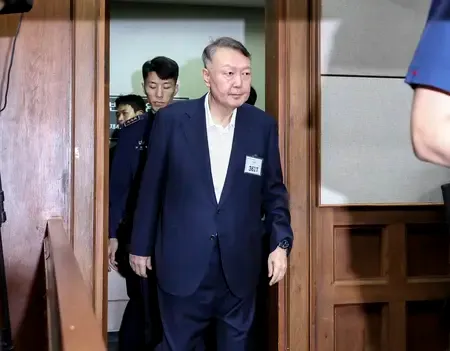
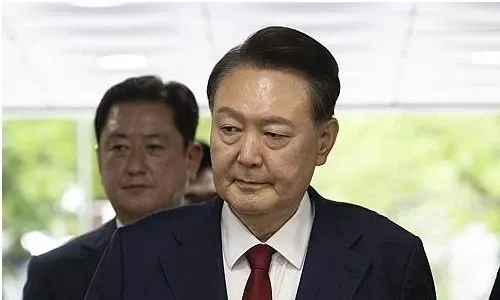
Seoul, January 17 (NationPress) On Saturday, attorneys representing former South Korean President Yoon Suk Yeol criticized a Seoul court for what they deemed a politically charged decision in sentencing their client the day before.
On Friday, the Seoul Central District Court sentenced Yoon to five years in prison for charges that included obstructing investigations into his detainment last year. This ruling marked the first judgment related to Yoon's brief declaration of martial law in December 2024.
Yoon faced accusations of instructing the Presidential Security Service to prevent investigators from carrying out a warrant for his detainment at the presidential residence in January 2025, as reported by Yonhap news agency.
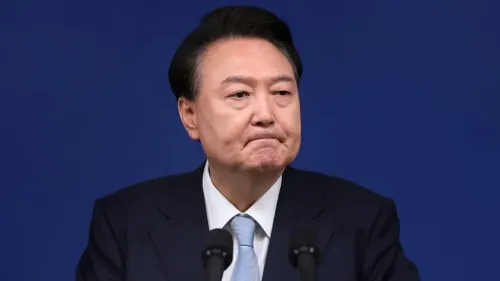
In a statement released on Saturday, Yoon's legal team asserted that the court's decision was “solely driven by political motivations,” expressing concern over the “erosion of legal standards and the deterioration of constitutional values.”
“Judges should be aware of the societal impact of their decisions, but such awareness should not compromise the integrity of their judgments,” the lawyers stated. “Trials must be concluded based on law and evidence, rather than the prevailing political or social conditions. The judiciary's independence and credibility hinge on honoring this principle.”
Yoon's lawyers reiterated several arguments made during the trial, including claims that investigators unlawfully accessed areas not specified in the detainment warrant.
The legal team argued that the Seoul Central District Court failed to maintain impartiality by dismissing these concerns.
On Friday, they declared their intention to appeal the ruling, labeling it “intolerable.”
This verdict could have repercussions for next month's ruling regarding charges that Yoon led an insurrection via his temporary decree.
Earlier this week, special prosecutors sought the death penalty for Yoon concerning the insurrection charge. The court is scheduled to make a ruling on this case on February 19.
The former president faces a total of eight trials linked to the martial law attempt, allegations of corruption against his wife, and the 2023 death of a Marine.
Point of View
It is crucial to observe that the allegations against former President Yoon Suk Yeol are serious and have far-reaching implications. While the legal process unfolds, maintaining a balanced view is essential, as the integrity of the judiciary is at stake. This situation calls for careful scrutiny, ensuring that justice prevails above political narratives.
NationPress
27 Sept 2026
Frequently Asked Questions
What charges is Yoon Suk Yeol facing?
Yoon Suk Yeol is facing multiple charges, including obstruction of justice and leading an insurrection through a temporary martial law declaration.
What was the outcome of the recent court ruling?
The court sentenced Yoon to five years in prison, which his lawyers claim was politically motivated.
When is Yoon's next court hearing?
The next court ruling regarding the insurrection charge is scheduled for February 19.
How does the public view Yoon's legal battles?
Public opinion is divided, with some viewing the trials as politically charged, while others seek accountability for alleged abuses of power.
What are the implications of this ruling for South Korean politics?
The ruling could significantly impact public trust in the judiciary and set a precedent for how political figures are prosecuted in the future.