Are Yunus and Machado Nobel Peace Prize Laureates Without a Public Mandate?
Synopsis
Explore the controversial roles of Muhammad Yunus and Maria Corina Machado, both Nobel Peace Prize laureates, who are criticized for lacking public mandates in their respective countries. This article delves into the intricate political dynamics and foreign influences shaping their leadership and the implications for national sovereignty.
Key Takeaways
Yunus and Machado are Nobel laureates facing public scrutiny.
Both lack a clear public mandate in their countries.
Allegations of foreign influence complicate their leadership.
Concerns about the integrity of the Nobel Prize are growing.
National sovereignty is at risk due to external pressures.
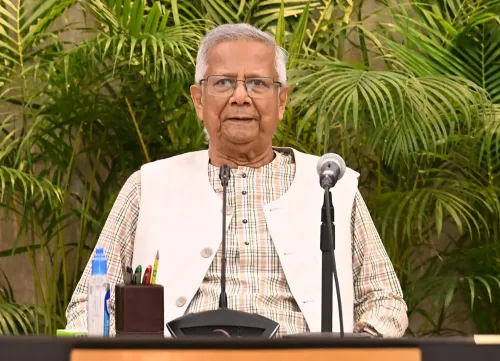
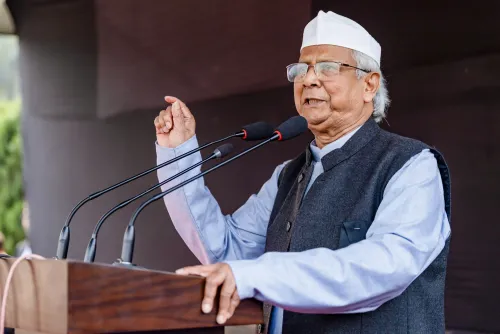
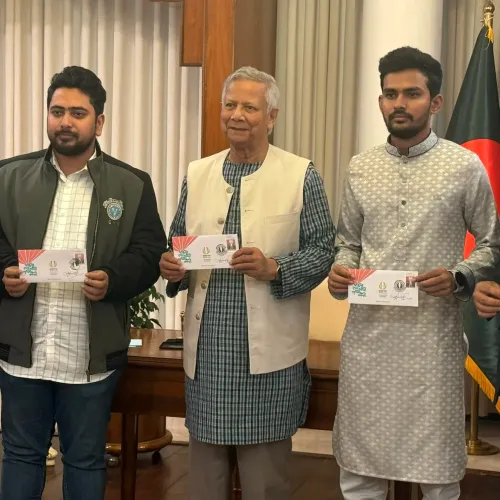
Dhaka, Jan 17 (NationPress) The Chief Advisor of Bangladesh's interim government, Muhammad Yunus, a laureate of the Nobel Peace Prize, has faced significant criticism, ridicule, and mockery throughout his 17-month term, often referred to as a 'darling of the West', according to a report.
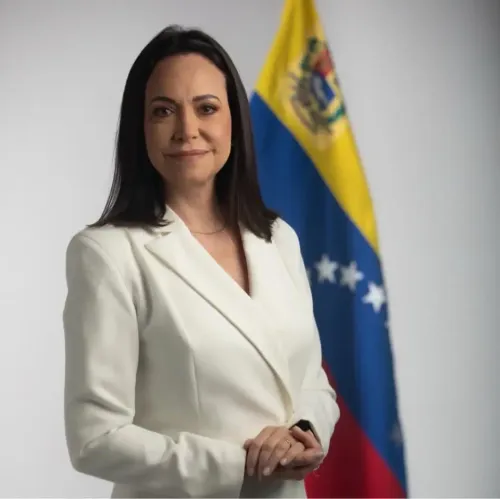
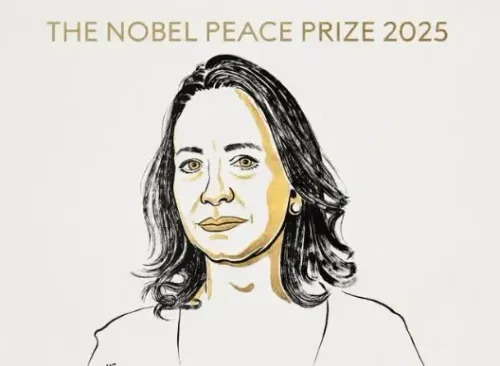
Similarly, Maria Corina Machado, another Nobel Peace Prize winner from Venezuela, has also not obtained a public mandate within her nation. Critics suggest that the US endorsement of her recognition indicates an attempt to establish a compliant government in Venezuela.
Many observers are drawing parallels between the situations in Venezuela and the recent unrest in Bangladesh. They argue that former Prime Minister Sheikh Hasina has been a victim of a regime change orchestrated by foreign entities, including the US. Long-standing accusations against the US of plotting to oust Nicolás Maduro and create a puppet regime in Venezuela have resurfaced. This backdrop has ignited discussions about the implications of the Nobel Peace Prize, as noted in a report by Eurasia Review.
Shortly after Yunus took office as Chief Advisor, allegations arose regarding conflicts of interest due to rapid approvals granting government benefits to entities associated with Grameen Bank, which he founded.
The report indicates that the swift waivers of large tax amounts for Grameen Bank, extended tax exemptions, reduction of government stakes, and expedited licensing for Grameen-related institutions led to perceptions of favoritism, state power abuse, and preferential treatment.
As the interim government leader, Yunus was primarily tasked with ensuring a credible election. However, accusations suggest he prioritized foreign interests, allegedly compromising national sovereignty and strategic decisions. Moves to transfer profitable seaports, like Chittagong Port, to foreign control, or risky geopolitical maneuvers disguised as humanitarian efforts, have prompted critics to label him a puppet serving foreign interests rather than his compatriots.
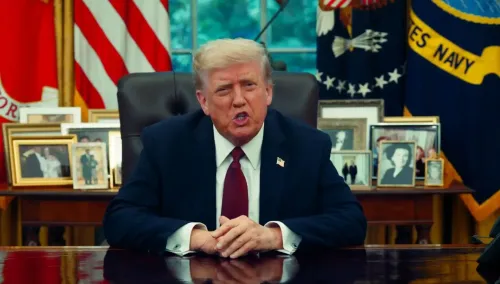
In light of Machado's overtures to the US President following efforts to capture Venezuelan President Nicolás Maduro by American forces, the report indicates that many Bangladeshis are equating Yunus with her; both are seen as utilizing tactics to serve foreign powers while avoiding elections instead of acting in the best interests of their citizens.
Point of View
It is crucial to maintain a balanced perspective, recognizing the complexities of each case while advocating for the principles of democracy and the will of the people.
NationPress
19 Sept 2026
Frequently Asked Questions
What criticism has Muhammad Yunus faced during his tenure?
Muhammad Yunus has been criticized for his 'unelected' role and for being labeled a 'darling of the West,' facing accusations of favoritism and prioritizing foreign interests over national sovereignty.
How does Maria Corina Machado's situation compare to Yunus's?
Like Yunus, Maria Corina Machado has not secured a public mandate and faces similar critiques regarding her alignment with foreign powers, particularly the US.
What are the implications of the Nobel Peace Prize in these contexts?
The Nobel Peace Prize is being scrutinized as a potential facade for foreign influence, with concerns that laureates like Yunus and Machado may be serving external interests rather than their own countries.