PLI scheme for textiles: 170 companies approved, 225 products notified
Synopsis
The government has approved 170 companies and notified 225 products under the PLI scheme for textiles, with a dedicated portal and Project Management Agency now tracking ground-level performance. Separately, 31 startups have received backing under the GREAT scheme within the National Technical Textiles Mission, backed by a ₹256 crore budget for 2026-27 — signalling a shift from scheme design to verified delivery.
Key Takeaways
170 companies have been approved under the PLI scheme for textiles , as informed in Lok Sabha on 4 August .
225 products have been notified across MMF Apparel , MMF Fabrics , and Technical Textiles segments.
A Project Management Agency (PMA) and a dedicated PLI portal have been set up for monitoring and ground-level verification.
31 startups approved under the GREAT scheme at a total cost of ₹15.40 crore , with ₹13.65 crore from the Government of India.
NTTM has a budget of ₹256 crore for 2026-27 , covering startup grants and research support.
343 handloom weavers in Tirunelveli, Tamil Nadu benefitted from ₹78.31 lakh released under the National Handloom Development Programme in 2023-24 and 2024-25.
A total of 170 companies have been approved for participation under the Production-Linked Incentive (PLI) scheme for textiles, the Union government informed Parliament on Tuesday, 4 August. The disclosure came through a written reply by Minister of State for Textiles Pabitra Margherita in the Lok Sabha, offering one of the most detailed updates on the scheme's rollout to date.
Key Developments in the PLI Textiles Scheme
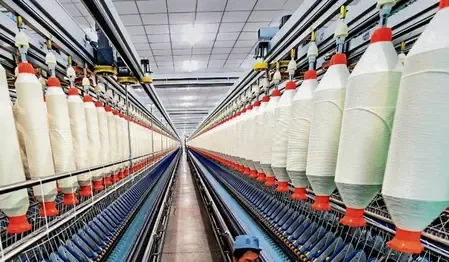
Alongside the 170 approved companies, the government has notified 225 products across three segments: Man-Made Fibre (MMF) Apparel, MMF Fabrics, and Technical Textiles. The scheme is designed to boost domestic manufacturing capacity and reduce India's dependence on textile imports in these high-value categories.
Minister Margherita noted that regular monitoring and review of the PLI scheme is conducted at the level of the Ministry of Textiles and the Department for Promotion of Industry and Internal Trade (DPIIT), which serves as the nodal department for all PLI schemes. A Project Management Agency (PMA) has been engaged for ground-level verification, and a dedicated PLI portal has been created as a centralised repository for scheme-related data and performance metrics.
National Technical Textiles Mission: GREAT Scheme and Startup Push
Under the National Technical Textiles Mission (NTTM), the government is running the Grant for Research and Entrepreneurship across Aspiring Innovators in Technical Textiles (GREAT) scheme, which targets young innovators, scientists, technologists, and startup ventures. The aim is to help them translate ideas into commercial technologies and market-ready products.
The total budget allocated to the NTTM for the current financial year 2026-27 stands at ₹256 crore, which includes provisions for releasing grants to startups under the GREAT scheme. So far, 31 startups have been approved at a total cost of ₹15.40 crore, of which ₹13.65 crore is the Government of India's share.
Handloom Weavers in Tirunelveli Benefit from Cluster Programme
Minister Margherita also informed the House that under the Small Cluster Development Programme — a component of the National Handloom Development Programme (NHDP) — an amount of ₹78.31 lakh has been released during 2023-24 and 2024-25, directly benefitting 343 handloom weavers in Tirunelveli district of Tamil Nadu.
This comes amid a broader push by the Centre to formalise and scale India's textiles sector, which employs millions and is a key export earner. The PLI scheme for textiles was originally launched to incentivise investment in MMF and technical textiles — segments where India has historically trailed global competitors such as China and Vietnam.
What Comes Next
With monitoring infrastructure now in place through the PMA and the dedicated portal, the government's focus appears to be shifting from approvals to verified output. Whether the 170 approved companies translate into sustained production gains and employment will be the true measure of the scheme's success in the quarters ahead.
Point of View
But India's track record on translating PLI headcounts into verified production and employment gains is uneven at best. The deployment of a Project Management Agency and a dedicated portal is a structural improvement over earlier rounds, yet the real accountability test will come when disbursement data is published against actual output. Meanwhile, the ₹15.40 crore committed to 31 startups under GREAT is modest relative to the ₹256 crore NTTM envelope — raising questions about absorption capacity in the technical textiles startup ecosystem.
NationPress
4 Aug 2026
Frequently Asked Questions
How many companies have been approved under the PLI scheme for textiles?
A total of 170 companies have been approved for participation under the PLI scheme for textiles, as informed by Minister of State for Textiles Pabitra Margherita in a written reply to the Lok Sabha on 4 August. The scheme also covers 225 notified products across MMF Apparel, MMF Fabrics, and Technical Textiles segments.
What is the GREAT scheme under the National Technical Textiles Mission?
GREAT stands for Grant for Research and Entrepreneurship across Aspiring Innovators in Technical Textiles, a sub-scheme under the National Technical Textiles Mission (NTTM). It supports young innovators, scientists, and startups in converting ideas into commercial technologies and products in the technical textiles space.
What is the NTTM budget for 2026-27?
The National Technical Textiles Mission (NTTM) has been allocated a total budget of ₹256 crore for the financial year 2026-27. This includes provisions for releasing grants to startups under the GREAT scheme, with 31 startups already approved at a combined cost of ₹15.40 crore.
How are handloom weavers in Tamil Nadu benefitting from government schemes?
Under the Small Cluster Development Programme, a component of the National Handloom Development Programme (NHDP), ₹78.31 lakh was released during 2023-24 and 2024-25, benefitting 343 handloom weavers in Tirunelveli district of Tamil Nadu.
How is the government monitoring the PLI scheme for textiles?
Monitoring is conducted jointly by the Ministry of Textiles and the Department for Promotion of Industry and Internal Trade (DPIIT). A Project Management Agency (PMA) has been engaged for rigorous ground-level verification, and a dedicated PLI portal serves as a centralised repository for scheme data and performance metrics.