57th GST Council meeting rescheduled to October 8: Key reforms on agenda
Synopsis
The 57th GST Council meeting — already pushed once from September due to the BRICS summit — has been deferred a second time, now set for 8 October. With both PM Modi and Finance Minister Sitharaman publicly flagging simplification of registration, refunds, and dispute resolution, the stakes for what the Council actually decides have rarely been higher.
Key Takeaways
The 57th GST Council meeting has been rescheduled to 8 October 2026 from 7 October due to unavoidable circumstances.
This is the second postponement ; the meeting was originally set for 12 September 2026 but was deferred due to the BRICS summit in New Delhi.
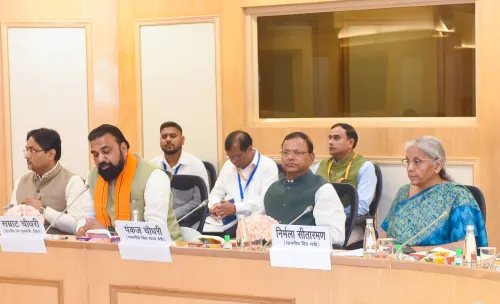
Finance Minister Nirmala Sitharaman will chair the meeting, attended by Centre and state representatives.
Key agenda items include reforms to registration , returns , refunds , dispute resolution , and input tax credit processes.
The GST Council's Law Committee has proposed distinguishing between deliberate tax evasion and unintentional non-payment, which could affect arrest provisions under Section 69 of the Central GST Act.
PM Modi and Finance Minister Sitharaman have both publicly committed to simplifying GST compliance in the next reform phase.
The 57th GST Council meeting has been rescheduled to 8 October 2026 from its earlier date of 7 October, following unavoidable circumstances cited by the GST Council Secretariat in an official office memorandum. The meeting, to be chaired by Finance Minister Nirmala Sitharaman and attended by representatives from both the Centre and states, is expected to deliberate on a sweeping set of process reforms aimed at easing GST compliance for businesses and taxpayers across India.
What the Council Is Expected to Discuss
According to reports, the Council is likely to take up proposals for changes to registration, returns, and refunds mechanisms, alongside reforms targeting GST dispute resolution and smoother input tax credit (ITC) flows. The overarching aim, as outlined by officials, is to reduce both the time and cost of compliance for businesses of all sizes, including e-commerce suppliers.
The proposals stem largely from the recommendations of the GST Council's Law Committee, which has been examining ways to simplify GST laws. Critically, the Law Committee has also sought to draw a legal distinction between deliberate tax evasion and cases where non-payment was unintentional — a nuance with significant implications for how arrests and prosecutions are handled.
The Arrest Provision Under Scrutiny
Under the prevailing Central GST Act, a Commissioner can authorise an arrest under Section 69 where there are reasons to believe that a person has committed specified offences listed under Section 132. These offences include certain forms of tax evasion and fraudulent input tax credit claims. The expected reform would introduce greater discretion into this framework, potentially protecting businesses from criminal action in cases of genuine compliance failures rather than fraud.
What Modi and Sitharaman Have Said
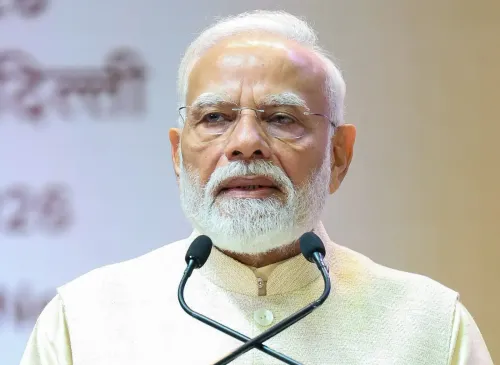
Prime Minister Narendra Modi on Monday stated that the next phase of GST reforms would make compliance easier and improve the refund process, adding that these changes would give businesses 'greater confidence to invest and expand.' Finance Minister Sitharaman has similarly indicated that the upcoming reform phase would concentrate on simplifying registration, returns, refunds, dispute resolution, and input tax credit processes.
A Meeting Twice Postponed
This is the second rescheduling of the 57th GST Council meeting. It was originally slated for 12 September but was postponed after India hosted the BRICS summit in New Delhi on 12 and 13 September. It was then moved to 7 October before the latest deferral to 8 October. The back-to-back postponements have extended anticipation around reforms that both the Prime Minister and Finance Minister have publicly flagged as priorities.
With high-level political consensus already signalled, industry bodies and tax professionals will be watching closely when the Council finally convenes on 8 October to see how substantive the proposed changes turn out to be.
Point of View
But the substantive agenda is anything but minor. Both the Prime Minister and the Finance Minister have staked public credibility on simplifying GST — a system that, nearly a decade in, still generates disproportionate compliance costs for small businesses and e-commerce operators. The Law Committee's push to distinguish intentional evasion from inadvertent default is long overdue; the current arrest provision under Section 69 has been criticised for enabling overreach. Whether the Council translates that committee recommendation into binding change — or defers it once more — will signal whether this reform cycle has political teeth or is another round of well-worded intentions.
NationPress
6 Oct 2026
Frequently Asked Questions
Why has the 57th GST Council meeting been rescheduled to October 8?
The GST Council Secretariat cited unavoidable circumstances in an official office memorandum and moved the meeting from 7 October to 8 October 2026. This is the second time the meeting has been rescheduled; it was originally set for 12 September but was first postponed due to the BRICS summit hosted in New Delhi.
What reforms is the 57th GST Council expected to discuss?
The Council is expected to consider changes to GST registration, returns, and refunds mechanisms, along with improvements to input tax credit flows and dispute resolution processes. Proposals from the GST Council's Law Committee, including a distinction between deliberate evasion and unintentional non-payment, are also on the agenda.
Who will chair the 57th GST Council meeting?
Finance Minister Nirmala Sitharaman will chair the meeting, which includes representatives from both the Centre and all state governments. She has previously stated that the next phase of GST reforms will focus on simplifying compliance across registration, returns, refunds, and dispute resolution.
What is the significance of the proposed change to arrest provisions under GST?
Under the current Central GST Act, a Commissioner can authorise an arrest under Section 69 for specified offences including tax evasion and fraudulent input tax credit claims. The Law Committee has recommended distinguishing between intentional fraud and inadvertent non-compliance, which could limit the use of criminal action against businesses that made genuine errors.
What has PM Modi said about GST reforms?
Prime Minister Narendra Modi said on Monday that the next phase of GST reforms would make compliance easier and improve the refund process, giving businesses greater confidence to invest and expand. His remarks, alongside Finance Minister Sitharaman's statements, signal strong political backing for the reform agenda before the Council's 8 October meeting.