68 Japanese firms finalising India manufacturing plans at Semicon India 2026
Synopsis
Sixty-eight Japanese firms are on the verge of committing to manufacturing and research operations in India — a concrete sign that Semicon India 2026 is translating political ambition into boardroom decisions. Add a student-designed chip from NIT Rourkela that Prime Minister Modi has already seen, and the story of India's semiconductor rise suddenly has both scale and a human face.
Key Takeaways
Minister Ashwini Vaishnaw confirmed that 68 Japanese companies at Semicon India 2026 are finalising manufacturing, research, and partnership plans in India.
More than 30 countries are participating in Semicon India 2026 , reflecting broad global interest in India's semiconductor ecosystem.
Students of NIT Rourkela , Odisha, developed a semiconductor chip under India's Semiconductor Mission talent programme — already presented to PM Narendra Modi .
Odisha CM Mohan Charan Majhi hailed the NIT Rourkela chip as a symbol of the state's innovation and research capabilities.
Vaishnaw highlighted the event's role in creating high-skilled employment and building a domestic talent pool for the semiconductor sector.
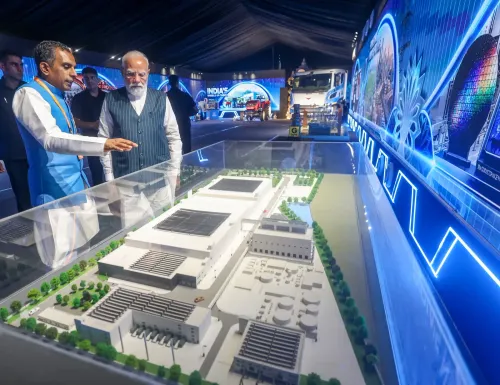
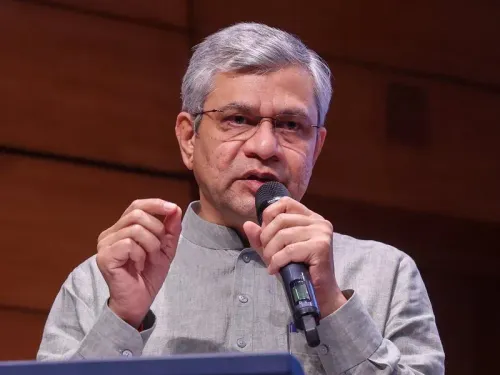
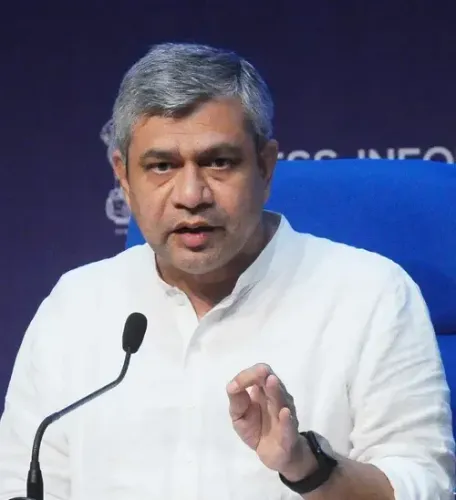
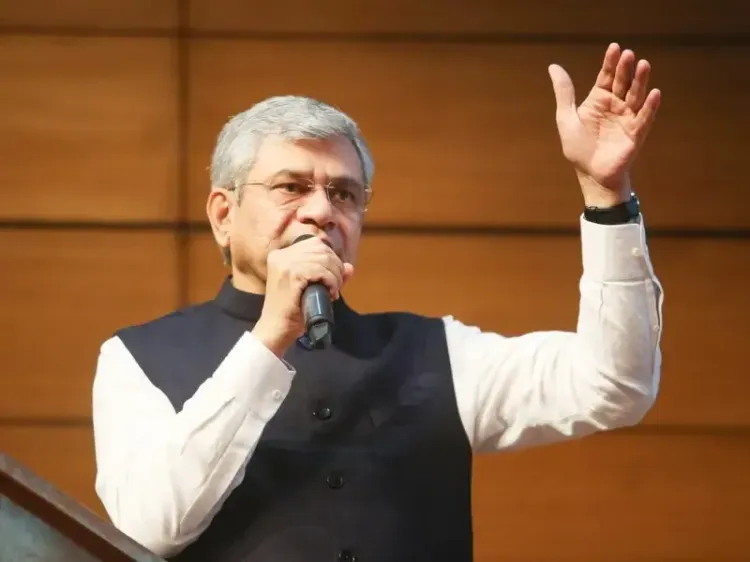
Union Electronics and Information Technology Minister Ashwini Vaishnaw on Friday, 18 September 2026, revealed that 68 Japanese companies attending Semicon India 2026 in Mumbai are actively finalising their manufacturing, research, and partnership plans in India. The disclosure underscores accelerating foreign confidence in India's semiconductor ecosystem at one of the sector's most significant global gatherings.
Scale of International Participation
Vaishnaw, speaking during a visit to the Japanese pavilion at the event, noted that more than 30 countries are participating in Semicon India 2026 — a sign, he said, of growing global interest in India as a semiconductor destination. 'Here at the Japanese pavilion, there are 68 Japanese companies. They are finalising their plans for manufacturing, research and partnerships in India,' the Minister said. Japan's presence is particularly significant given its depth in advanced chip packaging, materials, and equipment — areas where India's own ecosystem remains nascent.
Student-Designed Chip Steals the Show
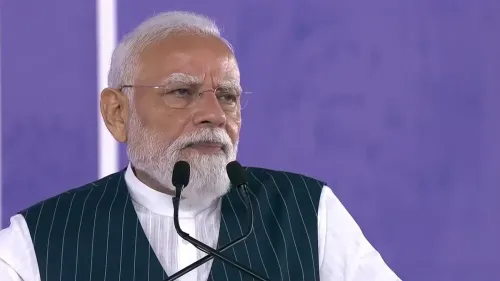
Among the highlights of the Minister's visit was a semiconductor chip developed entirely by students of the National Institute of Technology (NIT) Rourkela in Odisha. Vaishnaw said the chip was designed under the talent development programme of India's Semiconductor Mission and that the student team had already presented their work directly before Prime Minister Narendra Modi. The chip was displayed to the media during Vaishnaw's interaction at the event, drawing wide attention as a tangible symbol of homegrown capability.
Odisha's Pride in Indigenous Innovation
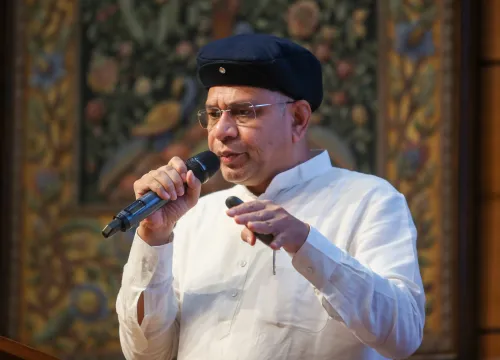
Odisha Chief Minister Mohan Charan Majhi expressed pride at seeing indigenous chip designs from NIT Rourkela exhibited alongside Made-in-India semiconductor chips. Majhi said the achievement demonstrated the 'talent, innovation and research capabilities' of institutions in his state and congratulated the scientists, researchers, and the entire NIT Rourkela team. He credited Prime Minister Modi's leadership and Vaishnaw's efforts for India's progress toward a self-reliant semiconductor ecosystem.
High-Skill Jobs and Talent Development
Vaishnaw also highlighted the enthusiasm among young professionals at the event, saying that India's semiconductor push is creating a significant pipeline of high-skilled employment. The Semiconductor Mission's talent development programme — of which the NIT Rourkela chip is an early output — is designed to build indigenous design and fabrication expertise, reducing India's long-standing dependence on imported chips. Notably, this comes as global chip supply chains continue to restructure post-pandemic, with multiple governments competing to attract semiconductor investment.
What Comes Next
With 68 Japanese firms in the finalisation stage for India-based operations, concrete partnership and investment announcements could follow in the weeks ahead. Industry observers note that Japan's involvement could accelerate India's access to specialised chip-manufacturing equipment and materials, complementing the investments already announced under the Semiconductor Mission. The broader trajectory suggests India is moving from being a semiconductor consumer to positioning itself as a credible node in the global chip supply chain.
Point of View
And India's semiconductor story has a history of announcements that stretch timelines. The real test will be how many of these Japanese companies convert interest into capital expenditure within the next 12 months. The NIT Rourkela chip, meanwhile, is strategically smart optics — it grounds an otherwise abstract policy mission in a tangible, student-led achievement. But design capability and fabrication capacity are different mountains; India has made progress on the former while the latter remains largely unbuilt.
NationPress
18 Sept 2026
Frequently Asked Questions
What did Minister Ashwini Vaishnaw announce at Semicon India 2026?
Minister Vaishnaw confirmed that 68 Japanese companies participating in Semicon India 2026 are in the process of finalising their manufacturing, research, and partnership plans in India. He made the statement during a visit to the Japanese pavilion at the event in Mumbai on 18 September 2026.
What is Semicon India 2026 and why does it matter?
Semicon India 2026 is a major semiconductor industry event drawing participation from more than 30 countries, serving as a platform for global firms to engage with India's growing chip ecosystem. It is a key venue where foreign investment intentions in India's semiconductor sector are publicly signalled.
What is significant about the NIT Rourkela semiconductor chip?
The chip was designed by students of the National Institute of Technology Rourkela in Odisha under the talent development programme of India's Semiconductor Mission, making it one of the first indigenously designed chips developed by Indian academic institutions under the mission. The student team presented their work directly to Prime Minister Narendra Modi.
Why is Japan's participation in Semicon India 2026 significant?
Japan is a global leader in semiconductor equipment, materials, and advanced packaging — areas critical to building a full chip supply chain. The engagement of 68 Japanese companies suggests potential technology and manufacturing partnerships that could accelerate India's semiconductor capabilities beyond chip design.
Who is Odisha Chief Minister Mohan Charan Majhi and what did he say?
Mohan Charan Majhi is the Chief Minister of Odisha, the state where NIT Rourkela is located. He expressed pride at the student-developed chip being showcased at Semicon India and credited Prime Minister Modi's leadership and Minister Vaishnaw's efforts for India's semiconductor progress.