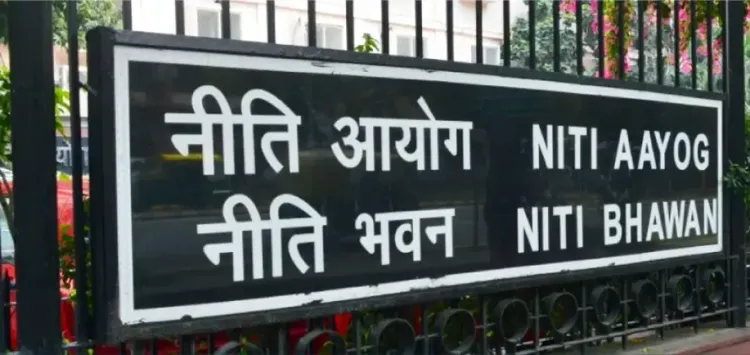
75% of India's blood collection from voluntary donors: NITI Aayog
Synopsis
Three out of every four units of blood collected in India come from voluntary donors — yet shortages persist. On National Voluntary Blood Donation Day 2026, NITI Aayog's health member called for a grassroots push to close the gap, with a pointed focus on anaemia among women and girls as a root cause.
Key Takeaways
Nearly 75 per cent of India's blood collection comes from voluntary donations, according to NITI Aayog Member (Health) Dr M.
Dr Srinivas spoke at National Voluntary Blood Donation Day (NVBDD) 2026 at Lady Hardinge Medical College , New Delhi, on 1 October 2026 .
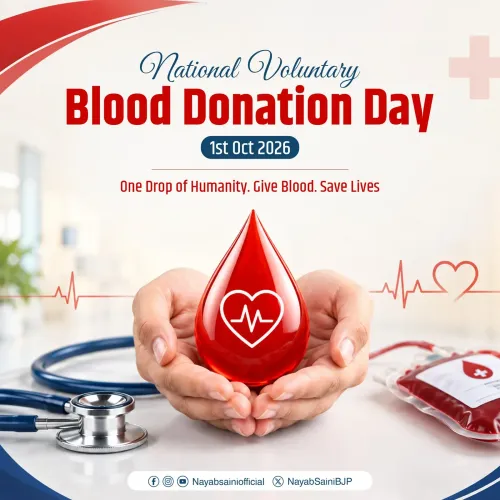
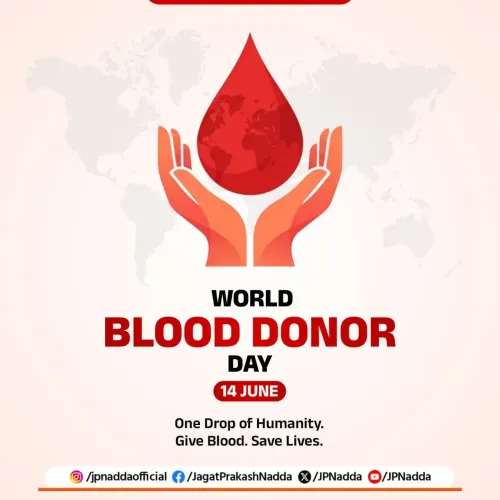
This year's theme was 'One Drop of Humanity.
Save Lives.' He called for collaboration among governments, NGOs, healthcare professionals and youth organisations to address blood shortages.
Awareness campaigns should also target nutrition and anaemia , especially among women and adolescent girls , he emphasised.
The event was organised by the Blood Transfusion Services Division under the Union Health Ministry in collaboration with Lady Hardinge Medical College.
NITI Aayog Member (Health) Dr M. Srinivas on Thursday, 1 October 2026 revealed that nearly 75 per cent of blood collection in India is sourced through voluntary donations, while calling for significantly greater public participation to strengthen the country's blood donation ecosystem and close the persistent gap between demand and supply.
Key Remarks at National Voluntary Blood Donation Day
Dr Srinivas was speaking at the National Voluntary Blood Donation Day (NVBDD) 2026 programme held at the Swarn Jayanti Auditorium of Lady Hardinge Medical College, New Delhi. The event was organised by the Blood Transfusion Services Division of the Directorate General of Health Services under the Union Health Ministry, in collaboration with Lady Hardinge Medical College and its associated hospitals.
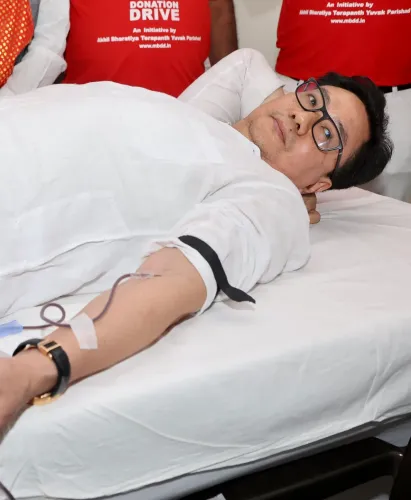
This year's official theme was 'One Drop of Humanity. Give Blood. Save Lives.' The programme included the inauguration of a voluntary blood donation camp, administration of a public pledge, addresses by dignitaries, and felicitation of states, organisations and stakeholders for their contributions.
The Demand-Supply Gap
While the 75 per cent voluntary donation share marks notable progress, Dr Srinivas underscored that sustained efforts remain essential to address existing shortages. He called on governments, healthcare professionals, non-governmental organisations, voluntary groups and youth organisations to collaborate in expanding voluntary blood donation drives across the country. Notably, the remaining gap is filled through replacement and paid donations, which health experts have long flagged as carrying higher safety risks.
Dr Srinivas emphasised the importance of rational and optimal utilisation of blood and blood components, urging healthcare institutions to avoid wastage alongside driving collection. He also highlighted the need to take awareness campaigns to the grassroots level, ensuring that communities in smaller towns and rural areas are reached.
Nutrition and Anaemia on the Agenda
In a broader public health framing, Dr Srinivas stressed that awareness initiatives should extend beyond the act of donation itself. He specifically called for renewed focus on nutrition and anaemia, particularly among women and adolescent girls — two demographic groups disproportionately affected by blood-related health deficiencies in India. Addressing anaemia, he argued, is integral to building a larger and healthier pool of eligible donors over time.
Recognising Volunteers and Organisations
Administering the voluntary blood donation pledge at the event, Dr Srinivas encouraged citizens to donate blood regularly and to motivate others in their communities to participate. He acknowledged the contributions of blood donation organisations and volunteers, noting that their work has been vital in supporting healthcare services and saving lives at scale across India.
With NVBDD 2026 serving as an annual inflection point for national awareness, health officials are expected to intensify outreach ahead of high-demand periods such as the winter months, when donation rates traditionally dip.
Point of View
Yet the NVBDD remains a once-a-year headline event rather than a year-round policy instrument. The linking of blood donation to anaemia and nutrition is analytically correct but operationally underdeveloped — India's adolescent anaemia rates remain among the highest in the world, and a depleted donor pool is partly a consequence of that. Until the Health Ministry ties blood service targets to verifiable regional data and closes the grassroots awareness gap, the 75 per cent figure risks plateauing.
NationPress
1 Oct 2026
Frequently Asked Questions
What percentage of India's blood collection comes from voluntary donations?
According to NITI Aayog Member (Health) Dr M. Srinivas, nearly 75 per cent of blood collection in India is sourced through voluntary donations. He made the remark on National Voluntary Blood Donation Day 2026 and called for wider public participation to push this figure higher.
What is National Voluntary Blood Donation Day and when is it observed?
National Voluntary Blood Donation Day (NVBDD) is observed on 1 October each year to raise awareness about the importance of voluntary blood donation in India. The 2026 edition was held at the Swarn Jayanti Auditorium of Lady Hardinge Medical College in New Delhi, organised by the Blood Transfusion Services Division under the Union Health Ministry.
Why is voluntary blood donation important for India's healthcare system?
Voluntary blood donation ensures a safer, more reliable and sustainable supply of blood and blood components compared to replacement or paid donations, which carry higher safety risks. With rising surgical volumes and an ageing population, a strong voluntary donor base is critical to meeting growing demand.
What was the theme of NVBDD 2026?
The theme for National Voluntary Blood Donation Day 2026 was 'One Drop of Humanity. Give Blood. Save Lives.' The event included a blood donation camp inauguration, a public pledge, and recognition of states and organisations for their contributions.
What other health issues did Dr Srinivas highlight at NVBDD 2026?
Beyond blood donation, Dr Srinivas stressed the need to address nutrition and anaemia, particularly among women and adolescent girls in India. He argued that tackling anaemia at the community level is essential to building a larger and healthier pool of eligible blood donors over time.