CM Tamang Urges Sikkim to Donate Blood on World Blood Donor Day
Synopsis
Sikkim Chief Minister Prem Singh Tamang marked World Blood Donor Day on 14 June 2026 by urging citizens to donate blood, citing the WHO theme 'One Drop of Humanity. Give Blood. Save Lives.' and calling voluntary donation a noble cause that can save lives.
Key Takeaways
Sikkim Chief Minister Prem Singh Tamang issued a public appeal on World Blood Donor Day, 14 June 2026 , urging voluntary blood donation.
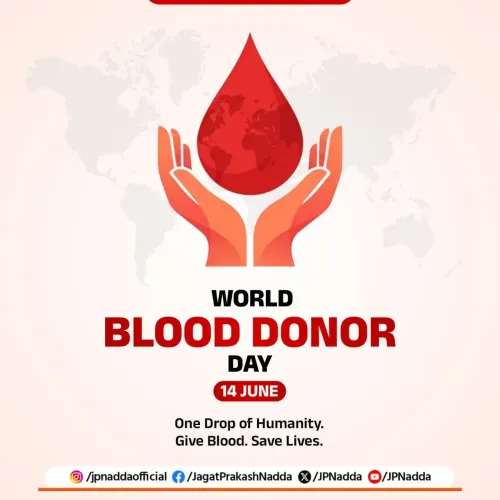
This year's theme cited by the CM is 'One Drop of Humanity.
Save Lives.' World Blood Donor Day has been observed annually on 14 June since it was established by the WHO in 2004 .
Sikkim , with a population of roughly 6.9 lakh , manages blood banks through its state health department and Red Cross units.
India's National Blood Policy aims to shift from replacement donation to a fully voluntary, unpaid system — a goal these state-level appeals directly support.
Blood donation camps by state health agencies are typically organised around this date to convert public awareness into actual donations.
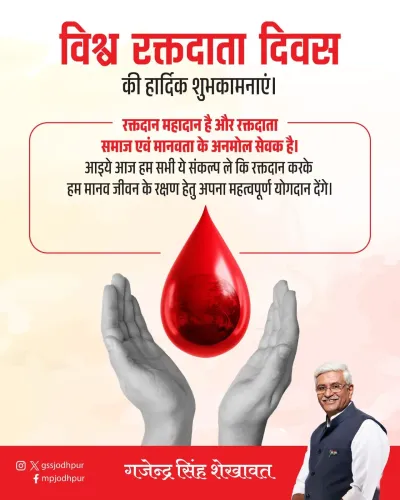
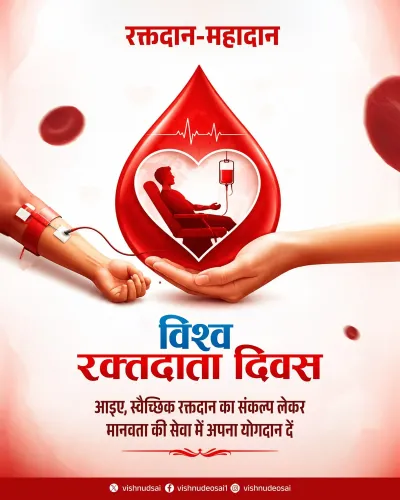
Sikkim Chief Minister Prem Singh Tamang on Sunday, 14 June 2026, extended his gratitude to voluntary blood donors worldwide and called on citizens to participate in what he described as a 'noble cause' that can give someone 'a reason to live.' The appeal was made on the occasion of World Blood Donor Day, observed annually on 14 June.
Context
World Blood Donor Day is a global observance established by the World Health Organization (WHO) in 2004 to thank voluntary, unpaid blood donors and to raise awareness about the need for safe blood supplies. This year's theme, as cited by CM Tamang in his post, is 'One Drop of Humanity. Give Blood. Save Lives.' — a phrase underscoring that a single donation can be life-changing. The Chief Minister noted that 'a small act of giving can make a life-changing difference.'
Policy Backdrop
India's blood transfusion services operate under the National Blood Policy, which aims to shift the country from replacement donation — where family members donate only when a patient needs blood — to a fully voluntary, unpaid system. Smaller northeastern states, including Sikkim, with a population of roughly 6.9 lakh, manage blood banks through their state health departments in coordination with Red Cross units and national programmes. Chief ministers across Indian states routinely issue public appeals on this day to support these efforts and encourage citizens to register as voluntary donors.
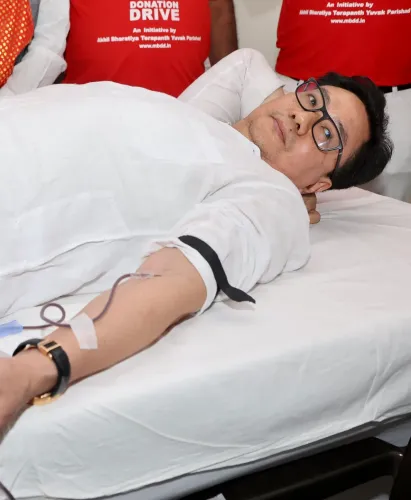
Such messaging from state leadership typically coincides with blood donation camps organised by state health agencies and civil society organisations. These camps serve as practical extensions of the awareness drive, translating public sentiment into actual units of blood collected for hospitals and patients in need.
Stakeholders and Impact
The primary beneficiaries of increased voluntary donation are patients requiring blood transfusions — including those undergoing surgery, cancer treatment, or managing conditions such as thalassaemia and sickle cell anaemia. Voluntary donors themselves form the backbone of a safe blood supply, as unpaid donations are statistically associated with lower rates of transfusion-transmissible infections. In a geographically remote state like Sikkim, where terrain can complicate logistics, a robust local donor pool is particularly critical for emergency healthcare delivery.
The appeal by CM Tamang, who is also the founder-president of the Sikkim Krantikari Morcha, carries institutional weight and is likely to amplify outreach by the state health department and local Red Cross chapters during donation camps scheduled around this date.
What's Next
State health departments in Sikkim are expected to organise or support blood donation camps in and around Gangtok and other districts in the days surrounding 14 June. The broader policy question for the state remains whether Sikkim's blood bank infrastructure — in terms of storage capacity, testing equipment, and trained staff — keeps pace with growing healthcare demands. Any announcements on health budget allocations or blood bank modernisation from the state government would be the next concrete development to watch.
Point of View
But the gesture carries added policy resonance in a small, remote state like Sikkim where healthcare logistics are constrained by terrain. CM Tamang's post aligns Sikkim with the WHO's broader push to normalise voluntary, unpaid donation — a shift India's National Blood Policy has been pursuing for years with uneven success. For a ruling party like the Sikkim Krantikari Morcha, which governs a state heavily dependent on central health transfers, such public health messaging also signals governance visibility. The real test will be whether the appeal translates into measurable increases in voluntary donor registrations and whether the state follows through with infrastructure investment in its blood banks.
NationPress
19 Sept 2026
Frequently Asked Questions
When is World Blood Donor Day observed?
World Blood Donor Day is observed every year on 14 June . It was established by the World Health Organization (WHO) in 2004 to thank voluntary blood donors and promote safe blood supplies globally.
What is the theme for World Blood Donor Day 2026?
According to Sikkim CM Prem Singh Tamang's post, the theme for World Blood Donor Day 2026 is 'One Drop of Humanity. Give Blood. Save Lives.'
Who is Prem Singh Tamang?
Prem Singh Tamang , also known as Golay, is the Chief Minister of Sikkim and the founder-president of the Sikkim Krantikari Morcha (SKM) , the ruling party in the northeastern state.
Why is voluntary blood donation important in India?
India's National Blood Policy promotes voluntary, unpaid donation because it is safer than replacement donation — family or paid donors can conceal health risks. A strong voluntary donor base reduces shortages and lowers the risk of transfusion-transmitted infections.
How can I donate blood in Sikkim?
Residents of Sikkim can donate blood at state government hospitals, blood banks managed by the state health department, or at camps organised by local Red Cross chapters, particularly around 14 June each year.