AB-PMJAY: 12.69 crore cashless admissions worth ₹1.92 lakh crore authorised, says govt
Synopsis
India's flagship health insurance scheme AB-PMJAY has crossed ₹1.92 lakh crore in authorised cashless admissions — and out-of-pocket health spending has fallen nearly 19 percentage points since 2014-15. With senior citizens above 70 now covered regardless of income, the scheme's universalisation push is the real story behind the numbers.
Key Takeaways
AB-PMJAY has authorised 12.69 crore cashless hospital admissions worth ₹1.92 lakh crore as of 30 June .
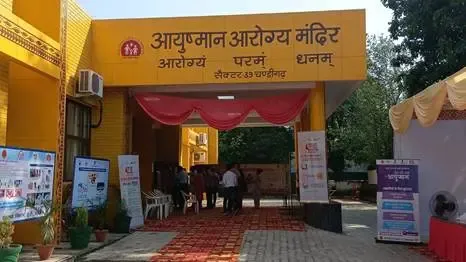
The scheme operates through 37,413 empanelled public and private hospitals, covering 12 crore families — the bottom 40% of the population.
Out-of-pocket health expenditure fell from 62.6% in 2014-15 to 43.4% in 2022-23 , according to National Health Accounts data.
Coverage was expanded in October 2024 to include 6 crore senior citizens aged 70 and above across 4.5 crore families , irrespective of income.
ICMR budget allocation rises to ₹4,000 crore in 2026-27 , up approximately 21% over revised 2025-26 estimates.
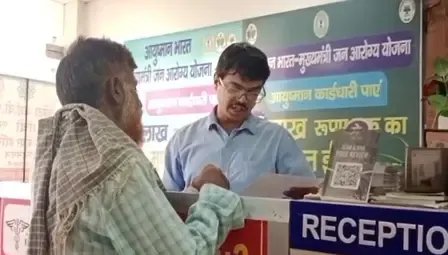
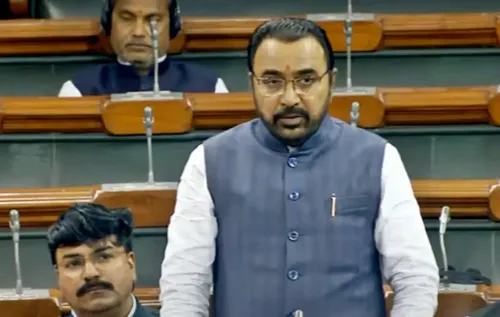
The Ayushman Bharat-Pradhan Mantri Jan Arogya Yojana (AB-PMJAY) has authorised 12.69 crore cashless hospital admissions valued at ₹1.92 lakh crore as of 30 June, the government informed the Rajya Sabha on Tuesday, 4 August. The admissions have been facilitated through a network of 37,413 empanelled public and private hospitals, with the scheme credited for a significant reduction in out-of-pocket healthcare spending by Indian households.
Scheme Coverage and Beneficiaries
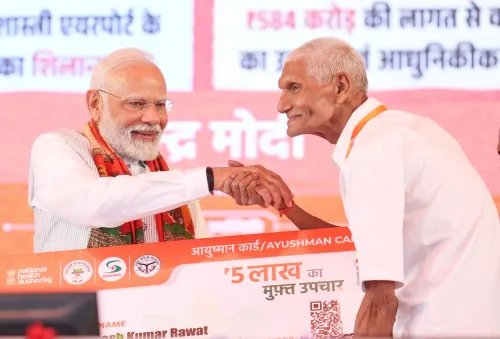
Union Minister of State for Health and Family Welfare Prataprao Jadhav, in a written reply to the upper house, stated that AB-PMJAY provides health coverage of ₹5 lakh per family per year for secondary and tertiary care hospitalisation. The scheme covers 12 crore economically vulnerable families, constituting the bottom 40 per cent of India's population.
The scheme has been progressively expanded. In March 2024, approximately 37 lakh families of Accredited Social Health Activists (ASHAs), Anganwadi Workers, and Anganwadi Helpers were brought under its ambit. In October 2024, coverage was further extended to 6 crore senior citizens aged 70 years and above, belonging to 4.5 crore families, irrespective of their socio-economic status.
Impact on Out-of-Pocket Expenditure
According to the National Health Accounts Estimates 2022-23, out-of-pocket expenditure as a proportion of total health expenditure declined from 62.6 per cent in 2014-15 to 43.4 per cent in 2022-23. Minister Jadhav attributed this substantial reduction to increased public investment in health and the expansion of publicly financed insurance schemes such as AB-PMJAY.
This marks a nearly 19-percentage-point decline over eight years — a shift that health economists have long regarded as a key indicator of a maturing public health financing system. Notably, India's out-of-pocket burden had historically been among the highest in Asia, making this trajectory significant.
ICMR Budget Gets a Major Boost
Separately, the government disclosed a sharp increase in health research funding. The budgetary allocation for the Indian Council of Medical Research (ICMR) has risen from ₹2,732.13 crore in Budget Estimates 2024-25 to ₹3,125.50 crore in 2025-26, and further to ₹4,000 crore in 2026-27. The 2026-27 allocation represents an increase of approximately 21 per cent over the Revised Estimates of ₹3,150 crore for 2025-26.
The government stated that these increases are aimed at making research grants more competitive and accessible, signalling a broader push to strengthen India's domestic medical research capacity.
What This Means Going Forward
With AB-PMJAY's beneficiary base now spanning ASHAs, Anganwadi workers, and all senior citizens above 70 regardless of income, the scheme's universalisation is accelerating. The next milestone will be how effectively the expanded hospital network absorbs demand — particularly in Tier-2 and Tier-3 cities where empanelled private hospital density remains uneven.
Point of View
But the more structurally significant data point is the out-of-pocket expenditure decline — from 62.6% to 43.4% in eight years. That shift suggests AB-PMJAY is doing more than processing admissions; it is beginning to alter how Indian households finance illness. The harder question is quality and equity: whether the 37,413-hospital network is actually accessible in districts with low private hospital density, and whether cashless authorisation translates into genuinely cashless experience at the ward level. The ICMR budget jump to ₹4,000 crore is also underreported — a 21% increase signals a policy intent to build domestic research capacity, though the gap between allocation and utilisation in health research has historically been wide.
NationPress
18 Sept 2026
Frequently Asked Questions
What is AB-PMJAY and how many people does it cover?
AB-PMJAY (Ayushman Bharat-Pradhan Mantri Jan Arogya Yojana) is India's flagship public health insurance scheme, providing ₹5 lakh per family per year for secondary and tertiary hospitalisation. It covers 12 crore economically vulnerable families — the bottom 40% of the population — and has since been expanded to include ASHA workers, Anganwadi staff, and all senior citizens aged 70 and above.
How many cashless admissions has AB-PMJAY facilitated so far?
As of 30 June, AB-PMJAY has authorised 12.69 crore cashless hospital admissions worth ₹1.92 lakh crore, through a network of 37,413 empanelled public and private hospitals across India.
Has AB-PMJAY reduced out-of-pocket health spending in India?
Yes. According to National Health Accounts Estimates 2022-23, out-of-pocket expenditure as a share of total health spending fell from 62.6% in 2014-15 to 43.4% in 2022-23 — a decline of nearly 19 percentage points attributed to increased public health investment and schemes like AB-PMJAY.
When were senior citizens included under AB-PMJAY?
In October 2024, the scheme was expanded to cover 6 crore senior citizens aged 70 years and above, belonging to 4.5 crore families, irrespective of their socio-economic status.
How much has the ICMR budget been increased?
The ICMR budget has been raised from ₹2,732.13 crore in 2024-25 to ₹3,125.50 crore in 2025-26, and further to ₹4,000 crore in 2026-27 — an increase of approximately 21% over the revised 2025-26 estimate of ₹3,150 crore.