Sridhar Vembu: AI risk real, but more firms can now afford software engineers
Synopsis
Zoho's Sridhar Vembu is sounding a dual alarm: AI is real enough that one worker can do the job of 10, and real enough to force Zoho itself to slash its marketing budget and freeze pay hikes — yet the same cost collapse could open tech hiring to businesses that were previously priced out entirely. It is the most candid public accounting yet of how AI is reshaping costs and labour from inside a major Indian software firm.
Key Takeaways
Sridhar Vembu , Co-founder of Zoho , warned on 29 October 2026 that AI enables one person to do the work of 10 in computer-based jobs.
He said the shift will cause 'painful rebalancing' but also make software engineers and digital marketers affordable to businesses that previously could not hire them.
Zoho has cut its marketing budget and told employees not to expect usual pay increases this year.
Server prices for data centres have risen four-fold , according to Vembu, as AI usage surges.
In May 2026 , Vembu had warned that AI-driven tech valuations could produce a bubble worse than the dot-com era.
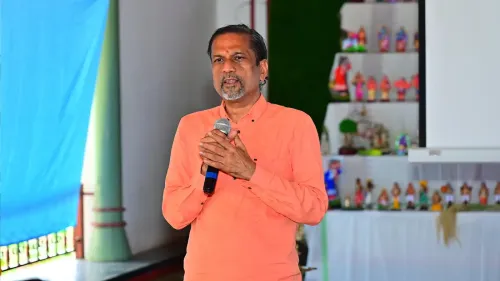
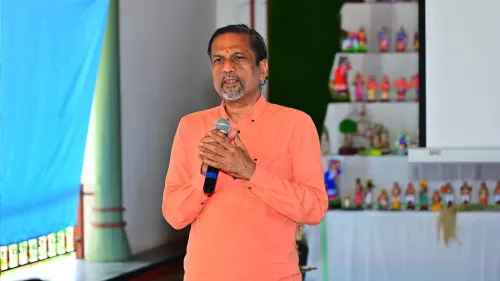
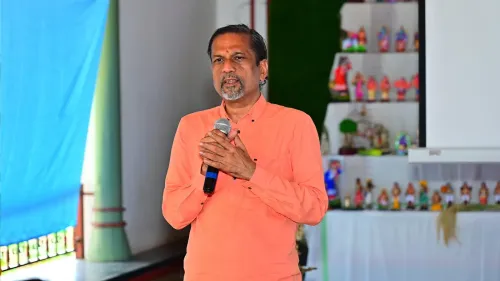
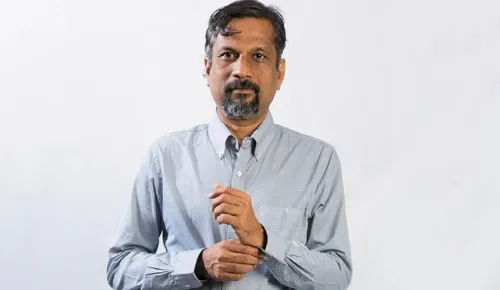
Zoho Co-founder and Chief Scientist Sridhar Vembu on Thursday, 29 October 2026, said that artificial intelligence is lowering the cost of software engineering and digital marketing services sharply enough that businesses which previously could not afford such talent will now be able to hire it. Vembu, however, cautioned that the same shift carries a real risk of painful economic rebalancing across the workforce.
What Vembu Said on AI and Jobs
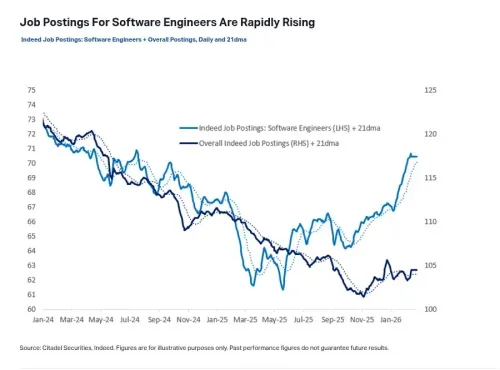
In a post on X, Vembu wrote that 'any job performed on the computer' now faces the risk that one person using AI could do the work of 10 people, describing the threat as 'increasingly real'. He stressed, however, that this does not automatically translate into mass unemployment. 'Industries that previously could not afford to hire software engineers or digital marketers could afford them now,' his post noted, pointing to a demand-side offset that could absorb some of the displaced capacity.
Vembu described the net effect as a 'painful rebalancing' across the economy, arguing that the only productive response is to 'accept that it is coming and be prepared for it.'
Zoho's Own AI Cost Pressures
Vembu's remarks come against a backdrop of rising operational costs at Zoho itself. Earlier this month, he disclosed that the company has cut its marketing budget and advised employees not to expect the usual pay increases this year. In a separate X post, he wrote that the business outlook for software is uncertain and that AI has raised costs dramatically — pointing specifically to a four-fold increase in server prices needed for data centres, driven by surging AI usage.
This is consistent with a broader industry pattern: while AI promises productivity gains, the infrastructure bill — compute, energy, and specialised hardware — has climbed steeply for companies running large-scale AI workloads.
Bubble Warning Issued Earlier This Year
Vembu has been among the more outspoken voices on the risks accompanying the AI boom. In May, he cautioned that soaring valuations of the world's largest technology companies, fuelled by investor enthusiasm around artificial intelligence, exhibited characteristics of a market bubble that could eclipse the dot-com era. That warning now sits alongside his latest remarks as part of a consistent thesis: AI's productivity upside is real, but so are its structural disruptions and financial excesses.
Broader Implications for India's Tech Workforce
India's software services sector employs millions of workers in roles that fit squarely within Vembu's 'computer-based job' risk category. If a single AI-assisted worker can replace teams of 10, the impact on entry-level hiring pipelines, BPO and IT services firms, and mid-tier software companies could be significant. At the same time, Vembu's argument that falling costs will unlock new employer categories — small businesses, regional enterprises, sectors historically priced out of tech talent — offers a counterweight that mainstream coverage often overlooks.
How quickly and evenly the rebalancing plays out will depend on regulatory responses, retraining ecosystems, and whether new demand genuinely materialises at the scale needed to absorb displaced workers.
Point of View
It is also a cost-democratisation story. The two effects will not cancel out neatly, and the distribution of pain versus gain will be deeply unequal — experienced workers in high-cost markets absorb the disruption while under-served markets gain access. What is notable here is that Zoho, a company that built its identity on affordable software for small businesses, is itself now caught in the cost spiral it warned others about, with a four-fold server price jump forcing internal belt-tightening. Vembu's credibility on this issue comes precisely from that position: he is not a venture capitalist theorising about disruption, he is a founder managing it in real time.
NationPress
29 Oct 2026
Frequently Asked Questions
What did Sridhar Vembu say about AI and jobs?
Vembu said that AI now enables a single worker to do the work previously done by teams of 10, making the risk to computer-based jobs 'increasingly real'. He also argued that falling costs would allow industries previously unable to afford software engineers or digital marketers to hire them, calling the overall impact a 'painful rebalancing'.
Why has Zoho cut its marketing budget?
Zoho cut its marketing budget because the business outlook for software has become uncertain and AI has raised operational costs dramatically. Vembu cited a four-fold increase in server prices for data centres driven by surging AI usage as a key cost pressure.
Will AI lead to mass unemployment in tech?
Vembu does not predict mass unemployment. He argues that while AI reduces the number of people needed for any given task, it simultaneously lowers the cost of tech services enough that new categories of employers — businesses that could not previously afford software engineers — will begin hiring, partially offsetting job losses.
What did Vembu warn about AI valuations earlier in 2026?
In May 2026, Vembu cautioned that soaring valuations of major technology companies, driven by investor enthusiasm over AI, showed signs of a market bubble that could eclipse the dot-com era. His latest remarks on workforce disruption are consistent with that earlier cautionary stance.
How does Vembu's warning affect India's IT workforce?
India's IT and BPO sectors employ millions in computer-based roles that Vembu identifies as high-risk. If AI-assisted productivity allows one worker to replace teams of 10, entry-level hiring and mid-tier software services could face structural pressure — though Vembu's demand-side argument suggests new employer categories could absorb some of that displaced talent over time.