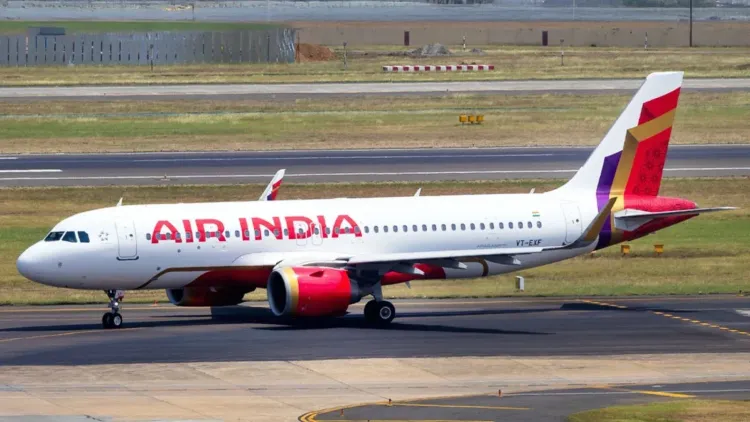
Air India pilots drug test: Airline expands screening beyond DGCA norms
Synopsis
Air India has gone further than any Indian carrier before — voluntarily drug-testing its entire pilot roster after a Phuket-Delhi pilot allegedly failed two urine tests and tested positive for marijuana. With two more pilots now failing preliminary screens and over 300 tested, the sweep is as much a reputational exercise for the Tata-owned airline as it is a safety one.
Key Takeaways
Air India launched a voluntary pilot drug-testing programme on 18 August , going beyond existing DGCA regulatory requirements.
The drive was triggered after the pilot-in-command of a Phuket-New Delhi flight allegedly failed two urine tests ; marijuana was reportedly detected.
Two additional pilots have since failed preliminary drug tests and have been de-rostered pending final results.
More than 300 Air India pilots have undergone screening so far; final results take 24–48 hours .
Air India urged stakeholders to await verified facts before drawing conclusions about the ongoing process.
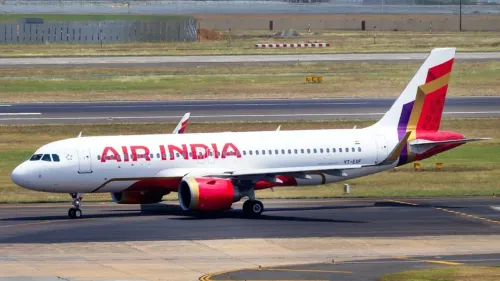
Air India on Tuesday, 18 August confirmed it has voluntarily launched a comprehensive pilot testing programme that goes beyond existing regulatory requirements set by aviation authorities, reaffirming what the Tata-owned carrier described as its 'unwavering commitment to safety and professionalism.' The move comes amid reports that at least two more pilots have failed preliminary drug tests as part of an expanded screening drive triggered by an in-flight incident.
What Air India Said
In an official statement, the airline said the testing process is currently underway and called on media and stakeholders to hold back from speculation. Air India stated: 'As the process is ongoing, we urge media and other stakeholders to refrain from speculation or reporting based on unverified or unsubstantiated information.' The carrier added that 'any assessment should await the completion of the process and verified facts.'
What Triggered the Expanded Screening
The expanded programme was ordered after the pilot-in-command of a Phuket-New Delhi flight allegedly failed two urine tests following the aircraft's landing. Marijuana was reportedly detected in his system. In response, Air India introduced a new standard operating procedure (SOP) mandating drug testing for all its pilots — a scope that goes well beyond what the Directorate General of Civil Aviation (DGCA) currently requires.
Two More Pilots Fail Preliminary Tests
According to reports citing sources, two additional Air India pilots have failed preliminary drug screenings conducted under the expanded programme. Both pilots have been de-rostered pending confirmation of final results. Final drug test results typically take between 24 and 48 hours to process, meaning the full picture is still emerging. More than 300 pilots have reportedly undergone the testing process so far.
Broader Implications for Aviation Safety
The episode marks one of the most significant internal safety audits by an Indian carrier in recent memory. Notably, Air India is acting proactively rather than waiting for regulatory compulsion — a posture that industry observers say reflects the reputational pressure the airline faces as it undergoes a major post-acquisition overhaul under the Tata Group. This is not the first time Indian aviation has confronted crew substance concerns, but the scale of the voluntary sweep — covering the entire pilot roster — is unprecedented for a domestic carrier. How the results unfold will likely shape DGCA policy on mandatory screening norms going forward.
Point of View
But to ask why its own mandatory screening framework did not catch this first. If a voluntary internal audit surfaces what routine regulatory checks missed, that is a systemic gap, not just an airline story.
NationPress
18 Aug 2026
Frequently Asked Questions
Why is Air India testing all its pilots for drugs?
Air India launched the voluntary screening programme after the pilot-in-command of a Phuket-New Delhi flight allegedly failed two urine tests post-landing, with marijuana reportedly detected in his system. The airline introduced a new SOP requiring drug tests for all pilots, going beyond what the DGCA currently mandates.
How many Air India pilots have been tested so far?
More than 300 Air India pilots have reportedly undergone the drug testing process as of the latest reports. The programme is still ongoing, and the airline has asked stakeholders to await verified final results.
Have any Air India pilots failed the drug tests?
Two additional pilots have reportedly failed preliminary drug screenings and have been de-rostered pending confirmation of final results. Preliminary results are not conclusive; final test outcomes typically take between 24 and 48 hours to process.
What does 'beyond regulatory requirements' mean in this context?
The DGCA mandates drug testing for pilots under specific circumstances, such as post-accident or on-suspicion checks. Air India's current programme covers its entire pilot roster voluntarily — a scope that exceeds what existing civil aviation regulations require.
What happens next in the Air India pilot drug testing process?
The testing programme is ongoing. Air India has said any assessment should await the completion of the process and verified facts. The results could also prompt the DGCA to review whether its own mandatory screening norms need to be strengthened across Indian carriers.