Gwalior to host Asia's first Telecom Manufacturing Zone; ₹5,500 crore invested
Synopsis
Gwalior is about to make history — Asia's first dedicated Telecom Manufacturing Zone breaks ground on 29 October, with ₹5,500 crore already committed and 18,000 jobs on the line. Designed as a plug-and-play SEZ-style cluster covering 5G, 6G, semiconductors and optical fibre, this is India's most concrete bet yet on ending its dependence on imported telecom hardware.
Key Takeaways
Gwalior will host Asia's first Telecom Manufacturing Zone (TMZ) , with groundbreaking set for 29 October 2026 .
Investment proposals worth over ₹5,500 crore have already been received; the zone is expected to create more than 18,000 jobs .
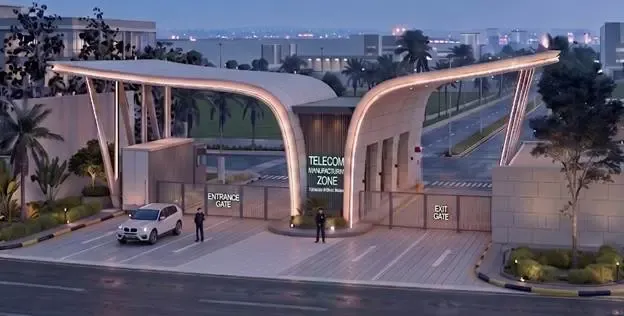
The TMZ will be established at Shrimant Madhavrao Scindia Counter Magnet City (SADA) in Gwalior, housing over 24 manufacturing units .
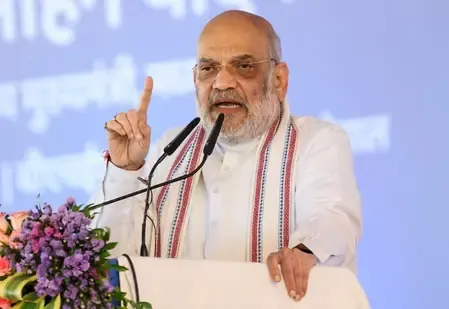
Union Home Minister Amit Shah is expected to attend the groundbreaking, alongside Minister Jyotiraditya Scindia .
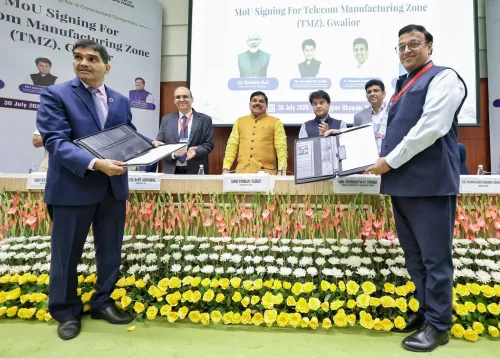
An MoU between the Department of Telecommunications and the Madhya Pradesh government was signed in July 2026 , triggering investor roadshows in Delhi, Mumbai, and Bengaluru.
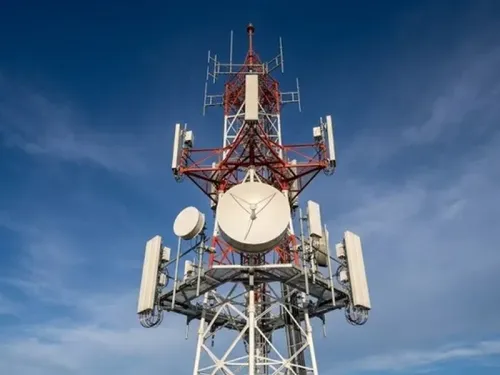
The zone will develop capabilities in optical fibre , semiconductors , 5G , and 6G technologies under a plug-and-play model.
Gwalior is set to become home to Asia's first Telecom Manufacturing Zone (TMZ), with the groundbreaking ceremony scheduled for 29 October 2026. Backed by the Centre and spearheaded by Union Communications Minister Jyotiraditya Scindia, the project has already attracted investment proposals exceeding ₹5,500 crore and is expected to generate over 18,000 jobs.
Key Developments
The TMZ will be established at the Shrimant Madhavrao Scindia Counter Magnet City (SADA) in Gwalior and is envisioned as an integrated ecosystem spanning telecom equipment manufacturing, research and development, testing, innovation, and advanced technology development. The zone is expected to house more than 24 manufacturing units and telecom-related companies.
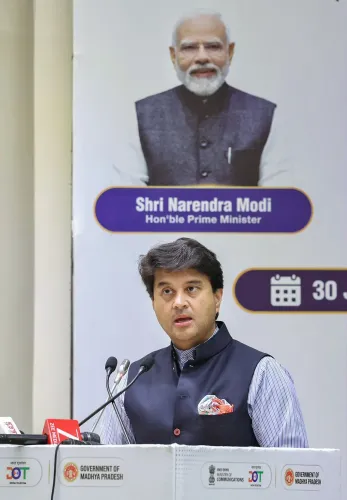
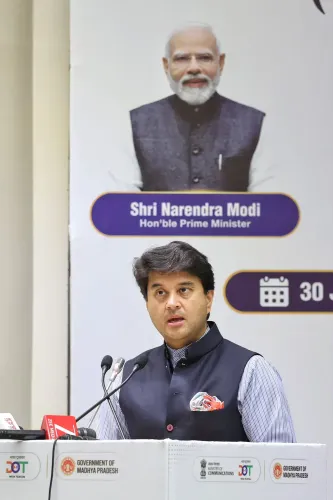
Union Home Minister Amit Shah is expected to attend the groundbreaking event, after accepting an invitation from Scindia, who has been driving the initiative for more than two years.
How the Zone Will Function
According to officials, the project is designed on a plug-and-play model, similar in concept to a Special Economic Zone (SEZ), allowing companies to commence operations quickly using ready infrastructure and shared facilities. The zone will support manufacturing of telecom equipment and components, while also building capabilities in optical fibre, semiconductors, 5G, and emerging 6G technologies.
This approach is intended to lower the entry barrier for both domestic manufacturers and global technology firms looking to set up production in India.
Strategic Importance for India
The initiative is expected to play a pivotal role in reducing India's dependence on imported telecom equipment and strengthening the country's position in global technology and manufacturing value chains. This comes amid a broader national push to indigenise critical technology infrastructure — a priority that has gained urgency as geopolitical tensions affect global supply chains.
Notably, India currently imports a significant share of its telecom hardware, making a dedicated manufacturing cluster strategically significant for both security and economic self-reliance.
Investor Momentum and Roadshows
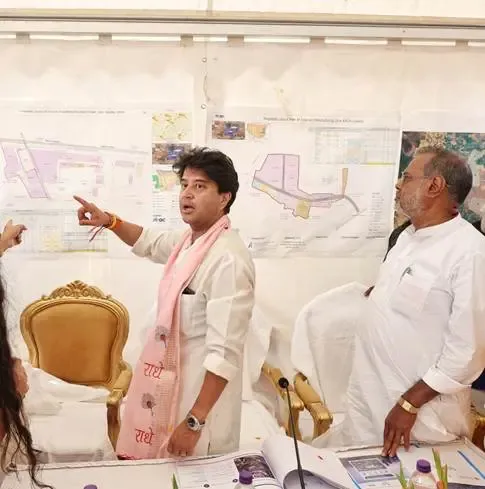
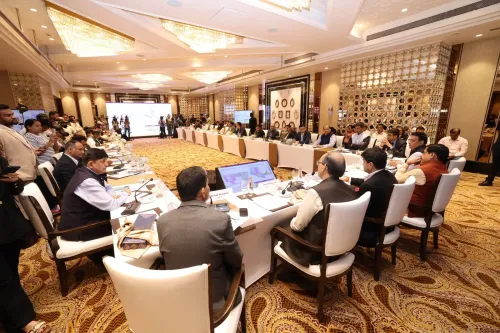
Investor interest has grown steadily over recent months. Following an MoU signed in July 2026 between the Department of Telecommunications and the Madhya Pradesh government, a series of investor roadshows were conducted in Delhi, Mumbai, and Bengaluru. Scindia has been closely overseeing the project through regular reviews with officials from the Department of Telecommunications and the Madhya Pradesh government, focusing on securing land, developing infrastructure, and attracting investment.
During a recent site inspection, Scindia said the project was envisioned as 'more than just an industrial estate' and would create a 'comprehensive telecom manufacturing ecosystem.'
What Comes Next
With the groundbreaking set for 29 October 2026 and senior Union ministers expected to attend, the TMZ is poised to move from planning to execution. How quickly companies operationalise within the zone — and whether the ₹5,500 crore in proposals converts to confirmed investment — will be the next key milestone to watch.
Point of View
Yet its success depends entirely on whether the shared infrastructure actually gets built on schedule and whether the ₹5,500 crore in proposals converts to signed, disbursed commitments. The political optics are strong — Scindia's home turf, Amit Shah at the inauguration — but that visibility cuts both ways: accountability will be high if the zone stalls. The bigger strategic question is whether a single-city cluster can meaningfully shift India's import dependency on telecom hardware, or whether it needs to be one node in a networked national manufacturing strategy.
NationPress
6 Oct 2026
Frequently Asked Questions
What is the Gwalior Telecom Manufacturing Zone?
The Gwalior Telecom Manufacturing Zone (TMZ) is Asia's first dedicated telecom manufacturing cluster, to be established at Shrimant Madhavrao Scindia Counter Magnet City (SADA) in Gwalior, Madhya Pradesh. It will function on a plug-and-play model, hosting over 24 companies covering telecom equipment, semiconductors, optical fibre, and 5G and 6G technologies.
When is the groundbreaking ceremony for the Gwalior TMZ?
The groundbreaking ceremony is scheduled for 29 October 2026. Union Home Minister Amit Shah is expected to attend, alongside Union Communications Minister Jyotiraditya Scindia, who has been driving the project for over two years.
How much investment has the Gwalior TMZ attracted?
The zone has already attracted investment proposals exceeding ₹5,500 crore, according to officials. A series of investor roadshows in Delhi, Mumbai, and Bengaluru followed an MoU signed in July 2026 between the Department of Telecommunications and the Madhya Pradesh government.
How many jobs is the Gwalior Telecom Manufacturing Zone expected to create?
The TMZ is expected to generate over 18,000 jobs. The zone aims to build an integrated ecosystem covering manufacturing, research and development, testing, and innovation in telecom technologies.
Why does India need a dedicated Telecom Manufacturing Zone?
India currently imports a significant share of its telecom hardware, creating both economic and strategic vulnerabilities. The TMZ is designed to reduce this import dependence and strengthen India's position in global telecom and technology value chains, particularly as 5G rollout accelerates and 6G development begins globally.