Gwalior Telecom Manufacturing Zone draws ₹5,500 crore in commitments
Synopsis
India's first Telecom Manufacturing Zone in Gwalior has pulled in ₹5,500 crore in commitments across just two investor meetings — half the ₹10,000 crore target — with an SPV jointly run by the Centre and Madhya Pradesh set to drive execution. The zone's integrated value-chain model, covering semiconductors to optical fibre, signals a serious bet on making India a telecom-equipment exporter, not just a consumer.
Key Takeaways
India's first Telecom Manufacturing Zone (TMZ) in Gwalior, Madhya Pradesh has secured ₹5,500 crore in investment commitments across two investor meetings. ₹3,500 crore was committed at a New Delhi roundtable last week; a further ₹2,000 crore was pledged at a Mumbai meeting on 4 August .
The zone targets total investments of over ₹10,000 crore and is projected to create more than 18,000 jobs .
A Special Purpose Vehicle comprising DoT and the Madhya Pradesh government will jointly oversee and implement the project.
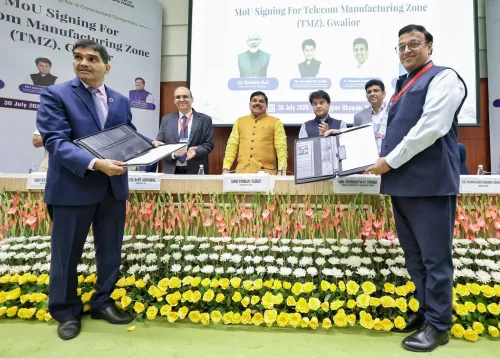
The project follows an MoU signed between DoT and Madhya Pradesh on 30 July for an integrated telecom manufacturing ecosystem in Gwalior.
The TMZ will cover the full telecom value chain: R&D , semiconductors, optical fibre, testing, and equipment manufacturing.
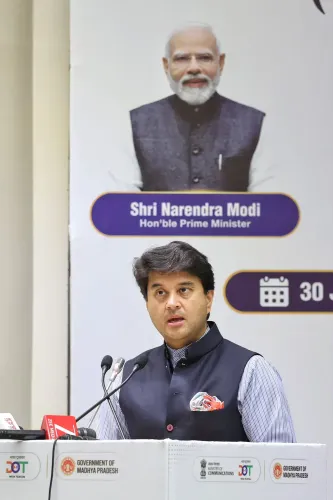
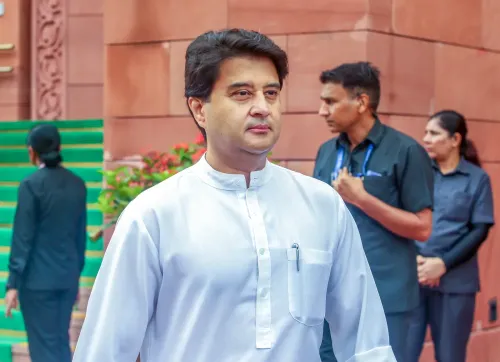
India's first Telecom Manufacturing Zone (TMZ), proposed in Gwalior, Madhya Pradesh, has secured investment commitments totalling ₹5,500 crore through two investors' meetings held over the past week, Union Communications Minister Jyotiraditya Scindia announced on 4 August. The zone, targeting a total investment of over ₹10,000 crore, is projected to generate more than 18,000 employment opportunities.
How the Commitments Came Together
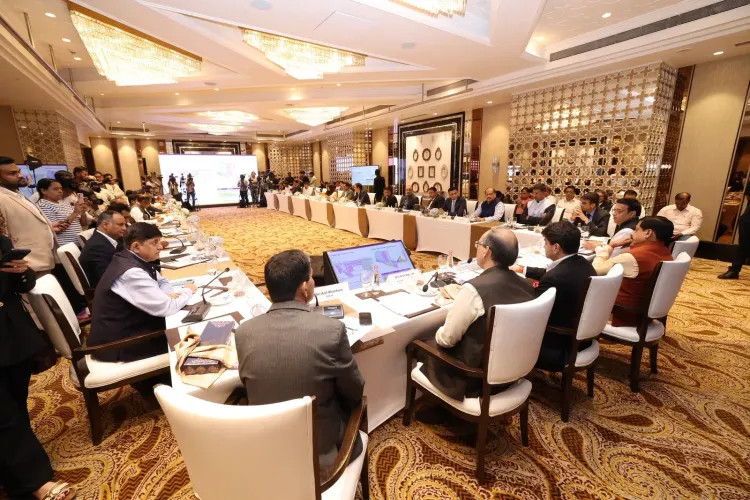
The latest tranche of approximately ₹2,000 crore was secured at an investors' meeting in Mumbai, jointly chaired by Scindia and Madhya Pradesh Chief Minister Mohan Yadav, and attended by nearly 18 companies from the telecom manufacturing ecosystem. This followed an inaugural roundtable in New Delhi last week that had already drawn commitments worth ₹3,500 crore, bringing the cumulative total to ₹5,500 crore.
What the Zone Will Cover
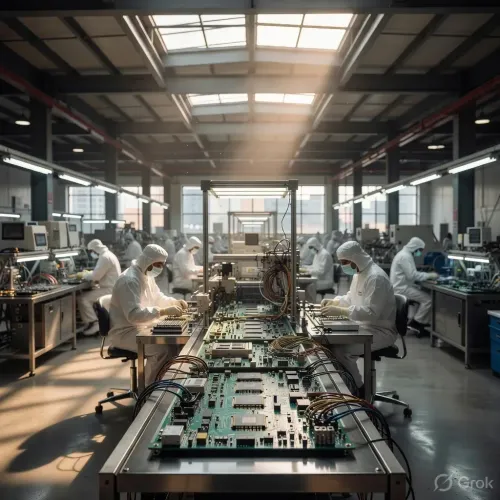
The TMZ is conceived as a fully integrated manufacturing hub for telecom products and equipment. According to Scindia, it will encompass the entire telecom value chain — including research and development, design, testing, semiconductors, optical fibre, telecom equipment, and allied industries — all supported by shared infrastructure.
A Special Purpose Vehicle (SPV) comprising the Department of Telecommunications (DoT) and the Madhya Pradesh government will jointly oversee the project and coordinate investment facilitation. The project was formally initiated after DoT and the state government signed a memorandum of understanding (MoU) on 30 July for establishing an integrated manufacturing ecosystem in Gwalior.
What the Government Said
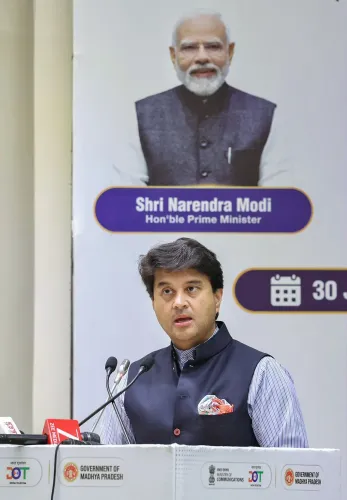
Scindia said India was entering a new phase of telecom growth, pivoting from services to manufacturing. “India has evolved from a nation driven by telecom services into one preparing to become a global leader in telecom products and manufacturing,” he said. He added that the country now aims to increase domestic value addition, build intellectual property, and export telecom products under the 'Make in India, Make for the World' vision.
Chief Minister Yadav said the state would extend full support to investors through industry-friendly policies, land availability, capital assistance, logistics support, and skill development initiatives. “The Telecom Manufacturing Zone will establish Madhya Pradesh as a major destination for telecom manufacturing, while contributing to India's goal of becoming a global manufacturing hub,” Yadav said.
Why This Matters
India has historically been a large importer of telecom equipment, leaving its network infrastructure exposed to supply-chain vulnerabilities. The Gwalior TMZ represents a deliberate policy shift — using dedicated zone infrastructure and a unified SPV model to attract manufacturers who might otherwise set up fragmented operations. This comes amid a broader push by the Centre to indigenise critical technology sectors, from semiconductors to 5G equipment, as geopolitical pressures reshape global supply chains.
With commitments now at ₹5,500 crore and the target set at over ₹10,000 crore, the zone still has significant ground to cover before it reaches its investment goal. Further investors' meetings are expected as the project moves toward implementation.
Point of View
And the Gwalior TMZ is the most structured attempt yet to address it — combining a dedicated zone, a joint Centre-state SPV, and an integrated value-chain mandate. But ₹5,500 crore in commitments is still only half the stated target, and India's history with manufacturing zones is littered with announced investments that never fully materialised. The real measure will be ground-breaking timelines and actual production capacity, not investor-meet tallies. Scindia's personal political stake in Gwalior adds a dimension worth watching: strong execution here would be a regional legacy; a stall would be a visible failure in his own backyard.
NationPress
19 Sept 2026
Frequently Asked Questions
What is the Gwalior Telecom Manufacturing Zone?
The Gwalior Telecom Manufacturing Zone (TMZ) is India's first dedicated manufacturing hub for telecom products and equipment, being developed in Gwalior, Madhya Pradesh. It is a joint initiative of the Department of Telecommunications and the Madhya Pradesh government, targeting investments of over ₹10,000 crore and more than 18,000 jobs.
How much investment has the Gwalior TMZ attracted so far?
The zone has secured ₹5,500 crore in investment commitments through two investor meetings — ₹3,500 crore from a New Delhi roundtable and ₹2,000 crore from a Mumbai meeting held on 4 August. The total investment target for the project is over ₹10,000 crore.
Who is overseeing the Telecom Manufacturing Zone project?
A Special Purpose Vehicle (SPV) comprising the Department of Telecommunications (DoT) and the Madhya Pradesh government will jointly oversee the project. The initiative follows an MoU signed between the two on 30 July.
What sectors and industries will the TMZ cover?
The TMZ is designed to integrate the full telecom value chain, including research and development, design, testing, semiconductors, optical fibre, telecom equipment, and allied industries, all supported by common infrastructure.
How many jobs is the Gwalior TMZ expected to create?
The project is expected to generate more than 18,000 employment opportunities once fully operational, according to Union Communications Minister Jyotiraditya Scindia.